
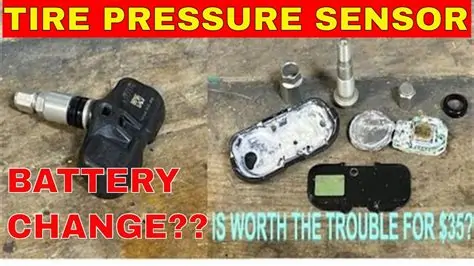
Learn about TPMS sensors, their signs of failure, diagnostic tools, testing methods, and how to replace a faulty sensor for optimal vehicle safety.Understanding the importance of your vehicle’s Tire Pressure Monitoring System (TPMS) is essential for safe driving. A malfunctioning TPMS sensor can lead to inaccurate tire pressure readings, increasing the risk of tire blowouts and impacting fuel efficiency. But how do you determine if a TPMS sensor is faulty? In this blog post, we will explore various aspects of TPMS, starting with a brief overview of what these sensors do and why they matter. We’ll also highlight the signs that indicate a bad TPMS sensor, introduce the diagnostic tools you can use for assessment, and walk you through the process of testing and eventually replacing a faulty sensor. By the end of this guide, you’ll be equipped with the knowledge to maintain your tire health effectively and ensure a smoother, safer ride.
What is TPMS Sensor?
The Tire Pressure Monitoring System (TPMS) sensor is a critical component in modern vehicles designed to monitor the air pressure inside the tires. This system helps ensure that tires are properly inflated, which is essential for safe driving and optimal fuel efficiency.
Each TPMS sensor is usually located either within the tire itself (as a direct TPMS) or is part of the vehicle’s anti-lock braking system (as an indirect TPMS). These sensors continuously check tire pressure and relay the information to the vehicle’s onboard computer. If the pressure falls below the recommended level, the system will trigger the TPMS warning light on the dashboard.
Types of TPMS Sensors
- Direct TPMS Sensors: These are mounted on the valve stems of each tire and send real-time tire pressure data to the vehicle’s computer.
- Indirect TPMS Sensors: These do not measure tire pressure directly. Instead, they determine tire pressure through wheel speed sensors that monitor the rotational speed of each tire.
Understanding the TPMS and its functionality is vital for vehicle maintenance. A well-functioning TPMS ensures not only safety but also prolongs the life of tires by helping drivers maintain optimal inflation levels.
“Proper tire maintenance begins with understanding the importance of the TPMS sensor in your vehicle.”
Signs of a Bad TPMS Sensor
The Tire Pressure Monitoring System (TPMS) is an essential feature in modern vehicles that helps ensure optimal tire pressure for safety and fuel efficiency. However, like any component, TPMS sensors can fail. Recognizing the signs of a bad TPMS sensor can save you from potential accidents and costly repairs. Here are some common indicators that your TPMS sensor might be malfunctioning:
- Warning Light on Dashboard: The most apparent sign of a faulty TPMS sensor is the illuminated warning light on your dashboard. This light usually looks like a tire with an exclamation point inside it.
- Inconsistent Tire Pressure Readings: If your TPMS shows varying pressure readings that don’t match your manual gauge, it could indicate a malfunctioning sensor.
- Frequent Low Tire Pressure Alerts: If you’re receiving repeated alerts about low tire pressure even after inflating your tires properly, the TPMS sensor may be the issue.
- One or More Sensors Fail to Register: If you notice that one or more tires are not being monitored by the system, there could be a problem with those specific TPMS sensors.
- Delayed or No Response to Pressure Changes: If the system fails to respond to significant pressure changes—either due to under-inflation or over-inflation—it signals sensor failure.
Addressing TPMS sensor issues promptly not only enhances safety but also improves vehicle performance. If you notice any of these signs, it’s advisable to consult a qualified technician to inspect and replace the faulty sensors.
Diagnostic Tools for TPMS
The Tire Pressure Monitoring System (TPMS) plays a crucial role in vehicle safety and efficiency by constantly monitoring the air pressure in your tires. When issues arise, using the right diagnostic tools is essential for identifying the problem. Here’s a look at some of the most effective tools for diagnosing TPMS malfunctions:
| Tool Type | Description | Common Use |
|---|---|---|
| TPMS Scan Tool | Specialized device that reads TPMS codes and live data. | Identify fault codes, reset sensors, and check sensor status. |
| Wheel Torque Wrench | Used for ensuring that the sensor and valve stem are properly tightened. | Calibrate the installation of sensors to prevent future issues. |
| Tire Pressure Gauge | Simple tool for manually checking tire pressure. | Verify tire pressure against TPMS readings. |
| OBD-II Scanner | Diagnostic tool that connects to the vehicle’s OBD-II port. | Access multiple vehicle systems, including TPMS. |
To effectively diagnose a bad TPMS sensor, it’s important to utilize these tools properly. Ensure that you have the latest software updates installed on your scan tools, as TPMS protocols and vehicle databases can change over time.
In addition to hardware tools, utilizing certain software applications can also help in diagnosing TPMS problems. Here are some popular software solutions:
- Techstream: Designed specifically for Toyota and Lexus vehicles, providing detailed diagnostics.
- Autel MaxiTPMS: A comprehensive tool for various makes and models allowing quick scanning and programming.
- Snap-On TPMS Tool: A versatile tool that provides both readings and the ability to reset after repairs.
Always ensure to follow manufacturer guidelines and procedures when using these diagnostic tools. This attention to detail not only helps in accurately diagnosing the TPMS but also enhances the lifespan of the sensors and your vehicle’s overall performance.
Testing TPMS Sensor
Testing a TPMS sensor (Tire Pressure Monitoring System sensor) is crucial for maintaining your vehicle’s safety and performance. These sensors play an important role in monitoring tire pressure and ensuring that your tires are adequately inflated. A malfunctioning TPMS sensor can lead to inaccurate pressure readings and potentially hazardous driving conditions.
Signs You May Need to Test Your TPMS Sensor
- The TPMS warning light on your dashboard is illuminated.
- Your vehicle’s tire pressure readings are inconsistent.
- You hear unusual sounds from the tire area.
Tools Required for Testing TPMS Sensors
To accurately test your TPMS sensors, you will need the following tools:
| Tools | Purpose |
|---|---|
| TPMS Diagnostic Tool | To read and interpret sensor data |
| Tire Pressure Gauge | To check actual tire pressure levels |
| Multimeter | To test the sensor’s electrical connections |
Steps to Test Your TPMS Sensor
- Visual Inspection: Start by visually checking the sensor and tire for any signs of damage, leaks, or wear.
- Use a TPMS Diagnostic Tool: Connect the tool to the vehicle’s OBD-II port and follow the prompts to read TPMS sensor data.
- Check Tire Pressure: Use a tire pressure gauge to ensure that each tire is inflated to the recommended level.
- Test Sensor Battery: If your TPMS uses a battery-powered sensor, use a multimeter to check that it’s still functioning.
- Reset the System: After any repairs or replacements, reset the TPMS system to allow it to recalibrate.
What to Do If a Sensor is Faulty
If you identify a faulty TPMS sensor during testing, you’ll need to replace it. Ignoring a bad sensor can not only affect tire pressure readings but also compromise your safety on the road.
In summary, testing your TPMS sensor involves a comprehensive process of evaluation and troubleshooting. By keeping an eye on your vehicle’s tire pressure system, you can ensure a safer and more efficient driving experience.
Replacing a Faulty TPMS Sensor
A Tire Pressure Monitoring System (TPMS) sensor plays a crucial role in ensuring your vehicle’s safety by monitoring tire pressure in real-time. When a TPMS sensor becomes faulty, it can lead to inaccurate readings, driving safety issues, and even tire damage. Understanding how to replace a faulty TPMS sensor can save you time and money. Here’s a step-by-step guide to help you with the replacement process.
Signs You Need to Replace Your TPMS Sensor
- Dashboard Warning Light: If the TPMS light illuminates on your dashboard, it could indicate a malfunctioning sensor.
- Inconsistent Tire Pressure Readings: If you notice fluctuating tire pressure readings, your sensor may need replacing.
- Corroded Sensor: Physical inspection may reveal rust or damage on the sensor.
Tools Required for Replacement
Before you start the replacement process, gather the following tools:
- Jack and Jack Stands: To lift your vehicle safely.
- Socket Set: For removing the tire and sensor.
- Torque Wrench: To ensure proper tightening of the tire bolts.
- Replacement TPMS Sensor: Make sure it is compatible with your vehicle model.
Steps to Replace a TPMS Sensor
- Lift the Vehicle: Use the jack to lift the vehicle and securely place it on jack stands.
- Remove the Wheel: Using a socket set, remove the lug nuts and take off the wheel to access the TPMS sensor.
- Disconnect the Sensor: Locate the faulty sensor and disconnect it from the valve stem.
- Install the New Sensor: Attach the new sensor to the valve stem. Ensure it is seated properly.
- Reattach the Wheel: Place the wheel back onto the axle and hand-tighten the lug nuts.
- Tighten the Lug Nuts: Use a torque wrench to properly tighten the lug nuts according to your vehicle’s specifications.
- Reset the TPMS: After replacing the sensor, you may need to reset the TPMS system using a TPMS scanner.
Post-Replacement Check
Once the new TPMS sensor is installed, monitor your dashboard for any warning lights. It’s also advisable to check the tire pressure to ensure it reads accurately.
Tip: Regular maintenance of your TPMS can prolong its lifespan and ensure your vehicle’s safety while on the road.
By following these steps, you can successfully replace a faulty TPMS sensor and keep your vehicle running safely and efficiently.
Frequently Asked Questions
What is a TPMS sensor?
A TPMS (Tire Pressure Monitoring System) sensor is a device that monitors the air pressure in your vehicle’s tires and alerts you if the pressure falls below a certain threshold.
How can I tell if a TPMS sensor is bad?
Signs of a bad TPMS sensor include a constant warning light on the dashboard, inaccurate tire pressure readings, or the sensor failing to respond when you inflate your tires.
What tools do I need to diagnose a bad TPMS sensor?
To diagnose a bad TPMS sensor, you may need a TPMS scanner or diagnostic tool, along with a pressure gauge to manually check tire pressures.
Can a bad TPMS sensor affect my vehicle’s performance?
Yes, a bad TPMS sensor can lead to under-inflated tires, which affects handling, fuel efficiency, and safety.
How do I replace a faulty TPMS sensor?
Replacing a faulty TPMS sensor typically involves removing the tire from the wheel, replacing the sensor, and then reinstalling the tire. It’s always best to consult a professional mechanic.
Are there any maintenance tips for TPMS sensors?
To maintain TPMS sensors, ensure regular tire pressure checks, replace batteries as needed, and seek professional help if you experience any issues.
Is it necessary to reprogram TPMS sensors after replacement?
Yes, after replacing a TPMS sensor, it usually needs to be reprogrammed to communicate with the vehicle’s onboard computer.