
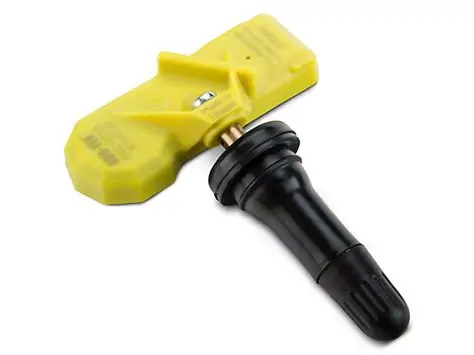
Explore the essentials of TPMS sensors for Ford Mustang, their importance, common issues, replacement tips, and the best options available.If you own a Ford Mustang, understanding the intricacies of your vehicle’s Tire Pressure Monitoring System (TPMS) is essential for optimal performance and safety. TPMS sensors play a crucial role in detecting tire pressure levels, alerting you to any irregularities that could lead to decreased handling or increased wear and tear. In this blog post, we’ll delve into the significance of TPMS in your Mustang, explore common issues that may arise, and provide guidance on how to replace these sensors effectively. Additionally, we’ll recommend some of the best TPMS sensors available to ensure your Mustang maintains its high-performance standards. Whether you’re a seasoned Mustang enthusiast or a new owner, this guide will equip you with the knowledge to keep your ride running smoothly.
Understanding TPMS Sensors
The Tire Pressure Monitoring System (TPMS) is an essential component in modern vehicles, designed to monitor the air pressure in your tires. Understanding how TPMS sensors work is crucial for maintaining not just your vehicle’s performance but also your safety on the road.
What are TPMS Sensors?
TPMS sensors are small devices installed in each tire, responsible for measuring the tire’s air pressure. There are two main types of TPMS:
- Direct TPMS: These sensors provide real-time tire pressure readings by using pressure sensors installed directly on the tire valve. When tire pressure drops below the recommended level, the system triggers a warning light on your dashboard.
- Indirect TPMS: This system does not use physical sensors in the tires. Instead, it relies on the vehicle’s ABS (Anti-lock Braking System) to measure wheel speed. It infers tire pressure from changes in wheel rotation speed.
How Do TPMS Sensors Work?
TPMS sensors continually monitor tire pressure and communicate this data to the vehicle’s onboard computer. The system typically functions as follows:
- The sensor detects the tire pressure and sends the information wirelessly to the vehicle’s computer.
- If the tire pressure falls below a certain threshold, the computer triggers a dashboard warning light.
- The driver can then take appropriate action, such as checking the tire pressure and refilling it if necessary.
Importance of TPMS
Proper tire pressure contributes to vehicle safety, fuel efficiency, and tire longevity. Here are a few key reasons why TPMS is crucial:
Maintaining the recommended tire pressure can improve fuel efficiency by up to 3%. – Automobile Association
- Safety: Under-inflated tires can lead to tire blowouts, loss of control, and increased stopping distances.
- Performance: Properly inflated tires ensure better handling, traction, and overall vehicle performance.
- Fuel Efficiency: Correct tire pressure helps improve fuel consumption and reduces emissions.
In conclusion, understanding TPMS sensors and their importance can significantly contribute to the overall ownership experience of your Ford Mustang. Regular checks and timely maintenance of the TPMS system can ensure that you are always in control and safe on the road.
Importance of TPMS in Ford Mustang
The Tire Pressure Monitoring System (TPMS) is an essential component in modern vehicles, especially in performance cars like the Ford Mustang. While the thrill of driving a Mustang is undeniable, maintaining optimal tire performance is equally important for safety, efficiency, and overall vehicle performance. Below, we delve into the significance of TPMS in your Ford Mustang:
- Enhanced Safety: The primary function of TPMS is to warn drivers of low tire pressure. Under-inflated tires can lead to reduced traction and increased stopping distances, significantly increasing the risk of accidents.
- Improved Fuel Efficiency: Properly inflated tires enhance fuel efficiency. A well-maintained TPMS helps you monitor and maintain the right tire pressure, which can lead to better gas mileage.
- Increased Tire Lifespan: Driving on under-inflated tires causes uneven wear patterns. By utilizing the TPMS, Mustang owners can ensure their tires last longer, saving money on replacements.
- Optimal Performance: The Ford Mustang is known for its speed and handling. Maintaining the correct tire pressure is crucial for optimal performance, ensuring that the car handles as designed.
- Regulatory Compliance: Many regions require vehicles to be equipped with a functional TPMS. Ensuring that your system is operational means compliance with local regulations.
A well-functioning TPMS is not just a convenience; it’s a necessity for any serious Ford Mustang enthusiast. – Ford Mustang Owner’s Guide
In conclusion, the importance of TPMS in a Ford Mustang cannot be overstated. It plays a critical role in maintaining safety, enhancing performance, and ensuring the longevity of your tires. Regular checks and
Common TPMS Sensor Issues
Tire Pressure Monitoring System (TPMS) sensors are essential for maintaining optimal tire pressure and ensuring the safety and performance of your Ford Mustang. However, like any automotive component, they can encounter problems over time. Below are some of the most common TPMS sensor issues that Mustang owners might face:
- Low Battery Voltage: TPMS sensors are battery-operated, and over time, the battery can lose its charge, leading to incorrect readings or a complete failure of the sensor.
- Faulty Sensor: Sensors can wear out or malfunction due to age, environmental factors, or physical damage from road debris.
- Incorrect Installation: If TPMS sensors are not installed correctly, they can fail to communicate with the vehicle’s central computer, resulting in warning lights on the dashboard.
- Communication Issues: Interference from other electronic devices or systems in the vehicle can disrupt the signal between the TPMS sensors and the vehicle’s onboard computer.
- Outdated Calibration: After a tire rotation, change, or replacement of tires, it’s important to recalibrate the TPMS. Failing to do so may cause the sensors to provide inaccurate readings.
Maintaining your Ford Mustang‘s TPMS is crucial for safety. If you experience any issues, it’s recommended to consult a professional for diagnosis and repair.
A properly functioning TPMS can not only enhance safety but also improve fuel efficiency by ensuring your tires are always at the correct pressure. – Ford Mustang Enthusiast Magazine
Replacing TPMS Sensors in Ford Mustang
Replacing the TPMS sensors in your Ford Mustang is essential to ensure the effective monitoring of your tire pressure. The Tire Pressure Monitoring System (TPMS) plays a critical role in vehicle safety and fuel efficiency by alerting you to any under-inflated tires. If you notice the warning light on your dashboard, it may be time for a replacement. Here’s a guide on how to replace them.
Tools You Will Need
- Jack and Jack Stands
- Tire Pressure Gauge
- Socket Set
- TPMS Tool
Step-by-Step Guide to Replacing TPMS Sensors
- Prepare Your Vehicle: Park your Ford Mustang on a flat surface and ensure you have all your tools ready.
- Lift the Vehicle: Use the jack to lift your Mustang and secure it with jack stands.
- Remove the Wheels: Using a socket set, carefully loosen and remove the lug nuts, then take off the wheels.
- Access the TPMS Sensor: Locate the TPMS sensor attached to the inner side of the tire. It is typically mounted on the valve stem.
- Remove the Old Sensor: Disconnect the sensor by unscrewing it from the valve stem and detaching any wiring if applicable.
- Install the New TPMS Sensor: Insert the new sensor into the valve stem and tighten it securely.
- Reinstall Wheels: Put the wheels back on, securing them with the lug nuts. Ensure they are tightened to the recommended torque specifications.
- Reset the TPMS: Some vehicles may require a manual reset of the TPMS. Use a TPMS tool to reset the system as per the manufacturer’s instructions.
After Replacement Tips
After you’ve replaced the TPMS sensors, here are a few tips to keep in mind:
- Regularly check your tire pressure.
- Ensure the sensors are within the temperature range specified by the manufacturer.
- If the warning light persists, consult a professional to diagnose any potential issues.
Replacing the TPMS sensors in your Ford Mustang is a straightforward process that can significantly contribute to your driving safety. Always refer to your vehicle’s manual for specific details regarding your TPMS setup.
Best TPMS Sensors for Ford Mustang
When it comes to maintaining your Ford Mustang’s performance and safety, having a reliable Tire Pressure Monitoring System (TPMS) is crucial. Choosing the right TPMS sensors can enhance the driving experience and ensure optimal tire performance. Below is a list of some of the best TPMS sensors for Ford Mustang that you should consider:
| Brand | Model | Frequency | Special Features |
|---|---|---|---|
| Motorcraft | TPMS Sensor | 315 MHz | OEM quality, easy installation |
| Schrader | TPMS Sensor | 315 MHz | Relearn-free technology, durable |
| VDO | TPMS Sensor | 315 MHz | Universal compatibility, reliable performance |
| ATEQ | TPMS Tool | N/A | Sensor programming and activation |
When selecting a TPMS sensor for your Ford Mustang, consider factors such as compatibility, frequency, and special features. Additionally, ensure that any TPMS sensors you purchase comply with the required standards for safety and efficiency.
Here are a few things to keep in mind while choosing TPMS sensors:
- Compatibility: Make sure that the TPMS sensor is compatible with your specific Ford Mustang model.
- Battery Life: Look for sensors that have a long-lasting battery to avoid frequent replacements.
- Ease of Installation: Some TPMS sensors are designed for easy installation, which can save you time and effort.
- Brand Reputation: Stick to reputable brands known for their quality and reliability.
Investing in quality TPMS sensors is essential for maintaining the safety and performance of your Ford Mustang.
Overall, the right TPMS sensors for your Ford Mustang can make a significant difference in your driving experience and peace of mind. Choose wisely, and enjoy the ride!
Frequently Asked Questions
What is a TPMS sensor in the context of a Ford Mustang?
A TPMS (Tire Pressure Monitoring System) sensor is a device that monitors the air pressure in the tires of a Ford Mustang. It alerts the driver if tire pressure is too low or too high, promoting safe driving.
How do I know if my Ford Mustang’s TPMS sensor is malfunctioning?
Signs of a malfunctioning TPMS sensor include a constant warning light on the dashboard, irregular tire pressure readings, or no readings at all. If you experience these symptoms, it’s best to have the system checked.
Can I reset the TPMS sensor on my Ford Mustang myself?
Yes, you can reset the TPMS sensor on your Ford Mustang yourself by following specific steps such as ensuring all tires are inflated to the correct pressure and using the reset button usually located under the steering wheel or in the glove compartment.
What happens if I ignore a faulty TPMS sensor in my Ford Mustang?
Ignoring a faulty TPMS sensor can lead to serious issues, such as driving on under-inflated tires, which can cause decreased fuel efficiency, poor handling, and increased tire wear, ultimately compromising safety.
How often should I replace my Ford Mustang’s TPMS sensors?
TPMS sensors generally last for several years, but it’s a good idea to check them during regular tire rotations. They should be replaced if they no longer provide accurate readings or if the battery within the sensor is depleted.
Where can I find the TPMS sensor on my Ford Mustang?
The TPMS sensor is usually located inside the tire, attached to the valve stem. To access it, you would need to remove the tire from the rim.
What is the cost of replacing a Ford Mustang’s TPMS sensor?
The cost of replacing a TPMS sensor for a Ford Mustang can vary, but it typically ranges from $50 to $150 per sensor, depending on the model year and where you have it done.