
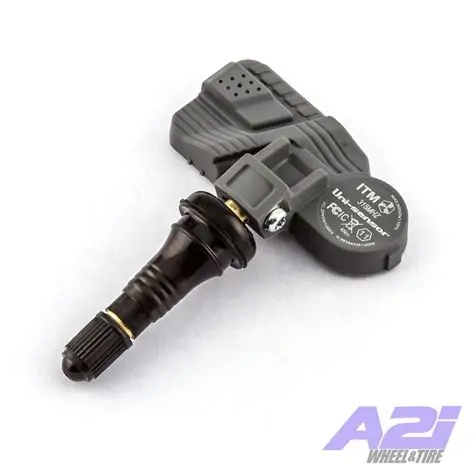
Discover the importance of TPMS sensors, how they work, how to replace them, and tips for choosing the right sensors for your vehicle.Welcome to our comprehensive guide on Chevy TPMS sensors! If you’re a Chevy owner, understanding your vehicle’s Tire Pressure Monitoring System (TPMS) is crucial for maintaining optimal performance and safety. TPMS sensors play a vital role in providing real-time information about your tire pressure, helping prevent potential blowouts and enhancing fuel efficiency. In this post, we’ll explore what TPMS sensors are and their significance in modern vehicles, how they function to keep you informed, and when it’s time to replace them. Additionally, we’ll provide tips on choosing the right TPMS sensors for your Chevy, ensuring you make informed decisions for your vehicle’s maintenance. Whether you’re a DIY enthusiast or simply looking to enhance your knowledge, this guide has you covered!
What are TPMS sensors?
TPMS stands for Tire Pressure Monitoring System, which refers to a technology designed to monitor the air pressure in vehicle tires. Proper tire pressure is critical for vehicle safety, fuel efficiency, and overall performance. TPMS sensors play a vital role in ensuring that a driver is informed about tire conditions, helping prevent potential accidents and tire blowouts caused by under-inflation or over-inflation.
There are two primary types of TPMS sensors available in modern vehicles:
- Direct TPMS: This type uses sensors mounted directly on each tire to measure tire pressure in real-time. If the pressure in any tire drops below a predefined threshold, the system alerts the driver through a warning light on the dashboard.
- Indirect TPMS: Instead of using physical sensors, this system relies on the vehicle’s ABS (Anti-lock Braking System) wheel speed sensors to estimate tire pressure. If one tire has lower pressure, it will rotate at a different speed compared to the others, prompting a warning.
Typically, TPMS sensors are embedded within the tire valve, making them challenging to see at a glance. However, they are integral to maintaining tire safety.
Understanding what TPMS sensors are and how they function is essential not only for vehicle maintenance but also for enhancing road safety and optimizing vehicle performance. By staying informed, drivers can ensure that their tires are properly inflated and reduce the risk of accidents related to tire failure.
Importance of TPMS sensors
Tire Pressure Monitoring System (TPMS) sensors play a crucial role in vehicle safety and performance. These sensors continuously monitor the air pressure within tires and alert the driver when the pressure falls below the recommended levels. Understanding the importance of TPMS sensors can help vehicle owners appreciate their significance in automotive safety and efficiency.
Enhanced Safety
One of the primary functions of TPMS sensors is to enhance driver safety. By alerting drivers to low tire pressure, these sensors help prevent potential tire blowouts, loss of vehicle control, and accidents. Proper tire pressure is critical not only for vehicle stability but also for optimal braking performance.
Fuel Efficiency
Maintaining the correct tire pressure as indicated by TPMS sensors can also lead to improved fuel efficiency. Under-inflated tires create more rolling resistance, leading to increased fuel consumption. According to various studies, properly inflated tires can enhance fuel economy by as much as 3% to 5%.
Prolonged Tire Life
Correctly monitored and maintained tire pressure can significantly extend the life of your tires. When tires are consistently under or over-inflated, they wear unevenly, leading to increased tread wear and the need for premature replacement. With the help of TPMS sensors, vehicle owners can ensure their tires are always in optimal condition.
Environmental Impact
By promoting better fuel efficiency and longer tire life, TPMS sensors contribute to a lower environmental impact. Vehicles that operate more efficiently produce fewer emissions, helping reduce the carbon footprint associated with transportation.
Cost Savings
Investing in maintaining your TPMS sensors can lead to significant cost savings over time. With fewer tire replacements, lower fuel costs, and reduced repair bills from accidents caused by improper tire pressure, the benefits of having a well-functioning TPMS far outweigh the initial expense.
Conclusion
In summary, the importance of TPMS sensors cannot be overstated. They are a vital component of modern vehicles that assist in ensuring safety, optimizing fuel consumption, prolonging tire life, minimizing environmental impacts, and saving money for vehicle owners.
How do TPMS sensors work?
Tire Pressure Monitoring System (TPMS) sensors are essential components in modern vehicles, enhancing safety and efficiency on the road. Understanding how these sensors function is critical for drivers aiming to maintain their vehicle’s performance.
TPMS sensors continuously monitor the tire pressure of each wheel. Here’s how they operate:
- Pressure Detection: Each TPMS sensor is equipped with a pressure gauge that measures the air pressure inside the tire. This data is crucial for ensuring that tires are inflated to the manufacturer’s recommended levels.
- Signal Transmission: In most vehicles, the TPMS sensors are designed to transmit data wirelessly to the vehicle’s central control unit. Each sensor sends signals at regular intervals, allowing the vehicle’s computer to monitor the tire pressure in real-time.
- Warnings and Alerts: If the tire pressure drops below the recommended threshold, the TPMS will trigger a warning light on the dashboard. This alert prompts the driver to check the tire pressure, potentially preventing tire blowouts and improving fuel efficiency.
- Battery and Lifespan: TPMS sensors are usually powered by a small battery. The lifespan of these batteries can vary, typically lasting anywhere from 5 to 10 years, depending on usage and environmental factors.
In some vehicles, a direct TPMS is used, which features sensors mounted on the wheels, while others may employ an indirect TPMS that uses data from the anti-lock braking system (ABS) to monitor tire rotation. Understanding this difference can affect maintenance decisions and repairs.
In conclusion, knowing how TPMS sensors work helps automotive enthusiasts and everyday drivers grasp the importance of regular tire maintenance and the necessity of addressing any alerts promptly.
Replacing TPMS sensors
Replacing TPMS sensors is a crucial aspect of maintaining your vehicle’s tire health and ensuring safety on the road. Tire Pressure Monitoring System (TPMS) sensors play an integral role in monitoring tire pressures and alerting you to any potential issues. Over time, these sensors can become faulty or fail due to wear and tear, battery depletion, or damage. Here’s a detailed overview on how to effectively replace your TPMS sensors.
When to Replace TPMS Sensors
It’s essential to recognize the signs that indicate it’s time to replace your TPMS sensors. Common indicators include:
- TPMS warning light illuminated on your dashboard
- Frequent tire pressure alerts despite proper inflation
- Physical damage to the sensor or valve stem
- Age of the sensor; many manufacturers recommend replacing them every 5-7 years
Steps to Replace TPMS Sensors
Here’s a step-by-step guide to help you through the replacement process:
- Gather Necessary Tools: You will need a tire pressure gauge, a jack, a socket set, and new TPMS sensors.
- Lift the Vehicle: Use a jack to safely raise the vehicle off the ground and secure it with jack stands.
- Remove the Tire: Loosen the lug nuts and take off the tire to access the TPMS sensor.
- Disconnect the Old Sensor: Locate the TPMS sensor, which is usually attached to the valve stem, and carefully disconnect it.
- Install the New Sensor: Attach the new TPMS sensor to the valve stem and ensure it is secure.
- Reattach the Tire: Place the tire back on the wheel hub and hand-tighten the lug nuts.
- Lower the Vehicle: Carefully lower your vehicle back to the ground.
- Test the New Sensors: Turn on the ignition and use a TPMS scan tool to ensure that the new sensors are functioning correctly.
Calibration After Replacement
After replacing your TPMS sensors, you may need to calibrate them. Calibration procedures can vary based on your vehicle’s make and model but often involve:
- Driving the vehicle for a set distance
- Performing a reset via the TPMS button (if available)
- Using a TPMS tool to sync the new sensors with your vehicle’s system
“Proper maintenance and timely replacement of TPMS sensors can prevent blowouts and ensure the safety of all passengers.”
In summary, replacing TPMS sensors isn’t just a maintenance task; it’s a vital part of ensuring your vehicle’s safety. If you’re ever in doubt, it’s wise to enlist the help of a qualified mechanic to take care of the replacement.
Choosing the right TPMS sensors
When it comes to your Chevy, ensuring that your vehicle is equipped with the appropriate TPMS sensors is essential for safety and performance. With various options available, it is crucial to understand what factors to consider when selecting the right sensors for your vehicle. Here are some key points to guide you:
Types of TPMS Sensors
There are two main types of TPMS sensors:
- Direct TPMS: These sensors measure the actual tire pressure and provide real-time data to the vehicle’s onboard computer.
- Indirect TPMS: These sensors do not measure tire pressure directly but use the wheel speed data from the ABS system to estimate tire pressure indirectly.
Compatibility with Your Chevy
Before purchasing TPMS sensors, it is essential to ensure that they are compatible with your specific model of Chevy. Different models may require different sensors, so always refer to the owner’s manual or consult a professional mechanic.
OEM vs Aftermarket Sensors
You can choose between original equipment manufacturer (OEM) TPMS sensors and aftermarket options:
| Feature | OEM Sensors | Aftermarket Sensors |
|---|---|---|
| Quality | High-quality, manufacturer-approved | Variable quality based on brand |
| Cost | More expensive | Generally cheaper |
| Warranty | Often includes a warranty | Warranty varies by manufacturer |
Sensor Frequency
TPMS sensors operate at different frequencies (315 MHz or 433 MHz). Make sure to select sensors that meet the frequency requirements for your Chevy to ensure proper communication with your vehicle’s system.
Battery Life
Most TPMS sensors are powered by batteries that have a limited lifespan. Consider the battery life of the sensors you are considering, as replacing them can add to your maintenance costs.
Ease of Installation
Choose TPMS sensors that are easy to install. Some sensors may require specific tools or professional installation, while others can be more user-friendly.
Brand Reputation
It is always advisable to go for brands that have a good reputation in the market. Reading reviews and checking ratings can help you gauge the reliability of the product.
By considering these factors when choosing TPMS sensors for your Chevy, you can enhance the safety, performance, and longevity of your vehicle’s tire monitoring system.
Frequently Asked Questions
What are TPMS sensors in a Chevy vehicle?
TPMS sensors, or Tire Pressure Monitoring System sensors, are devices installed in Chevy vehicles to monitor the air pressure inside the tires. They alert the driver if the tire pressure is too low or if there’s a significant change in pressure.
How do TPMS sensors work?
TPMS sensors work by using pressure sensors within each tire, which transmit pressure data to the vehicle’s onboard computer. If the pressure drops below a specified threshold, a warning light appears on the dashboard.
Why is it important to maintain TPMS sensors?
Maintaining TPMS sensors is crucial because they help ensure proper tire pressure, which is vital for safe driving, better fuel efficiency, and prolonged tire life.
How can I tell if my Chevy’s TPMS sensors are malfunctioning?
Signs of malfunctioning TPMS sensors include persistent warning lights on the dashboard, inaccurate tire pressure readings, or if the system fails to alert you of low tire pressure.
Can I replace TPMS sensors myself in a Chevy?
While it’s possible to replace TPMS sensors yourself, it requires specialized tools and knowledge. Many vehicle owners prefer to have this done at a dealership or a professional tire shop for proper installation and calibration.
What should I do if my Chevy TPMS light is on?
If your TPMS light is on, first check the tire pressure in all tires to ensure they are inflated to the recommended levels. If the pressure is fine and the light remains on, consult your vehicle’s manual or a professional mechanic.
How often should TPMS sensors be checked or replaced?
TPMS sensors should be checked regularly during routine maintenance, and they typically have a lifespan of 5-10 years. If you’re experiencing issues or the battery within the sensor dies, they may need to be replaced.