
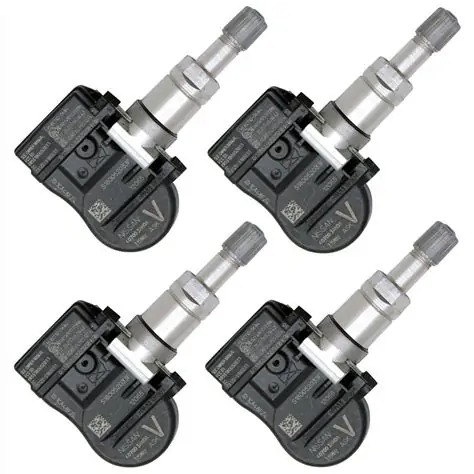
Discover the essential guide to TPMS sensors: their importance, types, functioning, and maintenance tips for optimal performance and safety on the road.The Nissan 350Z, a beloved sports car known for its performance and style, also features advanced technology to ensure a smooth driving experience. One such innovation is the Tire Pressure Monitoring System (TPMS) sensors, which play a critical role in vehicle safety. In this blog post, we will delve into the world of TPMS sensors, exploring what they are, why they are vital for your 350Z, and the various types available. We’ll discuss how these sensors work to keep you informed about your tire pressure and provide valuable tips for maintaining them effectively. Whether you’re a dedicated 350Z enthusiast or a casual driver, understanding TPMS sensors is essential for optimizing your vehicle’s performance and ensuring your safety on the road. Join us as we uncover everything you need to know about these crucial components.
What are TPMS sensors?
TPMS stands for Tire Pressure Monitoring System. These sensors play a crucial role in modern vehicles, including the popular Nissan 350Z. They continuously monitor the air pressure within each tire and provide real-time data to the driver. This monitoring system is vital for ensuring safety, enhancing performance, and improving fuel efficiency.
There are two main types of TPMS sensors:
- Direct TPMS: These sensors are located within the tire itself, usually attached to the valve stem. They measure the actual air pressure of each tire and transmit this information to the vehicle’s onboard computer.
- Indirect TPMS: Unlike direct sensors, these do not measure tire pressure directly. Instead, they use the car’s ABS (Anti-lock Braking System) to monitor the rotational speed of each wheel. If a tire is underinflated, it will rotate faster than properly inflated tires, triggering a warning.
For the Nissan 350Z, having a functioning TPMS is essential. The system alerts the driver to any significant drop in tire pressure, which can lead to tire blowouts or loss of control while driving. This timely intervention not only contributes to road safety but also promotes the longevity of the vehicle’s tires.
In summary, TPMS sensors are vital components that help drivers maintain optimal tire pressure, ensuring safer and more efficient driving experiences.
Importance of TPMS sensors
Tire Pressure Monitoring System (TPMS) sensors play a crucial role in vehicle safety and maintenance, particularly in high-performance cars like the Nissan 350Z. These small but potent devices help maintain the proper tire pressure, which directly influences vehicle performance, fuel efficiency, and safety on the road.
Here are some key reasons highlighting the importance of TPMS sensors:
- Enhanced Safety: Maintaining the correct tire pressure helps prevent blowouts and loss of control, reducing the risk of accidents.
- Improved Fuel Efficiency: Properly inflated tires reduce rolling resistance, leading to better gas mileage. In fact, a tire that is only 1 psi low can reduce fuel economy by 0.2%.
- Extended Tire Life: Consistent tire pressure helps in even tire wear, prolonging the lifespan of the tires and saving money in the long run.
- Environmental Impact: Efficient fuel consumption ultimately leads to lower carbon emissions, contributing positively to the environment.
- Real-Time Monitoring: TPMS sensors provide continuous monitoring of tire pressure, alerting drivers to any issues before they become severe, ensuring a proactive approach to vehicle maintenance.
In conclusion, the importance of TPMS sensors cannot be overstated. These sensors are not just a technological convenience; they are essential to ensuring the safety and efficiency of vehicles like the 350Z. Regular maintenance and checks of these sensors can make a significant difference in overall vehicle performance.
Types of TPMS sensors
Tire Pressure Monitoring System (TPMS) sensors play a crucial role in vehicle safety by monitoring the air pressure in tires. Understanding the different types of TPMS sensors is essential for any vehicle owner, particularly for those who own a 350Z. Below, we categorize the two main types of TPMS sensors:
| Type of TPMS Sensor | Description | Advantages |
|---|---|---|
| Direct TPMS | Measures the pressure of each tire using individual sensors that are mounted inside the tire, usually on the valve stem. |
|
| Indirect TPMS | Estimates tire pressure using the vehicle’s ABS system sensors to monitor wheel speed and detect discrepancies in tire rotation. |
|
Both direct and indirect TPMS sensors offer valuable insights for maintaining proper tire pressure, which is essential for vehicle performance and safety. For 350Z owners, understanding these types can aid in making informed decisions when it comes to vehicle maintenance and modifications.
In summary, knowing the distinctions between Direct TPMS and Indirect TPMS sensors can help you ensure that your 350Z is running safely and efficiently.
How TPMS sensors work
TPMS (Tire Pressure Monitoring System) sensors are essential components in modern vehicles, including the Nissan 350Z. Understanding how these sensors operate is crucial for any car enthusiast or owner. Here’s a breakdown of their functionality:
How TPMS Sensors Operate
TPMS sensors work by measuring the air pressure inside the tires and relaying that information to the vehicle’s onboard computer. There are two primary types of TPMS: direct and indirect systems. Let’s explore how each type functions:
| TPMS Type | How It Works |
|---|---|
| Direct TPMS | Utilizes sensors mounted inside the tire, which directly measure tire pressure. The sensors then transmit this data wirelessly to the vehicle’s computer, allowing for real-time monitoring. |
| Indirect TPMS | Relies on the vehicle’s ABS (Anti-lock Braking System) wheel speed sensors to estimate tire pressure. If a tire is under-inflated, it will roll at a different speed compared to properly inflated tires, triggering a warning light. |
Data Transmission
Once the TPMS sensors collect data, they transmit it via RFID (Radio-Frequency Identification) technology to the vehicle’s central display. If tire pressure drops below the recommended level, the system will alert the driver through a warning light on the dashboard.
Key Components of TPMS
- Pressure Sensors: Detect the air pressure and temperature inside the tire.
- Transmitter: Sends the collected data to the vehicle’s engine control unit (ECU).
- Receiver: Located in the ECU, it receives the signal from the sensor and analyzes the data.
- Warning System: Activates the dashboard light to notify the driver of abnormal tire pressure.
Maintaining the correct tire pressure not only enhances safety but also prolongs the lifespan of your tires and improves fuel efficiency.
In conclusion, understanding how TPMS sensors work can help you better appreciate their importance in maintaining your Nissan 350Z. By ensuring your tires are properly inflated, you can enjoy a safer and more efficient driving experience.
Maintaining TPMS sensors
Maintaining your TPMS sensors is crucial for ensuring the safety and performance of your vehicle, especially if you own a performance-oriented car like the Nissan 350Z. Here are some essential tips for keeping your TPMS sensors in optimal condition:
1. Regular Inspections
- Inspect your tires monthly for any visible damage or wear.
- Check the TPMS indicator light on your dashboard; if it’s illuminated, it may signify an issue.
2. Proper Tire Management
- Maintain the correct tire pressure as recommended by your vehicle’s manufacturer.
- Rotate your tires regularly to ensure even wear, which can prolong the lifespan of your TPMS sensors.
3. Sensor Replacement
TPMS sensors can wear out over time. It’s advisable to:
- Replace your TPMS sensors every 5-7 years or when changing tires.
- Consider upgrading to new sensors if your vehicle experiences frequent TPMS-related warnings.
4. Battery Checks
Some TPMS sensors are powered by batteries that eventually deplete. Regularly check if:
- The sensors are responding correctly and transmitting data.
- Any battery-related alerts appear on your dashboard.
5. Professional Calibration
Whenever you install new tires or sensors, professional calibration is essential to:
- Ensure that your TPMS is correctly set up and functioning.
- Prevent false warnings concerning tire pressure.
6. Avoid DIY Repairs
If you notice issues with your TPMS sensors:
- Consult a professional mechanic instead of attempting to repair or replace them yourself.
- A trained technician can accurately diagnose the problem and recommend the best course of action.
In conclusion, regular maintenance and vigilance are key to preserving the functionality of your TPMS sensors, especially for a vehicle as dynamic as the Nissan 350Z. By following these tips, you can enhance your driving experience while ensuring safety on the road.
Frequently Asked Questions
What are TPMS sensors in the 350Z?
TPMS sensors, or Tire Pressure Monitoring System sensors, are devices in the 350Z that monitor the air pressure in the tires and alert the driver when the pressure is too low.
Why is it important to have functional TPMS sensors in a 350Z?
Functional TPMS sensors are crucial for ensuring tire safety, improving fuel efficiency, and enhancing handling performance. They help prevent tire blowouts caused by under-inflation.
How often should I check the TPMS sensors in my 350Z?
It’s advisable to check the TPMS sensors regularly, especially during seasonal tire changes or before long trips. Additionally, you should monitor the TPMS light on your dashboard for any alerts.
Can I replace the TPMS sensors in my 350Z myself?
While it is possible to replace TPMS sensors yourself, it involves some technical expertise, including programming the new sensors to work with your vehicle’s onboard computer.
What are the signs of a failing TPMS sensor in a 350Z?
Signs of a failing TPMS sensor include a constant TPMS warning light on the dashboard, inconsistent readings, or the warning light flashing intermittently.
How do I reset the TPMS sensors in my 350Z?
To reset the TPMS sensors in a 350Z, you typically need to drive the vehicle at a speed above 30 mph for about 10 minutes or follow the specific reset procedure in the owner’s manual.
Where can I buy replacement TPMS sensors for my 350Z?
Replacement TPMS sensors for your 350Z can be purchased at authorized Nissan dealerships, auto parts stores, or online retailers specializing in automotive parts.