
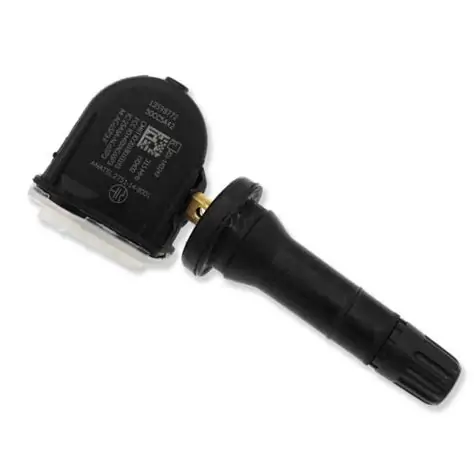
Explore TPMS sensors, signs of faults, their importance in vehicles, how to replace batteries, and tips for 2017 Silverado TPMS sensors.When it comes to maintaining your 2017 Chevrolet Silverado, understanding the Tire Pressure Monitoring System (TPMS) is crucial for ensuring safety and performance on the road. TPMS sensors play a vital role in alerting drivers to tire pressure issues, which can significantly impact vehicle handling and fuel efficiency. In this blog post, we’ll delve into the intricacies of TPMS sensors, including how to identify common signs of malfunction and the importance of keeping this system in top shape. Additionally, we’ll provide guidance on replacing TPMS sensor batteries and share essential tips for managing your Silverado’s TPMS effectively. Whether you’re a seasoned car enthusiast or a proud Silverado owner, this post will equip you with the knowledge needed to keep your tires—and ultimately your vehicle—functioning optimally.
Understanding TPMS sensors
Tire Pressure Monitoring Systems (TPMS) are essential components in modern vehicles, including the 2017 Chevrolet Silverado. They play a crucial role in ensuring safe driving by monitoring the air pressure in your vehicle’s tires. Understanding TPMS sensors is vital for maintaining your vehicle’s performance and safety.
TPMS sensors can be categorized into two types: direct and indirect systems.
| Type | Description | Advantages |
|---|---|---|
| Direct TPMS | Uses sensors mounted on each tire to measure pressure and sends data to the vehicle’s computer. | Accurate pressure readings; detects tire leaks and temperature changes in real-time. |
| Indirect TPMS | Monitors tire pressure indirectly by measuring wheel speed data from the anti-lock braking system (ABS). | Lower maintenance costs; uses existing wheel speed sensors. |
In the case of the 2017 Silverado, the vehicle is equipped with a direct TPMS. This means it has individual sensors in each tire that report back to the vehicle’s onboard computer. If the tire pressure drops below a certain threshold, the system triggers a warning light on the dashboard, alerting the driver to check the tire pressure.
Understanding how your TPMS works can help you take better care of your tires and avoid potential issues. Regularly inspecting your tire pressure not only promotes safety but also enhances fuel efficiency and overall vehicle performance. Always consult your vehicle’s owner manual for specific information about your 2017 Silverado’s TPMS system.
In addition to awareness of how TPMS sensors function, it is vital to be aware of possible signs indicating a malfunction. Keeping a close eye on these indicators can help in timely resolution and help avoid complications while driving.
Signs of a faulty TPMS sensor
Understanding the TPMS (Tire Pressure Monitoring System) is crucial for the safety and performance of your vehicle, especially in models like the 2017 Silverado. Over time, TPMS sensors can become faulty, leading to potential problems. Here are some of the most common signs that indicate your TPMS sensor may be malfunctioning:
- Warning Light: The most obvious sign is the illumination of the TPMS warning light on your dashboard. If this light is lit, it indicates that at least one of your tire pressures is either too low or your sensor may be failing.
- Erratic Pressure Readings: If your dashboard display is showing inconsistent or fluctuating tire pressure readings, it can indicate that the TPMS sensor is faulty.
- False Alerts: Receiving alerts about low tire pressure when your tires are adequately inflated is another sign of a malfunctioning TPMS sensor.
- Delayed Warnings: If the TPMS warning light takes longer than usual to illuminate after starting your vehicle, it may suggest an issue with the sensor.
- Physical Damage: Inspect your tires and sensors for any visible signs of damage, such as corrosion, which can lead to failure of the TPMS sensor.
If you notice any of these signs, it is essential to have your TPMS sensors checked by a professional to ensure your 2017 Silverado remains safe and roadworthy.
Importance of TPMS in vehicles
The Tire Pressure Monitoring System (TPMS) plays a crucial role in modern vehicles, significantly contributing to both safety and efficiency. Understanding the importance of TPMS can help drivers appreciate its value beyond just a dashboard warning light.
- Enhanced Safety: One of the primary functions of TPMS is to ensure that your tires are properly inflated. Under-inflated tires can lead to decreased traction and increased stopping distances, which can be hazardous, especially in adverse weather conditions.
- Fuel Efficiency: Maintaining the correct tire pressure reduces rolling resistance, which in turn helps improve fuel efficiency. Studies show that for every 1 PSI drop in tire pressure, a vehicle can lose 0.2% to 0.3% in fuel efficiency.
- Tire Longevity: Properly inflated tires wear more evenly and last longer. TPMS helps you keep an eye on tire pressure, extending the life of your tires and saving you money on replacements.
- Environmental Benefits: Improved fuel efficiency means lower emissions. By maintaining optimal tire pressure, you help reduce your vehicle’s carbon footprint, contributing to a healthier environment.
- Early Problemmatic Detection: TPMS alerts drivers to issues before they become serious problems. For instance, a rapid pressure drop can indicate a puncture or gradual damage, prompting timely repairs.
In summary, the importance of TPMS in vehicles cannot be overstated. It enhances safety, improves fuel efficiency, extends tire life, and contributes to environmental sustainability. Regularly monitoring your TPMS can ensure that you enjoy these benefits while driving.
Replacing TPMS sensor batteries
The Tire Pressure Monitoring System (TPMS) is an essential component of modern vehicles, including the 2017 Silverado. It helps to ensure safety on the road by monitoring the pressure in each tire. If your TPMS sensor is not functioning properly, it may be time to consider replacing the TPMS sensor batteries. Here’s what you need to know about this process:
Why Replace TPMS Sensor Batteries?
Over time, the batteries in your TPMS sensors will lose their charge, leading to inaccurate tire pressure readings or complete sensor failure. Here are a few signs that indicate it’s time to replace the batteries:
- Battery Warning Light: If the light illuminates on your dashboard.
- Inaccurate Readings: If the tire pressure readings are inconsistent or incorrect.
- Sensor Malfunction: If the sensors stop sending data entirely.
How to Replace TPMS Sensor Batteries
Replacing the batteries in your TPMS sensors can be a straightforward process, but it requires some care and attention. Follow these steps:
- Gather Necessary Tools: You will need a new battery (usually a CR2032 or similar), a small screwdriver, and possibly a tire pressure gauge.
- Remove the Sensor: Access the TPMS sensor by removing the tire. Unscrew the valve cap and gently detach the sensor.
- Open the Sensor: Using the screwdriver, carefully open the sensor casing to expose the battery.
- Replace the Battery: Remove the old battery and insert the new one, ensuring it is positioned correctly. Be cautious not to damage any internal components.
- Reassemble Sensor: Carefully close the sensor casing and ensure it is secure.
- Reinstall Sensor: Reattach the sensor to the tire valve and replace the tire.
Tips for Successful Battery Replacement
- Always check the owner’s manual for specific instructions related to your 2017 Silverado.
- Consider purchasing a TPMS tool to help reset the sensors after replacing the batteries.
- Maintain a record of when you replace the batteries to monitor their lifespan effectively.
By keeping your TPMS sensor batteries maintained, you will ensure the longevity and reliability of your vehicle’s monitoring system, ultimately enhancing your driving experience.
2017 Silverado TPMS sensor tips
The TPMS (Tire Pressure Monitoring System) is an essential safety feature in your 2017 Silverado, ensuring your tires are properly inflated for optimal performance and fuel efficiency. Here are some useful tips to help you understand and maintain your TPMS sensors.
Understanding TPMS Sensors
In your 2017 Silverado, the TPMS uses sensors located in each tire to monitor air pressure. When the air pressure in any tire falls below the recommended level, the system triggers a warning light on your dashboard.
Signs of a Faulty TPMS Sensor
- TPMS Warning Light: The most obvious sign is the illumination of the TPMS warning light on the dashboard, indicating a potential issue.
- Frequent Pressure Alerts: Consistently receiving low tire pressure alerts can indicate a malfunctioning sensor.
- Inaccurate Readings: If the pressure readings seem off or vary significantly from a manual gauge, it might be time to check your sensors.
Importance of TPMS in Vehicles
The TPMS plays a critical role in enhancing safety on the road. Properly inflated tires improve fuel efficiency, enhance vehicle handling, and reduce tire wear. Understanding the importance of your TPMS can lead to safer driving experiences.
Replacing TPMS Sensor Batteries
Regular maintenance is key to ensuring your TPMS sensors function correctly. Over time, the batteries in the TPMS sensors may deplete. Here are some steps to replace them:
- Identify the correct replacement battery for your TPMS sensors.
- Remove the tire to access the sensors.
- Carefully open the sensor housing to replace the battery.
- Reassemble the sensor and reinstall the tire, ensuring everything is secure.
Helpful Tips for Maintaining TPMS Sensors
To keep your 2017 Silverado’s TPMS in top condition, consider these tips:
- Check tire pressure regularly, especially before long trips.
- Ensure your tires are rotated regularly as part of routine maintenance.
- Consult your owner’s manual for any specific guidelines related to the TPMS system.
- Be aware of the warning signs of malfunctioning sensors and address issues promptly.
By following these tips and staying informed about your 2017 Silverado’s TPMS, you can ensure a safer and more efficient driving experience.
Frequently Asked Questions
What is a TPMS sensor in the 2017 Silverado?
The TPMS (Tire Pressure Monitoring System) sensor in the 2017 Silverado is a device that monitors the air pressure in the tires and alerts the driver when the pressure is too low.
Why is it important to maintain the TPMS in my 2017 Silverado?
Maintaining the TPMS is crucial for safety and fuel efficiency. Proper tire pressure helps to reduce tire wear, improves fuel economy, and enhances overall vehicle safety.
How can I tell if my 2017 Silverado TPMS sensor is malfunctioning?
Signs of a malfunctioning TPMS sensor include the TPMS warning light being illuminated on the dashboard, erratic tire pressure readings, or a loss of tire pressure warnings.
What should I do if the TPMS warning light comes on in my 2017 Silverado?
If the TPMS warning light comes on, check the tire pressures using a gauge. If the pressures are low, inflate them to the recommended levels. If the light remains on, consult a mechanic to check the TPMS system.
Can I reset the TPMS sensor in my 2017 Silverado myself?
Yes, you can reset the TPMS sensor by following specific steps outlined in the owner’s manual, which typically involves using the vehicle’s button or menu system to reset the tire pressures after ensuring they are properly inflated.
What happens if I ignore a TPMS warning in my 2017 Silverado?
Ignoring a TPMS warning can lead to under-inflated tires, which can decrease fuel efficiency, increase tire wear, and heighten the risk of tire blowouts, compromising your safety while driving.
How often should I check the TPMS sensors on my 2017 Silverado?
It is recommended to check the TPMS sensors regularly, ideally every month or before long trips, to ensure that the tire pressures are at the appropriate levels for safe driving.