
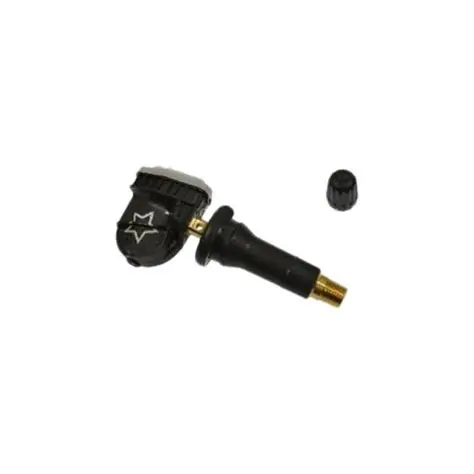
Explore the role and function of TPMS sensors in Chevy Traverse, common issues, and how to replace them for optimal vehicle safety.When it comes to maintaining the safety and performance of your 2016 Chevy Traverse, the Tire Pressure Monitoring System (TPMS) sensor plays a crucial role. This innovative component not only ensures that your tires are adequately inflated, but also helps to prevent potential accidents and improve fuel efficiency. In this blog post, we will delve into the essential aspects of TPMS sensors, exploring their functions and the importance they hold in your vehicle’s overall health. We’ll also examine common issues that may arise with these sensors and provide a step-by-step guide on how to replace them if necessary. Whether you’re a seasoned car enthusiast or a new Chevy owner, understanding the significance of your TPMS sensor is vital for optimal vehicle performance and safety on the road.
Understanding TPMS Sensors
TPMS stands for Tire Pressure Monitoring System, which is a crucial component in modern vehicles, designed to monitor the air pressure within tires. Understanding how these sensors work is essential for maintaining the safety and efficiency of your vehicle, especially for models like the 2016 Chevy Traverse.
The primary function of TPMS is to alert the driver when tire pressure falls below a certain threshold, which can lead to poor handling, reduced fuel efficiency, and even tire blowouts. Here are some key aspects of TPMS sensors:
- Monitoring Tire Pressure: Each tire is equipped with a sensor that monitors the pressure and relays this information to the car’s onboard computer.
- Warning System: If the tire pressure drops too low, the system activates a warning light on the dashboard, prompting the driver to check tire pressures.
- Real-Time Data: Some systems provide real-time data, allowing drivers to monitor tire conditions while driving.
There are two main types of TPMS:
- Direct TPMS: This system uses sensors mounted on the tire to measure pressure directly.
- Indirect TPMS: This system relies on the vehicle’s ABS (Anti-lock Braking System) sensors to estimate tire pressure based on wheel speed.
For the 2016 Chevy Traverse, the TPMS plays a vital role in ensuring a safe and comfortable driving experience. When tire pressure is within the recommended range, the vehicle provides optimal handling, improves fuel economy, and enhances overall safety.
In the event of a TPMS sensor malfunction, it can lead to incorrect tire pressure readings, potentially putting the driver at risk. Therefore, it is important to have a basic understanding of how these sensors operate, and to regularly check their functionality as part of routine vehicle maintenance.
Proper tire pressure is not just about safety; it’s also about the longevity and performance of your tires. – Automotive Safety Expert
Function of TPMS in Chevy Traverse
The Tire Pressure Monitoring System (TPMS) plays a crucial role in maintaining the safety and efficiency of your 2016 Chevy Traverse. This system is designed to monitor the air pressure in each tire, alerting you when any tire is significantly under-inflated. Here’s how the TPMS functions in your vehicle:
- Real-Time Monitoring: The TPMS continuously checks the tire pressure in all four tires, providing real-time data to the driver.
- Warning System: If the tire pressure falls below a specific threshold, the system activates a warning light on the dashboard, notifying the driver to take action.
- Improved Fuel Efficiency: Maintaining correct tire pressure can enhance fuel efficiency. Under-inflated tires increase rolling resistance, leading to higher fuel consumption.
- Enhanced Safety: Proper tire pressure reduces the risk of blowouts and other tire-related incidents, contributing to overall vehicle safety.
- Tire Longevity: Consistent monitoring helps prolong tire life by ensuring they are neither over-inflated nor under-inflated.
For the 2016 Chevy Traverse, the TPMS is not just a convenience; it is a vital safety feature that provides crucial information to ensure a smooth and safe driving experience. In case of TPMS failure, it’s advisable to consult a professional mechanic to diagnose and resolve the issue promptly.
Tip: Regular checks on tire pressure can complement the functioning of your vehicle’s TPMS, ensuring optimal performance and safety.
Importance of TPMS Sensor in Vehicles
The Tire Pressure Monitoring System (TPMS) is an essential component in modern vehicles, designed to enhance safety and efficiency on the road. Understanding the importance of TPMS sensors can significantly impact your driving experience and vehicle maintenance.
Here are several key reasons why TPMS sensors are vital:
- Enhanced Safety: A properly functioning TPMS alerts drivers when tire pressure is too low or too high, reducing the risk of tire blowouts and accidents.
- Improved Fuel Efficiency: Maintaining optimal tire pressure leads to better fuel economy. Under-inflated tires can increase rolling resistance, causing the engine to work harder and consume more fuel.
- Extended Tire Life: Correct tire pressure helps in even tire wear, prolonging the lifespan of the tires and saving you money on replacements.
- Environmental Impact: By improving fuel efficiency and reducing tire waste, TPMS contributes to a lower carbon footprint.
According to the National Highway Traffic Safety Administration (NHTSA), vehicles equipped with TPMS have experienced a decrease in tire-related crashes. This statistic alone emphasizes the importance of TPMS sensors in ensuring safer driving conditions.
Furthermore, as vehicles become more technologically advanced, the role of TPMS is also evolving. Many modern systems are integrated with other vehicle safety and performance features, making them even more critical in the overall vehicle design.
In conclusion, the significance of TPMS sensors in vehicles goes far beyond simple monitoring; they play a crucial role in safety, efficiency, and environmental sustainability.
Common TPMS Sensor Issues
The Tire Pressure Monitoring System (TPMS) is a critical safety feature in vehicles like the 2016 Chevy Traverse, designed to alert drivers when tire pressure falls below the recommended levels. Unfortunately, like any electronic system, TPMS sensors can experience issues. Here are some of the most common TPMS sensor problems that drivers may encounter:
| Issue | Description | Possible Solutions |
|---|---|---|
| Faulty Sensor | Old or defective sensors can fail to detect tire pressure accurately. | Replace the faulty sensor with a new one. |
| Battery Life | TPMS sensors are battery-operated and can lose power over time. | Replace the sensor; most systems require replacement when the battery fails. |
| Improper Installation | Incorrectly installed sensors can lead to malfunction. | Ensure sensors are installed by a qualified technician. |
| Relearn Procedure | If tires are rotated or replaced, the system may need to be recalibrated. | Follow your vehicle’s manual to perform a TPMS relearn procedure. |
| Environmental Factors | Extreme temperatures or poor weather conditions can affect sensor performance. | Monitor tire pressure regularly, especially in harsh weather. |
| Transmission Issues | Problems with data transmission from the sensor to the dashboard can occur. | Check for wireless signal interference or consult a professional. |
It’s essential to address any issues with your TPMS sensors promptly, as driving with improperly inflated tires can lead to decreased fuel efficiency, increased tire wear, and, most critically, a higher risk of accidents.
To ensure the longevity and effectiveness of your TPMS sensors, regular maintenance and checks are recommended, including:
- Regular Tire Inspections: Check tire pressure at least once a month.
- Monitoring Dashboard Alerts: Be attentive to any warning lights related to tire pressure.
- Professional Servicing: Have a qualified technician evaluate your TPMS during routine vehicle maintenance.
How to Replace TPMS Sensor
Replacing a TPMS sensor in your 2016 Chevy Traverse is a straightforward task that can help ensure the safety and efficiency of your vehicle. Below is a step-by-step guide to help you through the process.
Tools Required
- Socket wrench
- TPMS sensor tool
- New TPMS sensors
- Jack and jack stands
- Tire pressure gauge
Steps to Replace TPMS Sensor
- Safety First: Park your Chevy Traverse on a flat surface, turn off the engine, and engage the parking brake.
- Lift the Vehicle: Use a jack to lift the vehicle and secure it with jack stands. Always ensure the vehicle is stable before proceeding.
- Remove the Tire: Using a socket wrench, take off the lug nuts and then remove the tire to expose the tire rim.
- Access the TPMS Sensor: Locate the TPMS sensor on the rim. It is typically mounted near the valve stem.
- Detach the Old Sensor: Carefully disconnect the old sensor from the valve stem. You might need to remove a clip or nut that holds it in place.
- Install the New Sensor: Take your new TPMS sensor and securely attach it to the valve stem. Make sure it is fitted correctly and any clips are back in place.
- Reinstall the Tire: Place the tire back onto the rim and hand-tighten the lug nuts. Use a socket wrench to ensure all are tightened securely.
- Lower the Vehicle: Remove the jack stands and carefully lower the vehicle back to the ground.
- Reset the TPMS: Start your vehicle and reset the TPMS system using the dashboard controls or the TPMS reset button, if applicable.
- Check Tire Pressure: Use a tire pressure gauge to verify that all tires, including the one with the new sensor, are at the correct pressure.
Tips for Success
If you’re unsure about any step, consult your owner’s manual or seek professional assistance to ensure safety and accuracy during the replacement process.
By following these steps, you can easily replace the TPMS sensor on your 2016 Chevy Traverse, ensuring its proper functioning and maintaining the safety of your vehicle.
Frequently Asked Questions
What is the purpose of the TPMS sensor in a 2016 Chevy Traverse?
The TPMS (Tire Pressure Monitoring System) sensor monitors the tire pressure and alerts the driver if the pressure is too low, helping to ensure safety and improve fuel efficiency.
How do I know if my 2016 Chevy Traverse TPMS sensor is malfunctioning?
Signs of a malfunctioning TPMS sensor include the warning light on the dashboard remaining illuminated even when tire pressures are correct, inconsistent readings, or a complete failure to alert you of low tire pressure.
Can I reset the TPMS sensor on my 2016 Chevy Traverse myself?
Yes, you can reset the TPMS sensor by following the instructions in the owner’s manual, which typically involves setting the vehicle in ‘learn mode’ and driving it for a few minutes at a speeds above 25 mph.
Where is the TPMS sensor located on the 2016 Chevy Traverse?
The TPMS sensors are located inside each tire, attached to the valve stem, and are typically mounted on the wheel rim.
What should I do if my TPMS warning light stays on?
If the TPMS warning light stays on, check the tire pressures to ensure they are within the recommended range; if they are okay, you may need to have the sensor or system inspected by a professional.
How often should I replace the TPMS sensors on my 2016 Chevy Traverse?
TPMS sensors generally have a lifespan of 5 to 10 years; however, it is advisable to check them during regular maintenance or when replacing tires.
Are there any specific tire brands that work best with the TPMS on a 2016 Chevy Traverse?
Most tire brands should be compatible with the TPMS on the 2016 Chevy Traverse, but it’s best to consult a tire professional or refer to the vehicle’s manual for recommendations.