
Discover the role, importance, and symptoms of faulty TPMS sensors, along with replacement and maintenance tips for optimal vehicle safety and performance.If you’re a proud owner of a 2015 Chevy Cruze, understanding the Tire Pressure Monitoring System (TPMS) sensor is crucial for your vehicle’s safety and performance. The TPMS sensor is a vital component that continuously monitors your tire pressure, alerting you to any irregularities that could compromise your driving experience. In this blog post, we will explore the importance of these sensors, how to identify signs of a faulty one, and the steps necessary for replacing it. Additionally, we’ll provide essential tips to help you maintain your TPMS sensors effectively. By staying informed about your vehicle’s TPMS system, you can ensure optimal tire performance and enhance your safety on the road. So, let’s dive in and discover everything you need to know about the TPMS sensor in your 2015 Chevy Cruze!
What is a TPMS sensor?
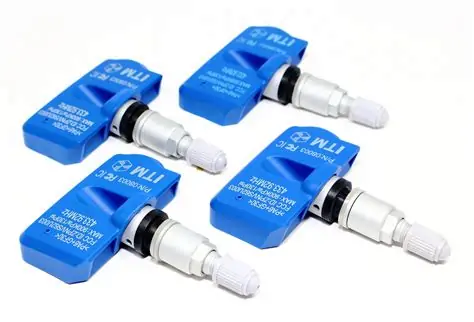
The TPMS (Tire Pressure Monitoring System) sensor is a critical component in modern vehicles, including the 2015 Chevy Cruze. Its primary function is to monitor the air pressure in each tire and provide real-time data to the driver.
When tire pressure falls below the recommended level, the TPMS sensor activates a warning light on the vehicle’s dashboard, alerting the driver to potential issues that could affect safety and fuel efficiency.
Types of TPMS Sensors
- Direct TPMS: This type uses sensors mounted inside each tire to measure the exact pressure and report it to the vehicle’s onboard computer.
- Indirect TPMS: This system relies on data from the anti-lock braking system (ABS) to estimate tire pressure based on wheel speed.
For the 2015 Chevy Cruze, a direct TPMS is employed, providing accurate and timely information regarding tire health.
Key Features of TPMS Sensors
| Feature | Description |
|---|---|
| Real-Time Monitoring | Continuously tracks tire pressure and temperature. |
| Dashboard Alerts | Illuminates warning lights when tire pressure is low. |
| Enhanced Safety | Reduces the risk of tire blowouts caused by under-inflation. |
Overall, the TPMS sensor is essential for maintaining proper tire pressure, improving fuel efficiency, and ensuring the safety of the vehicle. Keeping the TPMS in good working condition is vital for all car owners, particularly those driving models like the 2015 Chevy Cruze.
Importance of TPMS sensors
The Tire Pressure Monitoring System (TPMS) sensors play a crucial role in vehicle safety and performance. These sensors are designed to monitor the air pressure in your tires and alert you when it falls below a certain threshold. Here are some of the key reasons why TPMS sensors are so important:
| Reason | Description |
|---|---|
| Safety | Maintaining proper tire pressure ensures better traction, handling, and stability on the road, significantly reducing the risk of tire blowouts or accidents. |
| Fuel Efficiency | Under-inflated tires can increase rolling resistance, leading to higher fuel consumption. A properly functioning TPMS sensor helps maintain optimal fuel efficiency. |
| Tire Longevity | When tire pressure is maintained at the recommended levels, tires wear evenly and last longer, saving you money on replacements. |
| Environmental Impact | Proper tire pressure leads to better fuel efficiency, which not only saves you money but also reduces greenhouse gas emissions. |
In summary, the importance of TPMS sensors cannot be overstated. They are essential for ensuring the safety, efficiency, and longevity of your vehicle’s tires. Ignoring the warnings from a TPMS sensor can lead to dangerous situations and unnecessary expenses.
Signs of a faulty TPMS sensor
A TPMS (Tire Pressure Monitoring System) sensor plays a vital role in ensuring your vehicle’s tires are properly inflated. However, like any component, these sensors can develop issues over time. Recognizing the signs of a faulty TPMS sensor is crucial for maintaining your vehicle’s safety and performance. Here are some common indicators that your TPMS sensor may be malfunctioning:
- Warning Light Activation: The most common sign of a faulty TPMS sensor is the illumination of the tire pressure warning light on your dashboard. If the light persists despite proper tire pressure, the sensor may be at fault.
- Inaccurate Pressure Readings: If your TPMS displays incorrect tire pressure readings or fails to provide readings for one or more tires, this may indicate a malfunctioning sensor.
- Flashing Warning Light: A flashing TPMS warning light can signal a more significant issue, such as a sensor that is completely ineffective or one that’s experiencing intermittent failures.
- Frequent Recalibration: If you notice the need to recalibrate your TPMS sensor frequently, this may indicate that the sensor is unstable or faulty.
- Physical Damage: Inspect your tires and sensors for any visible signs of damage. Cracked or broken sensors can display erratic behavior and affect performance.
Being aware of these signs can help you take prompt action and prevent further complications with your 2015 Chevy Cruze or any other vehicle equipped with a TPMS system. Regular maintenance and timely inspections can help you keep your vehicle safe and running efficiently.
Replacing a TPMS sensor
When it comes to your 2015 Chevy Cruze, ensuring that the TPMS (Tire Pressure Monitoring System) sensor is functioning correctly is vital for both safety and performance. If you find that your TPMS sensor is faulty, replacing it is essential. Here, we outline the steps and considerations for replacing a TPMS sensor in your vehicle.
Symptoms Indicating Replacement
- Warning Light: The most apparent sign that your TPMS sensor needs replacement is the dashboard warning light. If the light remains on after correcting tire pressure, it could indicate a malfunctioning sensor.
- Inaccurate Readings: If the TPMS is providing inconsistent or incorrect tire pressure readings, this is a strong indicator that replacement is necessary.
- Sensor Fault Codes: Utilizing an OBD-II scanner can help identify specific fault codes related to the TPMS.
Steps for Replacing a TPMS Sensor
- Gather Necessary Tools: Before you start, make sure you have the required tools, including a tire pressure gauge, a lug wrench, and a TPMS tool.
- Prepare Your Vehicle: Make sure your vehicle is parked on a level surface, turn off the engine, and engage the parking brake.
- Remove the Tire: Using a lug wrench, loosen the lug nuts and remove the tire where the sensor needs replacement.
- Access the TPMS Sensor: Once the tire is off, locate the TPMS sensor mounted on the valve stem of the wheel.
- Detach the Old Sensor: Unscrew the valve stem nut and carefully detach the old TPMS sensor.
- Install the New Sensor: Place the new TPMS sensor in position and securely fasten it onto the valve stem.
- Reassemble the Tire: Replace the tire, tighten the lug nuts, and ensure to check the tire pressure using a tire pressure gauge.
- Turn on the Vehicle: Start your vehicle and check if the TPMS light turns off. If it remains on, additional programming may be needed.
Programming the New TPMS Sensor
For the 2015 Chevy Cruze, many new TPMS sensors require reprogramming after installation. This can often be done using a specialized TPMS tool, or sometimes through the vehicle’s onboard system:
- Turn the ignition to On without starting the engine.
- Press the brake pedal three times.
- Check if the TPMS light blinks, which indicates the programming mode is active.
- Activate each sensor using a TPMS tool as per the manufacturer’s instructions.
By following these detailed steps, you can effectively replace the TPMS sensor in your 2015 Chevy Cruze. Always remember to check your tire pressures regularly—monitoring your TPMS health is crucial for optimal vehicle performance and safety.
Tips for maintaining TPMS sensors
Maintaining your TPMS sensors is crucial for the safety and efficiency of your vehicle. Here are some essential tips to keep your TPMS sensors in optimal condition:
- Regular Tire Inspections: Check your tires for any signs of wear and tear. Uneven or excessive wear can affect the functionality of your TPMS sensors.
- Keep Tires Properly Inflated: Ensure your tires are inflated to the manufacturer’s recommended pressure. Under-inflated or over-inflated tires can cause your TPMS sensors to trigger warnings.
- Monitor for Warning Lights: Pay attention to your dashboard warning lights. If your TPMS sensor light comes on, investigate immediately to prevent further issues.
- Check the Battery Life: Since many TPMS sensors are powered by batteries, it’s essential to check and replace them as needed, typically every 5-10 years.
- Professional Calibration: After replacing tires or TPMS sensors, have a professional calibrate the system to ensure it operates correctly.
- Use OEM Parts: Whenever you need to replace your TPMS sensors, consider using Original Equipment Manufacturer (OEM) parts for better compatibility and reliability.
- Stay Informed: Keep updated with your vehicle’s manual and any manufacturer recommendations regarding the maintenance of TPMS sensors.
By following these tips, you can ensure that your TPMS sensors function effectively, providing you with the peace of mind that comes from knowing your tires are safe and properly maintained.
Frequently Asked Questions
What is the purpose of the TPMS sensor in a 2015 Chevy Cruze?
The TPMS (Tire Pressure Monitoring System) sensor in a 2015 Chevy Cruze is designed to monitor the air pressure in the tires and alert the driver when the pressure falls below the recommended level.
How do I know if my 2015 Chevy Cruze’s TPMS sensor is malfunctioning?
If the TPMS warning light on the dashboard illuminates, or if you notice a continuous warning message about tire pressure, it may indicate a malfunctioning TPMS sensor.
Can I reset the TPMS sensor myself in a 2015 Chevy Cruze?
Yes, you can reset the TPMS sensor in a 2015 Chevy Cruze by using the vehicle’s menu settings on the dashboard, or by following specific steps in the owner’s manual.
What should I do if the TPMS light stays on after adjusting tire pressures?
If the TPMS light remains on after correcting the tire pressures, it may indicate a faulty sensor, and you should have your vehicle inspected by a professional.
How often should I check the tire pressure in my 2015 Chevy Cruze?
You should check the tire pressure at least once a month and before any long journeys to ensure optimal performance and safety.
What are the consequences of driving with a malfunctioning TPMS in my 2015 Chevy Cruze?
Driving with a malfunctioning TPMS can lead to undetected low tire pressure, increasing the risk of tire blowouts, poor handling, and decreased fuel efficiency.
Where can I find a replacement TPMS sensor for my 2015 Chevy Cruze?
Replacement TPMS sensors for a 2015 Chevy Cruze can be found at auto parts stores, online retailers, or through your local Chevrolet dealership.