
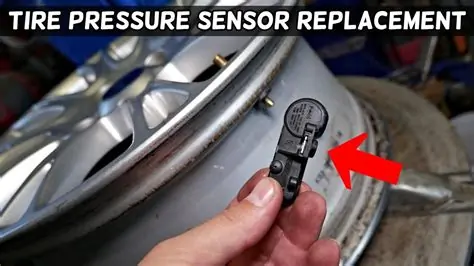
Learn about TPMS sensors, their importance, signs of failure, replacement process, and costs involved in ensuring your vehicle’s safety and performance.If you own a 2011 Ford F-150, understanding the Tire Pressure Monitoring System (TPMS) sensor is crucial for your vehicle’s safety and performance. This essential component plays a vital role in alerting you to changes in tire pressure, which can significantly affect handling, fuel efficiency, and overall driving comfort. As with any automotive part, the TPMS sensor can face wear and tear over time, leading to potential issues. In this blog post, we will explore what a TPMS sensor is, its importance, signs that indicate it may be faulty, the process of replacing it, and the associated costs of replacement. Whether you’re experiencing warning light alerts or simply want to stay informed about your F-150’s maintenance needs, this guide will equip you with the knowledge to ensure your truck remains in optimal condition.
What is TPMS sensor?
The Tire Pressure Monitoring System (TPMS) sensor is an essential component in modern vehicles, including the 2011 Ford F150. This technology plays a crucial role in enhancing vehicle safety and performance. Let’s explore what a TPMS sensor is and how it operates.
The TPMS sensor’s primary function is to monitor the air pressure in the tires constantly. If the tire pressure drops below the recommended level, the sensor alerts the driver, often through a warning light on the dashboard. There are two types of TPMS systems:
- Direct TPMS: This system uses pressure sensors mounted inside the tires to monitor the air pressure directly. Each sensor measures the tire’s pressure and sends real-time data to the vehicle’s onboard computer system.
- Indirect TPMS: Instead of using pressure sensors, this system relies on the vehicle’s anti-lock braking system (ABS) to detect changes in tire rotation speed, which can indicate a drop in tire pressure.
In the 2011 Ford F150, a direct TPMS is used. It provides accurate pressure readings, ensuring that the driver is informed of any abnormalities. This system helps prevent tire blowouts, enhances fuel efficiency, and contributes to overall driving comfort.
Understanding what a TPMS sensor is can help vehicle owners appreciate its essential role in maintaining tire health and safety.
Importance of TPMS sensor
The Tire Pressure Monitoring System (TPMS) sensor is crucial for ensuring the safety and performance of your vehicle, especially for models like the 2011 Ford F150. Understanding the significance of the TPMS sensor can help you maintain your vehicle in optimal condition.
- Safety: Maintaining proper tire pressure is essential for safe driving. A malfunctioning TPMS sensor can prevent you from receiving alerts when your tire pressure is too low, increasing the risk of tire blowouts and accidents.
- Fuel Efficiency: Under-inflated tires can reduce fuel efficiency significantly. The TPMS helps monitor tire pressure, ensuring optimal inflation and thus improving gas mileage.
- Extended Tire Lifespan: Consistently maintaining the correct tire pressure can lead to less tire wear, prolonging the life of your tires. The TPMS sensor plays a crucial role in alerting you to any pressure deviations.
- Enhanced Vehicle Handling: Proper tire pressure contributes to better handling and stability of your vehicle. The TPMS sensor helps you stay informed about tire conditions, enabling a smoother driving experience.
“Ensuring your TPMS sensor is functioning correctly can save you money and enhance your safety on the road.”
In summary, the importance of the TPMS sensor cannot be overstated. It’s a vital component that not only promotes safety but also contributes to the performance and longevity of your vehicle, especially for the 2011 Ford F150.
Signs of a faulty TPMS sensor
The Tire Pressure Monitoring System (TPMS) sensor plays a vital role in ensuring your vehicle’s safety and performance by monitoring the air pressure in your tires. A malfunctioning TPMS sensor can lead to serious issues. Here are some common signs that indicate a faulty TPMS sensor:
- Warning Light Activation: One of the most noticeable signs is the activation of the TPMS warning light on the dashboard. If this light persists even after you’ve checked and adjusted your tire pressures, it may indicate a problem with the sensor.
- Inaccurate Pressure Readings: If you notice that the pressure readings on your dashboard are not accurate, this could be a sign of a faulty TPMS sensor. For example, if the reading is consistently lower or higher than expected, the sensor may need to be checked or replaced.
- Intermittent Sensor Response: If the TPMS warning light turns on and off intermittently, it may imply that the sensor is malfunctioning. Sensors that fail to provide consistent readings are often defective.
- Tire Pressure Fluctuations: Unexplained fluctuations in tire pressure may indicate that the sensor is not functioning correctly. If you find yourself needing to adjust your tire pressure frequently, your TPMS sensor could be to blame.
- Physical Damage: Inspect your tires and wheel areas visually. Sometimes, the TPMS sensor can be physically damaged due to impacts or corrosion, which can impair its functionality.
If you notice one or more of these signs, it’s essential to get your vehicle checked. A faulty TPMS sensor can compromise your vehicle’s safety and lead to further tire-related issues. Always consult a qualified technician for accurate diagnosis and repairs.
Replacing TPMS sensor
The TPMS (Tire Pressure Monitoring System) sensor is a crucial component of your vehicle, particularly for the 2011 Ford F150. When it’s time to replace the TPMS sensor, it’s important to understand the process involved to ensure the safety and efficiency of your vehicle.
Steps to Replace the TPMS Sensor
- Preparation: Make sure to have your vehicle parked on a level surface. Gather the necessary tools, including a tire iron, a TPMS sensor tool, and jack stands.
- Remove the Wheel: Use a tire iron to loosen the lug nuts and then lift the vehicle with a jack. Place jack stands for safety and remove the wheel.
- Locate the TPMS Sensor: The TPMS sensor is usually located on the inner side of the wheel. You’ll need to unmount the tire to access it.
- Remove the Old Sensor: Carefully detach the old TPMS sensor from the wheel. This may involve unscrewing it or pulling it off, depending on the design.
- Install the New Sensor: Take your new TPMS sensor and install it by securely fastening it to the appropriate location on the wheel.
- Reattach the Tire: Carefully remount the tire onto the wheel, ensuring everything is properly aligned before tightening the lug nuts.
- Reinitialize the TPMS: After replacing the sensor, it may be necessary to reset your TPMS system. This can often be done using the vehicle’s settings or by driving the vehicle for a short distance.
Important Considerations
- Calibration: After replacing the TPMS sensor, make sure that it is calibrated properly. This ensures accurate tire pressure readings.
- Sensor Compatibility: Always check for compatible sensors for your specific make and model. Using the wrong sensor can lead to performance issues.
- Professional Help: If you’re uncomfortable performing the replacement yourself, seeking professional assistance can ensure that the job is done correctly.
“Safety first! Replacing your TPMS sensor properly is essential for maintaining tire safety and vehicle performance.”
Replacing the TPMS sensor can enhance your driving experience by ensuring that your tires are always properly inflated. Follow these steps and considerations to make sure you get the job done right.
Cost of TPMS sensor replacement
The cost of TPMS (Tire Pressure Monitoring System) sensor replacement can vary significantly based on several factors including the make and model of your vehicle, labor costs in your area, and whether you’re opting for OEM (Original Equipment Manufacturer) or aftermarket parts. For a 2011 Ford F150, understanding these costs can help you budget for this necessary maintenance.
Factors Affecting the Cost
- Type of Sensor: OEM sensors typically cost more than aftermarket options. Expect to pay between $50 to $100 for OEM sensors, while aftermarket sensors can range from $20 to $60.
- Labor Costs: Labor charges can vary by location and shop reputation. On average, you might spend between $50 to $100 for installation.
- Location of Service: Dealers may charge more, while independent shops often offer more competitive rates. Always compare quotes.
Estimated Total Costs
| Type of Sensor | Average Part Cost | Average Labor Cost | Total Estimated Cost |
|---|---|---|---|
| OEM Sensor | $50 – $100 | $50 – $100 | $100 – $200 |
| Aftermarket Sensor | $20 – $60 | $50 – $100 | $70 – $160 |
Keep in mind that some shops may offer package deals that include tire rotation or wheel alignment with TPMS sensor replacement, which can influence the overall cost.
Additional Considerations
If you’re replacing only one sensor, consider testing the others, as they may also show signs of wear and could require replacement soon. It’s vital to ensure all sensors are functioning properly to maintain optimal tire pressure, which contributes to your vehicle’s handling, fuel efficiency, and overall safety.
Always ask your mechanic for the full breakdown of costs and any warranties on parts and labor, so you can make a well-informed decision about your TPMS sensor replacement.
Frequently Asked Questions
What is a TPMS sensor in the 2011 Ford F150?
The TPMS (Tire Pressure Monitoring System) sensor in the 2011 Ford F150 is a safety feature that monitors the tire pressure and alerts the driver if any tire is under-inflated.
How do I know if the TPMS sensor is malfunctioning?
A malfunctioning TPMS sensor may trigger the dashboard warning light, or you may notice a discrepancy between the tire pressure displayed on the dashboard and the actual tire pressure.
What are the symptoms of a bad TPMS sensor in a Ford F150?
Common symptoms of a bad TPMS sensor include a continuous warning light on the dashboard, frequent tire pressure loss, and failure to register tire pressure.
Can I replace the TPMS sensor myself?
Yes, if you have the necessary tools and knowledge, you can replace the TPMS sensor yourself, but it may be advisable to consult a professional mechanic for proper installation and calibration.
How often should I check my tire pressure?
It is recommended to check your tire pressure at least once a month and before long trips to ensure optimal performance and safety.
What is the cost of replacing a TPMS sensor for a 2011 Ford F150?
The cost can vary widely depending on the mechanic and region, but typically, replacing a TPMS sensor can range from $50 to $150 per sensor, not including labor.
Does the 2011 Ford F150 have a reset procedure for the TPMS?
Yes, to reset the TPMS on a 2011 Ford F150, you usually need to inflate the tires to the recommended pressure, turn the ignition to the ‘On’ position without starting the engine, and press the TPMS reset button until the light blinks three times.