
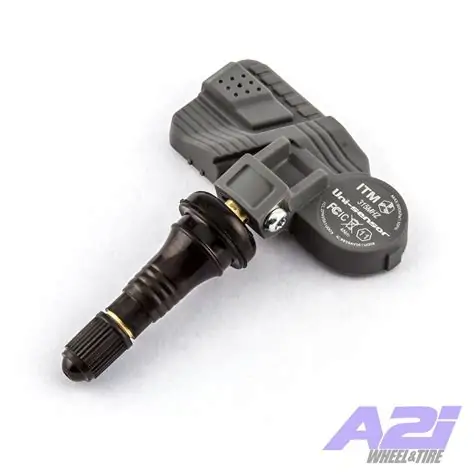
Explore TPMS sensors, recognize failure signs, learn maintenance importance, find replacement tips, and choose the right sensor for your vehicle’s safety.If you own a 2008 Chevy Silverado, understanding your Tire Pressure Monitoring System (TPMS) sensor is crucial for both safety and vehicle performance. TPMS sensors play a vital role in ensuring that your tires maintain the proper pressure, helping to enhance fuel efficiency and reduce the risk of tire blowouts. However, like any automotive component, these sensors can fail over time, leading to warning lights on your dashboard and potential driving hazards. In this blog post, we’ll delve into what TPMS sensors are, the signs of their failure, and how to maintain them properly. Additionally, we’ll provide guidance on replacing old sensors and choosing the right TPMS sensor for your Silverado, ensuring your vehicle remains in peak condition. Whether you’re a seasoned mechanic or a casual driver, this guide will equip you with the essential knowledge to keep your pickup running safely and smoothly.
Understanding TPMS Sensors
The Tire Pressure Monitoring System (TPMS) is an essential safety feature in vehicles, especially in modern cars like the 2008 Chevy Silverado. This system constantly monitors the air pressure in your tires and alerts the driver when the pressure falls below a certain threshold. Understanding how TPMS sensors work, their importance, and how to maintain them can significantly enhance your driving experience.
There are two main types of TPMS: Direct TPMS and Indirect TPMS.
| Type of TPMS | How It Works | Advantages |
|---|---|---|
| Direct TPMS | Uses sensors inside the tire to measure air pressure directly. | Provides real-time pressure readings; accurate; alerts are immediate. |
| Indirect TPMS | Relies on ABS sensors to estimate tire pressure based on wheel speed. | Less expensive; easier to install; works with existing sensors. |
Direct TPMS is more common in newer vehicles, including the 2008 Chevy Silverado. Each tire is equipped with a sensor that sends information to the vehicle’s onboard computer, which displays any issues to the driver in real-time. This immediate feedback allows for proactive measures to be taken before a low tire pressure situation escalates.
It’s vital to regularly check your TPMS to ensure it is functioning correctly. Common indicators of a malfunctioning TPMS include:
- Dashboard warning light: A yellow tire icon appears on the dashboard.
- Inaccurate tire pressure readings: The displayed pressure does not match the actual pressure.
- Frequent alerts: Receiving repeated alerts when the tires are correctly inflated.
Proper TPMS maintenance involves periodic checks and understanding how to respond to alerts. If you own a 2008 Chevy Silverado, familiarize yourself with the manual settings for recalibrating the TPMS, especially after a tire rotation or replacement.
In summary, being knowledgeable about TPMS sensors is crucial for any vehicle owner. It enhances safety, improves fuel efficiency, and extends the lifespan of your tires. Understanding how these sensors function and maintaining them effectively can ensure that you enjoy a safe driving experience.
Signs of TPMS Sensor Failure
The Tire Pressure Monitoring System (TPMS) is a crucial component in vehicles like the 2008 Chevy Silverado, ensuring your tires are adequately inflated for safety and performance. However, like any technological system, the TPMS sensors can malfunction. Recognizing the signs of TPMS sensor failure can help you address issues before they escalate.
Common Signs of TPMS Sensor Failure
- TPMS Warning Light: The most apparent sign of a failing TPMS sensor is the illumination of the TPMS warning light on your dashboard. If this light remains on after checking your tire pressures, it may indicate a sensor problem.
- Inconsistent Tire Pressure Readings: If your TPMS is providing erratic or incorrect tire pressure readings, it may signal a failing sensor. For instance, a sudden drop in reported pressure while you know your tires are inflated can be a red flag.
- Failure to Reset: When you inflate your tires, the TPMS system should reset. If it fails to do so, this might indicate a malfunctioning sensor.
- Tire Pressure Fluctuations: Constant fluctuations in tire pressure readings, especially when they don’t correlate with actual pressure levels, can suggest an issue with the TPMS sensors.
Other Symptoms to Watch For
In addition to the primary signs listed above, there are other symptoms that may indicate TPMS sensor failure:
- Leaking Sensor Seal: A damaged or leaking rubber seal can lead to air loss, causing your tires to lose pressure without the TPMS triggering a warning.
- Physical Damage: Check for visible damage to the TPMS sensor, particularly after tire changes. Cracks or corrosion can affect functionality.
- Age of the Sensors: If your vehicle’s TPMS sensors are over 5-10 years old, they may be nearing the end of their life span and should be monitored closely.
Early detection of TPMS sensor failure can prevent tire-related accidents and enhance overall vehicle safety.
Being aware of these signs of TPMS sensor failure is vital for maintaining your 2008 Chevy Silverado’s performance and safety. Regular checks can help keep your TPMS sensors functioning correctly and your tires adequately inflated.
Importance of TPMS Sensor Maintenance
The Tire Pressure Monitoring System (TPMS) is a critical component of your vehicle’s safety features, particularly for models like the 2008 Chevy Silverado. Proper maintenance of the TPMS sensors is essential to ensure their functionality and longevity. Here are some key reasons why maintaining your TPMS sensors is vital:
- Enhanced Safety: TPMS sensors alert you when tire pressure falls below the recommended level, reducing the risk of tire blowouts and improving overall vehicle safety.
- Increased Fuel Efficiency: Properly inflated tires minimize rolling resistance, thereby enhancing fuel efficiency. Neglecting your TPMS can lead to improper tire pressure, which can increase fuel consumption.
- Extended Tire Life: Regular maintenance of TPMS sensors helps ensure your tires are always at the optimal pressure, leading to even tire wear and extending their lifespan.
- Cost Savings: Early detection of tire issues through well-maintained TPMS can save you money on tire replacements and repairs, as well as enhance fuel efficiency.
- Compliance with Safety Regulations: Many regions have laws requiring functional TPMS sensors. Regular maintenance helps ensure compliance with these regulations.
To maintain your TPMS sensors effectively:
- Check tire pressure monthly, ensuring it is within the manufacturer’s recommended range.
- Inspect the sensors visually during tire rotations or replacements for any signs of damage.
- Replace batteries in the sensors when necessary, as low battery power can lead to false alerts.
- Seek professional help if the TPMS warning light remains illuminated, as this can indicate a malfunction.
Remember, staying proactive with TPMS sensor maintenance can lead to safer driving experiences and significant cost savings over time.
Replacing TPMS Sensors
When it comes to maintaining your 2008 Chevy Silverado, one of the crucial components to pay attention to is the TPMS (Tire Pressure Monitoring System) sensor. Over time, these sensors can wear out or fail, requiring replacement to ensure your vehicle operates safely and efficiently.
Signs You May Need to Replace Your TPMS Sensors
- Dashboard Warning Light: If the tire pressure light stays on, it may indicate a malfunctioning sensor.
- Frequent Tire Pressure Alerts: Constant notifications about low tire pressure could signal a problem with the sensors themselves.
- Tire Pressure Doesn’t Match Reading: If your manual tire pressure measurements contradict the readings from the TPMS, a sensor replacement may be necessary.
Steps for Replacing TPMS Sensors
- Purchase the Correct TPMS Sensors: Make sure to choose sensors that are compatible with your 2008 Chevy Silverado.
- Prepare Your Vehicle: Elevate your truck and remove the tires that need sensor replacement.
- Remove the Old Sensors: Carefully detach the old sensors from the valves. It’s essential to handle these parts with care to avoid damaging the valve stems.
- Install New Sensors: Attach the new TPMS sensors, ensuring they are securely fixed to the valve stems.
- Reinstall the Tires: After replacing the sensors, put the tires back on and ensure everything is tightened properly.
- Reprogram the TPMS: Depending on the sensor type, you may need to use a TPMS reset tool or follow the manufacturer’s instructions to reprogram the system.
Cost Considerations
Replacing TPMS sensors can vary in cost depending on whether you do it yourself or take it to a professional. Here is a basic breakdown:
| Service Type | Estimated Cost |
|---|---|
| DIY Replacement (Parts Only) | $50 – $200 |
| Professional Installation | $100 – $300 |
By regularly checking and replacing your TPMS sensors, you can improve your safety on the road and prevent more expensive damages in the future.
Choosing the Right TPMS Sensor
When it comes to replacing or upgrading the Tire Pressure Monitoring System (TPMS) sensor in your 2008 Chevy Silverado, selecting the right sensor is critical for ensuring your vehicle operates efficiently and safely. With various options available, understanding the differences can help you make an informed choice.
Key Factors to Consider
- Compatibility: Ensure the TPMS sensor is specifically designed for your 2008 Chevy Silverado. Different models may require different sensors.
- Type of Sensor: There are two main types of TPMS sensors:
- Direct TPMS: These sensors are mounted inside the tire and provide accurate real-time pressure readings.
- Indirect TPMS: These sensors utilize the vehicle’s ABS system to monitor tire pressure based on wheel speed.
- Frequency: Check the frequency of the TPMS sensor. Most sensors operate at 315 MHz or 433 MHz. Ensure you choose a sensor that matches your vehicle’s specifications.
- Brand Reputation: Select sensors from reputable brands known for their reliability and performance. Look for customer reviews and ratings to gauge their effectiveness.
Aftermarket vs. OEM Sensors
When looking for a TPMS sensor, you’ll encounter both OEM (Original Equipment Manufacturer) and aftermarket options:
| Features | OEM Sensors | Aftermarket Sensors |
|---|---|---|
| Quality | High-quality and guaranteed to fit | Varies by manufacturer |
| Cost | Tends to be more expensive | Generally more affordable |
| Warranty | Usually comes with a warranty | Varies widely |
| Availability | Available at dealerships | Can be found at various auto part retailers |
Installation Considerations
Keep in mind that proper installation of the TPMS sensor is essential. Most 2008 Chevy Silverado models require a tire shop or a professional mechanic to install the sensor, as special equipment is needed to reset the system.
By considering these factors and making an informed decision, you can ensure that your 2008 Chevy Silverado operates smoothly and maintains the safety features designed to protect you on the road.
Frequently Asked Questions
What is the purpose of the TPMS sensor in a 2008 Chevy Silverado?
The TPMS (Tire Pressure Monitoring System) sensor alerts the driver when tire pressure is low, helping to improve safety and fuel efficiency.
How do I know if my TPMS sensor is malfunctioning?
A malfunctioning TPMS sensor typically triggers a warning light on the dashboard, indicating a problem with one or more tire pressures or the sensor itself.
Can I reset the TPMS sensor on my 2008 Chevy Silverado myself?
Yes, you can reset the TPMS sensor by following a sequence of steps involving the ignition key, or by using a TPMS reset tool. Refer to the owner’s manual for specific instructions.
What should I do if my TPMS light stays on after resetting?
If the TPMS light remains on after a reset, you should check the tire pressures for all tires, including the spare. If they are correct and the light is still on, it may indicate a faulty sensor.
How often should I replace the TPMS sensors on a 2008 Chevy Silverado?
TPMS sensors usually last about 5 to 7 years, or longer, but should be checked regularly. It’s advisable to replace them if you’re also replacing the tires.
What can cause the TPMS light to turn on in a 2008 Chevy Silverado?
Common causes include low tire pressure, a flat tire, a malfunctioning TPMS sensor, or issues with the vehicle’s electrical system.
Where can I buy replacement TPMS sensors for my 2008 Chevy Silverado?
Replacement TPMS sensors can be purchased at auto parts stores, online retailers, or directly from a Chevy dealership.