
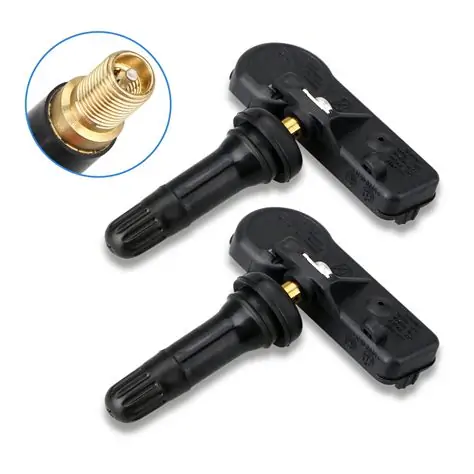
Discover the importance, functionality, and maintenance of TPMS sensors, along with common issues and effective solutions for optimal vehicle safety.In today’s automotive world, understanding the intricacies of vehicle safety features is crucial for every driver. One such essential component is the Tire Pressure Monitoring System (TPMS) sensor, particularly in GM vehicles. A TPMS sensor plays a vital role in ensuring that your tires are properly inflated, contributing to better fuel efficiency, enhanced handling, and improved safety on the road. In this blog post, we will explore what a TPMS sensor is, its importance in your vehicle’s performance, how it operates, and practical maintenance tips to keep it functioning optimally. We’ll also tackle common issues that might arise with TPMS sensors and their solutions. Join us as we delve into the world of TPMS sensors and discover how they can help you maintain a safe driving experience.
What is a TPMS sensor?
A TPMS (Tire Pressure Monitoring System) sensor is a critical device installed in vehicles that continuously monitor the tire pressure of each wheel. The primary function of a TPMS sensor is to provide real-time information about the tire pressure, alerting the driver if there is a significant drop in pressure that could lead to tire failure or safety issues.
Modern vehicles typically use one of two types of TPMS:
- Direct TPMS: This type uses individual sensors mounted inside each tire, which measure the actual pressure. The information is then transmitted wirelessly to the vehicle’s onboard computer.
- Indirect TPMS: Rather than measuring tire pressure directly, this system estimates tire pressure based on the wheel speed data from the ABS (Anti-lock Braking System) sensors. If a tire is significantly under-inflated, it will rotate at a different speed compared to correctly inflated tires.
Understanding how your TPMS sensor works is essential for maintaining the safety and efficiency of your vehicle. If the sensor detects an anomaly in tire pressure, it typically triggers a warning light on the dashboard, prompting the driver to take action by checking and adjusting tire pressure accordingly.
“Keeping an eye on your TPMS sensor can help prevent accidents and extend the life of your tires.”
Overall, TPMS sensors are an essential component of vehicle safety systems, ensuring that drivers are aware of their tire conditions at all times.
Why are TPMS sensors important?
The Tire Pressure Monitoring System (TPMS) has become an integral part of vehicle safety and efficiency. Below are several reasons why TPMS sensors are crucial for modern vehicles:
- Enhanced Safety: Proper tire pressure ensures optimal contact with the road, reducing the risk of blowouts and improving overall vehicle stability.
- Fuel Efficiency: Maintaining the correct tire pressure can significantly improve fuel economy. Under-inflated tires increase rolling resistance, leading to higher fuel consumption.
- Tire Longevity: TPMS sensors help in monitoring tire conditions, enabling drivers to maintain their tires adequately and extending their lifespan.
- Environmental Impact: Properly inflated tires contribute to lower carbon emissions through improved fuel efficiency, making TPMS sensors vital for eco-conscious drivers.
According to the National Highway Traffic Safety Administration (NHTSA), an estimated 20% of vehicles on the road have at least one under-inflated tire. This not only compromises safety but also leads to unnecessary fuel expenses. Therefore, TPMS plays a significant role in:
“Alerting the driver to potential tire issues before they become serious problems.”
Overall, investing in the maintenance of your TPMS sensors is essential not only for your safety but also for the performance and efficiency of your vehicle. Proper vigilance and care can make all the difference on the road.
How do TPMS sensors work?
The Tire Pressure Monitoring System (TPMS) is an essential safety feature in modern vehicles. It helps ensure that your tires are properly inflated, which can improve fuel efficiency and enhance handling. Understanding how TPMS sensors work is crucial for both car enthusiasts and everyday drivers.
Essentially, there are two primary types of TPMS sensors: direct and indirect.
| Type of TPMS | Description |
|---|---|
| Direct TPMS | This system uses sensors mounted within each tire to measure the tire’s pressure directly. These sensors transmit real-time data to the vehicle’s onboard computer system. |
| Indirect TPMS | This system does not use pressure sensors. Instead, it relies on the wheel speed sensors of the Anti-lock Braking System (ABS) to estimate tire pressure based on the rotational speed of the tires. |
How Direct TPMS Works
In a direct TPMS, each tire is equipped with a small electronic sensor that monitors the air pressure. When the system detects a tire’s pressure dropping below a predetermined threshold, it sends a signal to the car’s central computer. As a result, the driver receives an alert through a dashboard warning light.
How Indirect TPMS Works
In an indirect TPMS, the system calculates tire pressure based on the friction between the tires and the road surface. When a tire is under-inflated, it has a different rotational speed compared to the others. The system detects this difference and interprets it as low tire pressure, triggering an alert.
Modern TPMS sensors not only measure tire pressure but also communicate other important information such as temperature and overall tire health. It’s important to note that the technology behind these sensors can vary between manufacturers, making it critical to refer to your vehicle’s manual for specific details regarding your TPMS.
In summary, understanding how TPMS sensors operate is essential for maintaining optimal tire pressure and ensuring vehicle safety. Regularly checking your tire pressure and promptly addressing any alerts can help prolong the life of your tires and improve overall driving performance.
TPMS sensor maintenance tips
A Tire Pressure Monitoring System (TPMS) sensor is an essential component of modern vehicles. Proper maintenance of these sensors is crucial for ensuring vehicle safety and performance. Here are some valuable tips for maintaining your TPMS sensors.
1. Regularly Check Tire Pressure
One of the best ways to maintain your TPMS sensors is by regularly checking your tire pressure, ideally once a month. Here’s how:
- Use a reliable tire pressure gauge.
- Check the tire pressure when the tires are cold for the most accurate reading.
- Refer to your vehicle’s owner’s manual or the sticker on the driver’s side door for the recommended pressure.
2. Inspect Sensors During Tire Changes
Whenever you have your tires changed, it’s essential to inspect your TPMS sensors. Technicians should:
- Check for battery life if the sensors are battery-operated.
- Ensure that the sensors are positioned correctly on the wheel.
- Replace any damaged sensors or valves as needed.
3. Keep Tires and Wheels Clean
Maintaining cleanliness is vital for the performance of TPMS sensors. Dust and road grime can interfere with sensor readings. Ensure that:
- The valve stems are clean and free from debris.
- You wash your tires and wheels regularly to prevent buildup.
4. Monitor Sensor Diagnostics
Many modern vehicles come equipped with diagnostic tools that display information from the TPMS sensors. Be attentive to any warning lights that might indicate:
- Low tire pressure.
- Sensor malfunctions.
- Need for calibration or reprogramming.
5. Be Cautious in Extreme Conditions
Extreme weather conditions can affect the functionality of TPMS sensors. During seasons of extreme heat or cold, remember to:
- Check tire pressure more frequently.
- Watch for changes in the warning light behavior, as temperature fluctuations can trigger alerts.
6. Replace Dead Sensors Promptly
If you notice any malfunctioning TPMS sensor, such as a persistent warning light, it’s important to replace it promptly to maintain overall vehicle safety. Ignoring these warnings can lead to:
- Reduced tire longevity.
- Increased risk of tire blowouts.
- Lower fuel efficiency.
In Summary
Maintaining your TPMS sensors is essential for safe driving. By following these simple yet effective tips, you can ensure your sensors remain in top condition, providing reliable data to help keep your tires inflated to the correct pressure.
Common TPMS sensor issues and solutions
The Tire Pressure Monitoring System (TPMS) is a crucial component in modern vehicles, ensuring safety and efficiency on the road. However, like any system, TPMS sensors can encounter problems. Here are some common TPMS sensor issues along with their solutions:
1. Warning Light On Dashboard
One of the most frequent issues is the TPMS warning light illuminating on the dashboard. This indicates that there is a problem with one or more of the tire sensors.
- Solution: Check the tire pressures and inflate them to the recommended levels. If the light remains on, a professional inspection may be required to assess the sensors.
2. Incorrect Tire Pressure Readings
Sometimes, the TPMS may provide inaccurate or inconsistent pressure readings.
- Solution: Verify the tire pressure using a manual gauge. If discrepancies exist, recalibrating the TPMS may be necessary. Consult your vehicle’s manual for specific recalibration instructions.
3. Tire Pressure Warning When Tires Are New
If you recently replaced your tires and the TPMS warning light persists, it could be due to a couple of reasons.
- Solution: Ensure that the new tires are properly equipped with TPMS sensors. If they are, you might need to reset the system. Refer to the owner’s manual for steps on how to reset TPMS.
4. TPMS Sensor Battery Failure
Each TPMS sensor contains a battery that has a limited lifespan, typically around 5-10 years.
- Solution: If you suspect battery failure due to age, consider replacing the sensors. Most professionals recommend changing the sensors whenever the tires are replaced to avoid potential issues.
5. Physical Damage to Sensors
TPMS sensors can be damaged from road debris, hitting potholes, or during tire changes.
- Solution: Inspect the sensors for visible damage. If they are cracked or broken, replacement is necessary. It’s best to consult a tire technician for accurate diagnosis and repair.
6. Interference from Other Electronics
Sometimes, electronic interference can disrupt the TPMS communication.
- Solution: Ensure no aftermarket electronic devices are affecting the TPMS signal. Reinstall or reposition devices as needed.
7. Temperature Changes Affecting Readings
Extreme temperature fluctuations can impact tire pressure and TPMS performance.
- Solution: Regularly check tire pressures, especially before long trips or during seasonal changes. Adjust pressures according to changes in temperature.
Regular maintenance and awareness of these common TPMS sensor issues will not only keep your vehicle running smoothly but also ensure your safety on the road.
Frequently Asked Questions
What does TPMS stand for?
TPMS stands for Tire Pressure Monitoring System, which is designed to monitor the air pressure inside tires.
What is the primary function of a TPMS sensor in GM vehicles?
The primary function of a TPMS sensor in GM vehicles is to measure tire pressure and alert the driver if it falls below the recommended level.
How often should TPMS sensors be checked or replaced in GM vehicles?
TPMS sensors should be checked regularly during tire rotations and are typically replaced every 5 to 7 years or as indicated by the vehicle’s dashboard warning lights.
What warning signs indicate a TPMS issue in GM vehicles?
Common warning signs include the illumination of the TPMS warning light on the dashboard, tire pressure gauge discrepancies, or inconsistent tire pressure readings.
Can TPMS sensors be reset manually in GM vehicles?
Yes, most GM vehicles allow the TPMS sensors to be reset manually through the vehicle’s settings, but specific procedures can vary by model and year.
What are the benefits of having a functioning TPMS in GM vehicles?
The benefits of having a functioning TPMS include improved tire safety, enhanced fuel efficiency, and extended tire life by ensuring optimal tire pressure.
Are there different types of TPMS sensors used in GM vehicles?
Yes, GM vehicles typically use two types of TPMS sensors: direct sensors, which measure tire pressure in real time, and indirect sensors, which estimate tire pressure through the vehicle’s ABS system.