
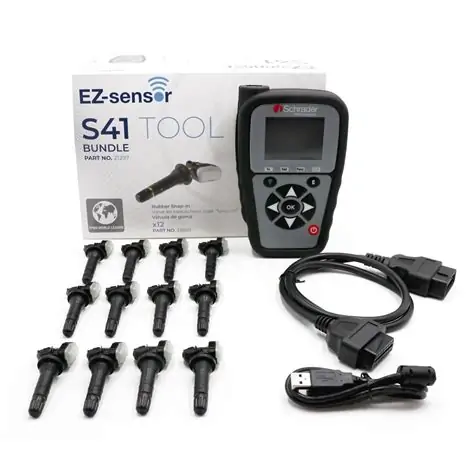
Learn about Schrader TPMS sensors, their programming importance, step-by-step instructions, common errors, and the benefits of proper programming for safety and efficiency.When it comes to vehicle safety, monitoring tire pressure is essential, and that’s where the Schrader TPMS (Tire Pressure Monitoring System) sensor comes into play. This small but crucial component helps ensure your tires are properly inflated, enhancing performance and extending tire life. However, for these sensors to function effectively, proper programming is vital. Whether you’re a seasoned mechanic or a car enthusiast, understanding the programming process of Schrader TPMS sensors can save you time and trouble down the road. In this blog post, we’ll explore what a Schrader TPMS sensor is, the importance of its programming, a step-by-step guide to the programming process, common errors to avoid, and the numerous benefits of having properly programmed sensors. Let’s dive in and equip you with the knowledge to optimize your vehicle’s performance and safety.
What is a Schrader TPMS Sensor?
The Schrader TPMS Sensor is a crucial component of the Tire Pressure Monitoring System (TPMS), which is designed to enhance vehicle safety by ensuring proper tire inflation. A TPMS sensor monitors the air pressure inside the tires and alerts the driver when the pressure falls below a specified threshold, helping to prevent tire blowouts and improve fuel efficiency.
Schrader is a leading manufacturer in this field, and their TPMS sensors are known for their reliability and precision. They typically feature advanced technology that enables them to detect tire pressure changes in real-time. Here are some key features of the Schrader TPMS Sensor:
- Accuracy: These sensors provide precise readings, allowing drivers to maintain optimal tire pressure.
- Diverse Compatibility: Schrader TPMS sensors are compatible with various makes and models of vehicles.
- Durability: Designed to withstand harsh conditions, ensuring long-term performance.
The function of the Schrader TPMS Sensor is essential not only for safety but also for maintaining vehicle efficiency. Properly inflated tires contribute to better fuel economy, improved handling, and reduced tire wear. Therefore, understanding what a Schrader TPMS sensor is and how it works is fundamental for any vehicle owner concerned about safety and efficiency.
Tires are the only contact your vehicle has with the road; make sure they are always in optimal condition. – Automotive Safety Expert
Importance of TPMS Sensor Programming
The Tire Pressure Monitoring System (TPMS) is a critical safety feature in modern vehicles. Among the components of the TPMS, the Schrader TPMS sensor plays a pivotal role. However, the effectiveness of these sensors relies heavily on proper programming. Here’s why programming your TPMS sensors is not just important, but essential:
- Accurate Tire Pressure Readings: Properly programmed TPMS sensors ensure that your vehicle accurately reports tire pressure. This prevents situations where inadequate tire pressure could lead to accidents.
- Enhanced Vehicle Safety: When tires are maintained at optimal pressure levels through accurate readings, the risks of blowouts and loss of control while driving are significantly reduced.
- Fuel Efficiency: Maintaining the proper tire pressure, which is supported by the functioning of a well-programmed TPMS sensor, contributes to better fuel efficiency.
- Longer Tire Life: Consistent monitoring and reporting allow for proactive tire maintenance, thereby extending the life of your tires.
- Compliance with Regulations: Many regions have regulations mandating TPMS. Proper programming ensures compliance with safety standards and avoids potential fines.
Ultimately, the importance of TPMS sensor programming cannot be overstated. It is a straightforward yet vital step to ensure that your vehicle operates safely and efficiently.
Step-by-Step Programming Process
Programming the Schrader TPMS sensor is a crucial aspect of maintaining the proper functioning of your vehicle’s tire pressure monitoring system. Proper programming ensures that the sensor communicates accurately with the vehicle’s system, optimizing safety and performance. Below is a detailed guide on the step-by-step programming process:
-
Preparation:
- Gather all the necessary tools: a TPMS tool, your vehicle’s manual, and the new Schrader sensors.
- Make sure the vehicle is in a well-ventilated area and the ignition is turned off.
-
Access the TPMS Settings:
- Turn the ignition key to the ON position without starting the engine.
- Using the TPMS tool, navigate to the correct settings for sensor programming.
-
Install the New Sensors:
- Remove the old TPMS sensors from the wheels.
- Install the new Schrader TPMS sensors accordingly, ensuring they are securely fastened.
-
Program the Sensors:
- Follow the instructions on your TPMS tool to start the programming sequence.
- Activate each sensor in turn by either inflating the tires or using the tool’s specific activation method.
-
Verify the Programming:
- Once all sensors have been activated, check for any error codes on the TPMS tool.
- Drive the vehicle for a short distance to ensure that all sensors are functioning and communicating correctly with the vehicle’s system.
-
Final Check:
- Re-check the tire pressures to ensure each tire is inflated to the recommended PSI.
- Return to the TPMS tool to confirm that there are no faults or warnings displayed.
Completing these steps will help ensure that your Schrader TPMS sensors are programmed correctly, maintaining the safety and efficiency of your vehicle.
Common Errors in TPMS Sensor Programming
Programming a Schrader TPMS sensor is a crucial step in ensuring the proper functioning of your vehicle’s tire pressure monitoring system. However, there are several common errors that can occur during the programming process, leading to potential issues down the line. Below we outline some of these common errors, as well as tips to avoid them.
1. Incorrect Sensor Selection
One of the most frequent mistakes is selecting the wrong TPMS sensor for your vehicle. Each vehicle model requires a specific type of sensor, so verifying compatibility is essential. Always refer to the vehicle manufacturer’s guidelines or use a TPMS tool that can verify the correct sensor.
2. Failure to Read the Sensor ID
During programming, it’s important to accurately read and input the sensor ID. Misreading or skipping this step can result in improper sensor functionality. Make sure to:
- Use a reliable TPMS tool
- Double-check the sensor ID before entering it
3. Not Following the Correct Programming Procedure
The programming process must be followed in a specific order. Neglecting any steps can cause the sensor to fail. Here’s a simplified version of the programming steps to remember:
- Start the vehicle and allow it to run for a minute.
- Activate the TPMS tool and follow the prompts.
- Enter the sensor ID when prompted.
- Confirm that the sensor is correctly programmed.
4. Ignoring Sensor Activation
It’s essential to properly activate the TPMS sensors after programming them. Some tools require a manual activation process, which can be overlooked. Ensure that you verify the activation of each sensor to prevent any inconsistencies.
5. Overlooking the Tire Rotation
When programming TPMS sensors, particularly after a tire rotation, it is vital to ensure that the sensor positions correspond to their new locations. Many people forget to update the system after rotating tires, which can lead to misreading tire pressures.
6. Neglecting Battery Life
TPMS sensors are equipped with batteries that have a finite life. If a sensor is not functioning properly, it may simply be due to a depleted battery. Always check the sensor’s battery status, especially in older vehicles.
By being aware of these common errors in TPMS sensor programming, you can enhance the accuracy and effectiveness of your tire pressure monitoring system. Proper care and attention during the programming process will contribute to a safer and more efficient driving experience.
Benefits of Properly Programmed TPMS Sensors
The Tire Pressure Monitoring System (TPMS) plays a crucial role in maintaining vehicle safety and performance. A proper understanding of the Schrader TPMS Sensor programming can lead to numerous benefits, which we will explore in detail below.
1. Enhanced Safety
Correctly programmed TPMS sensors ensure that drivers are alerted to any significant drop in tire pressure. This early warning system helps prevent tire blowouts and reduces the likelihood of accidents.
2. Improved Fuel Efficiency
When tire pressures are optimally maintained, vehicles consume fuel more efficiently. Properly programmed TPMS sensors help in alerting drivers to any deviations, thereby contributing to better gas mileage and reducing overall fuel expenses.
3. Extended Tire Longevity
Maintaining the correct tire pressure not only improves safety and fuel efficiency but also extends the life of tires. By properly programming the TPMS sensors, potential tire issues can be identified and addressed before they lead to excessive wear and tear.
4. Compliance with Regulations
Many regions have strict regulations regarding vehicle safety features, including TPMS. Ensuring that your Schrader TPMS sensors are programmed correctly can help you stay compliant with local laws, avoiding fines and enhancing road safety.
5. Reduced Risk of Unexpected Repairs
Regularly maintaining and programming TPMS sensors can lead to fewer surprises in terms of repairs. Timely alerts about low tire pressure can help address tire issues before they become major problems, potentially saving considerable amounts in repair costs.
6. Improved Driving Experience
Driving with well-maintained tires enhances handling, stability, and ride comfort. Properly programmed TPMS sensors help maintain the optimal driving conditions, allowing for a smoother and more enjoyable driving experience.
7. Increased Resale Value
Maintaining a vehicle in optimal condition, including the TPMS system, can significantly enhance its resale value. Prospective buyers are often attracted to well-maintained features that represent a commitment to safety and performance.
In summary, the benefits of properly programmed TPMS sensors are invaluable. From ensuring safety on the road to enhancing fuel efficiency and extending tire life, investing time in TPMS sensor programming can lead to substantial gains for both the vehicle and its driver.
Frequently Asked Questions
What is a Schrader TPMS sensor?
A Schrader TPMS sensor is a type of tire pressure monitoring system that measures the air pressure inside tires and sends this information to the vehicle’s onboard computer.
Why is programming necessary for TPMS sensors?
Programming is necessary for TPMS sensors to ensure they communicate correctly with the vehicle’s system, allowing for accurate monitoring of tire pressure and alerting the driver to any potential issues.
How can I program a Schrader TPMS sensor?
To program a Schrader TPMS sensor, you usually need specialized tools such as a TPMS scan tool or a vehicle-specific programming device to pair the sensor with the vehicle’s ECU.
Can I program TPMS sensors without a professional tool?
Some vehicles allow for a manual reset that does not require a professional tool; however, most modern systems will need a TPMS scan tool for proper programming.
What are the signs that a TPMS sensor needs programming?
Signs that a TPMS sensor may need programming include a persistent warning light on the dashboard, inaccurate tire pressure readings, or the system not recognizing a newly installed sensor.
How do I know if my Schrader TPMS sensor is compatible with my vehicle?
To check compatibility, refer to your vehicle’s owner manual or consult with a professional to ensure that the Schrader TPMS sensor matches the specifications required for your vehicle.
What should I do if my TPMS sensor programming fails?
If TPMS sensor programming fails, ensure that the sensor battery is functional, verify proper installation, and check for any software updates needed for the programming tool, or seek assistance from a qualified technician.