
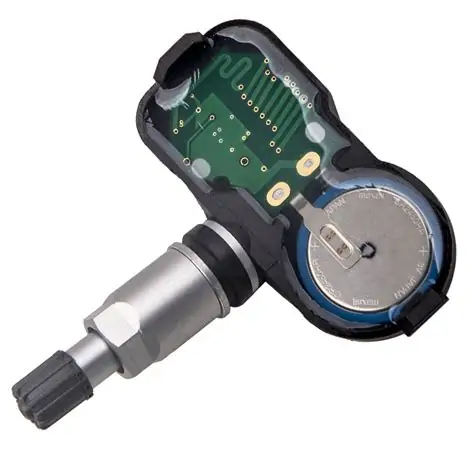
Explore TPMS sensors in the Lexus RX 350, their importance, how they work, common issues, and replacement tips for optimal vehicle performance.When it comes to ensuring a smooth and safe driving experience, the Lexus RX 350 stands out not only for its luxury but also for its advanced technology. One crucial component of this technology is the Tire Pressure Monitoring System (TPMS) sensors, which play a vital role in maintaining optimal tire pressure. In this blog post, we will explore the essential aspects of TPMS sensors in the Lexus RX 350, from understanding their function to their importance in vehicle safety. We will delve into how these sensors operate, common issues that may arise, and guidance on replacing them when necessary. Join us as we unravel the intricacies of TPMS technology and its impact on your driving experience in the Lexus RX 350.
Understanding TPMS Sensors
Tire Pressure Monitoring System (TPMS) sensors are essential components in modern vehicles, including the Lexus RX 350. These sensors are designed to monitor the air pressure in your vehicle’s tires, providing crucial data that can improve safety and enhance performance.
Understanding how these systems work can help you maintain your vehicle better and ensure a safer driving experience. Below are some key points to consider about TPMS sensors:
- Functionality: TPMS sensors continuously monitor tire pressure and alert the driver when the pressure falls below a predetermined level.
- Types of TPMS: There are two main types of TPMS: Direct TPMS, which uses pressure sensors inside the tire, and Indirect TPMS, which estimates tire pressure based on wheel speed data.
- Components: A typical TPMS consists of a sensor, a transmitter, and a receiver. The sensor measures tire pressure, the transmitter sends the data to the vehicle’s computer, and the receiver alerts the driver through the dashboard warning light.
TPMS sensors play a vital role in maintaining optimal tire pressure, which can enhance fuel efficiency and improve tire longevity. In summary, an understanding of TPMS sensors is crucial for every Lexus RX 350 owner, as it leads to better vehicle management and safety.
Proper maintenance of your TPMS sensors can prevent tire blowouts and ensure a safe drive.
Importance of TPMS in Lexus RX 350
The Tire Pressure Monitoring System (TPMS) in the Lexus RX 350 plays a critical role in ensuring the safety and performance of the vehicle. This advanced system not only monitors tire pressure but also contributes to the overall driving experience. Here’s why the TPMS is particularly important for your Lexus RX 350.
1. Enhancing Safety
Maintaining the correct tire pressure is crucial for safe driving. Under-inflated or over-inflated tires can lead to poor handling, reduced traction, and a higher risk of tire blowouts. The TPMS alerts the driver when tire pressure falls below the recommended level, helping to prevent dangerous situations.
2. Improving Fuel Efficiency
Properly inflated tires are essential for optimal fuel efficiency. When the tire pressure is low, the engine has to work harder, leading to increased fuel consumption. The TPMS helps keep track of tire pressure and can save you money on fuel costs in the long run.
3. Extending Tire Life
Maintaining the correct tire pressure can significantly extend the life of your tires. Uneven wear caused by improper inflation can shorten tire lifespan, leading you to replace them more frequently. The TPMS helps ensure that tire pressure remains within the optimal range, promoting even wear.
4. Enhancing Driving Performance
The Lexus RX 350 is known for its luxurious driving experience, and tire performance plays a big role in that. The TPMS helps maintain optimal tire pressure, which ensures better handling and stability on the road. This feature contributes to a smoother, more enjoyable ride.
5. Monitoring For Maintenance Alerts
The TPMS not only detects low tire pressure but can also indicate other maintenance needs. If the TPMS warning light triggers for reasons other than low pressure, it serves as a prompt for you to check your vehicle’s overall tire health and alignment.
“The TPMS in your Lexus RX 350 is more than just an alert system; it’s a key part of your vehicle’s safety and efficiency.”
In summary, the TPMS in the Lexus RX 350 is indispensable for maintaining safety, performance, and efficiency. Regularly checking your tire pressure and addressing any TPMS alerts can significantly enhance your driving experience.
How TPMS Sensors Work
Tire Pressure Monitoring System (TPMS) sensors play a crucial role in ensuring vehicle safety and efficiency, particularly in a luxury SUV like the Lexus RX 350. Understanding how these sensors operate can help owners maintain their vehicles effectively and stay safe on the road.
What are TPMS Sensors?
TPMS sensors are devices mounted on the wheel of a vehicle to monitor the air pressure inside each tire. They provide real-time data to alert the driver about any significant changes in tire pressure.
Types of TPMS Sensors
- Direct TPMS: Utilizes pressure sensors located inside each tire. These sensors measure tire pressure and send data directly to the vehicle’s onboard computer system.
- Indirect TPMS: Instead of measuring pressure directly, this system uses the vehicle’s ABS (Anti-lock Braking System) wheel speed sensors to detect changes in tire diameter caused by underinflation.
How They Function
Here’s a step-by-step breakdown of how TPMS sensors work:
- The sensors continuously monitor the tire pressure during vehicle operation.
- Each sensor sends data wirelessly to the vehicle’s onboard computer.
- When tire pressure drops below the recommended level, the system activates a warning light on the dashboard.
- The driver can then take necessary actions, such as checking tire pressure or consulting a mechanic if needed.
Key Benefits of TPMS Sensors
According to the NHTSA (National Highway Traffic Safety Administration), having a TPMS can reduce the chances of tire blowouts and enhance overall vehicle safety.
Conclusion
TPMS sensors are vital components that enhance the safety and performance of the Lexus RX 350. By providing real-time data, they empower drivers to keep their tires in optimal condition.
Common TPMS Sensor Issues
Tire Pressure Monitoring Systems (TPMS) are essential for maintaining optimal tire pressure and ensuring safety while driving. However, like any other vehicle component, TPMS sensors in the Lexus RX 350 may encounter issues over time. Here are some common problems associated with TPMS sensors:
- Sensor Malfunction: Over time, TPMS sensors can lose their effectiveness due to wear and tear. This may result in inaccurate readings or no readings at all.
- Battery Failure: Each TPMS sensor has a battery that typically lasts between 5 to 10 years. When the battery fails, the sensor will stop transmitting data, triggering the TPMS warning light on the dashboard.
- Leakage: Sometimes, the area around the sensor can develop leaks, which may lead to air loss in the tire and cause the TPMS to malfunction.
- Corrosion: Exposure to moisture and road salt can lead to corrosion of the sensor terminals, impacting functionality and performance.
- Mismatched Sensors: If you’ve replaced tires or sensors, using mismatched or incompatible sensors can lead to errors and warnings on the dashboard.
When experiencing any of these issues, it is important to address them promptly. Ignoring warning signals from your TPMS can lead to severe safety concerns due to improper tire pressure. Regular maintenance and checks can help mitigate these risks and ensure your Lexus RX 350 remains safe and efficient on the road.
Replacing TPMS Sensors in Lexus RX 350
Replacing the TPMS sensors in your Lexus RX 350 is an essential maintenance task that ensures your vehicle’s tire pressure monitoring system functions correctly. The Tire Pressure Monitoring System (TPMS) is crucial for your vehicle’s safety and efficiency. In this section, we will delve into the steps involved in replacing the TPMS sensors and highlight important considerations.
When to Replace TPMS Sensors
- When the TPMS warning light illuminates on your dashboard.
- After replacing tires, as new sensors may be required.
- If you experience irregular tire pressure readings.
Tools Required
Before beginning the replacement process, gather the following tools:
- Tire pressure gauge
- Torque wrench
- Tire iron
- Jack and jack stands
- New TPMS sensors
Step-by-Step Replacement Process
- Park and secure your vehicle: Ensure your Lexus RX 350 is parked on a level surface, and engage the parking brake.
- Lift the vehicle: Use a jack to lift the vehicle. Secure it with jack stands for safety.
- Remove the wheel: Using the tire iron, loosen the lug nuts and remove the wheel to access the tire.
- Remove the old TPMS sensor: Detach the sensor from the valve stem carefully. You may need to deflate the tire if it is hard to access.
- Install the new TPMS sensor: Attach the new sensor to the valve stem according to the manufacturer’s instructions.
- Check for leaks: Inflate the tire to the recommended pressure and check for any air leaks around the sensor.
- Reattach the wheel: Place the wheel back onto the vehicle, hand-tighten the lug nuts, and lower the vehicle back to the ground.
- Torque the lug nuts: Use the torque wrench to secure the lug nuts to the manufacturer’s specifications.
- Reset the TPMS light: Start the vehicle and check if the TPMS warning light is turned off. If it remains illuminated, follow the vehicle’s procedure to reset the TPMS.
Important Considerations
When replacing TPMS sensors in your Lexus RX 350, keep the following in mind:
- Always use sensors compatible with your vehicle model.
- Consult your owner’s manual for specific torque settings and procedures.
- If you’re unsure about the process, consider seeking help from a professional mechanic.
Regular maintenance and timely replacement of TPMS sensors are vital for safe driving and can help prevent costly repair issues down the line. Taking the time to understand the replacement process can empower you to keep your Lexus RX 350 in optimal condition.
Frequently Asked Questions
What are TPMS sensors in the Lexus RX 350?
TPMS sensors, or Tire Pressure Monitoring System sensors, are devices that monitor the air pressure in the tires of the Lexus RX 350 to ensure they are properly inflated.
Why is it important to monitor TPMS sensors?
Monitoring TPMS sensors is crucial for safety, as underinflated tires can lead to decreased fuel efficiency, increased tire wear, and a higher risk of tire blowouts.
How do TPMS sensors alert the driver of low tire pressure?
TPMS sensors alert the driver through a warning light on the dashboard, which illuminates when tire pressure falls below a certain threshold.
Can I reset the TPMS light myself on a Lexus RX 350?
Yes, you can reset the TPMS light yourself, but the method may vary depending on the model year. Usually, it involves inflating the tires to the recommended pressure and then using the reset button or driving the vehicle for a certain distance.
How often should I check the TPMS sensors in my Lexus RX 350?
It is recommended to check the TPMS sensors regularly and at least once a month, as well as before long trips or when there are drastic changes in temperature.
What could cause TPMS sensors to malfunction in a Lexus RX 350?
Common causes for TPMS sensor malfunctions include a dead battery in the sensor, damage due to tire changes, or issues with the tire pressure monitoring system itself.
Do I need to replace TPMS sensors when I change my tires?
While it is not always necessary to replace TPMS sensors when changing tires, it is advisable to have them inspected and replaced if they show signs of wear or malfunction.