
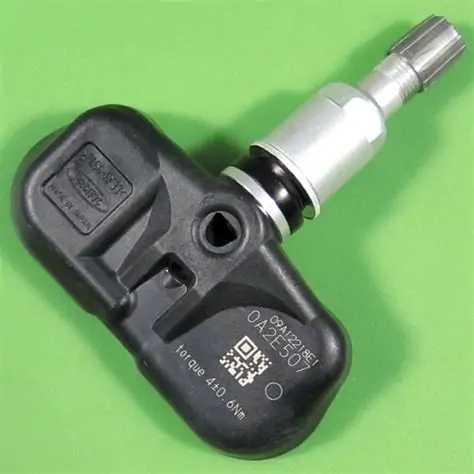
Discover the TPMS sensor’s role, importance, common issues, replacement tips, and maintenance advice to ensure optimal vehicle safety and performance.Welcome to our blog post on the Lexus IS250 TPMS sensor, an essential component in modern vehicle safety and performance. TPMS, or Tire Pressure Monitoring System, plays a crucial role in ensuring your tires are properly inflated, helping to enhance fuel efficiency and prevent tire blowouts. In this post, we’ll explore what a TPMS sensor is, why it’s important for your Lexus IS250, and some common issues you might encounter. We’ll also provide guidance on replacing your TPMS sensor and share tips for maintaining its functionality. Whether you’re a seasoned car enthusiast or a new Lexus owner, understanding your TPMS sensor will empower you to keep your vehicle in optimal condition and ensure a safer driving experience. Let’s dive in!
What is TPMS sensor?
A Tire Pressure Monitoring System (TPMS) sensor is an essential component of modern vehicles, including the Lexus IS250. This *sensor monitors the air pressure in your vehicle’s tires* and helps ensure they are inflated to the correct levels. The primary purpose of the TPMS is to provide real-time data about tire pressure, alerting the driver if a tire is under-inflated, which can adversely affect vehicle performance and safety.
The TPMS can be classified into two main types:
- Direct TPMS: This type uses sensors mounted on the valve stems of each tire to measure the tire pressure directly. These sensors send tire pressure data to the vehicle’s onboard computer.
- Indirect TPMS: This type does not use dedicated sensors. Instead, it relies on the vehicle’s ABS (anti-lock braking system) wheel speed sensors to estimate tire pressure by monitoring rotational speed. If one tire is under-inflated, it will have a different rotational speed compared to properly inflated tires.
In the Lexus IS250, the TPMS plays a crucial role in maintaining driving safety and efficiency. It is designed to activate a warning light on the dashboard when it detects that tire pressure is significantly below the recommended level. This alert prompts drivers to take corrective measures, which can help prevent accidents caused by tire blowouts and improve fuel efficiency by ensuring optimal tire performance.
Overall, the TPMS sensor is vital for modern vehicles, enhancing both safety and performance on the road while allowing drivers to maintain their tires effectively.
Importance of TPMS sensor
The Tire Pressure Monitoring System (TPMS) sensor is a crucial component in modern vehicles, including the Lexus IS250. Its main function is to monitor the air pressure inside the tires and ensure they are inflated to the correct level. Understanding the importance of the TPMS sensor can help drivers maintain their vehicle’s performance and safety.
- Safety: Proper tire pressure is essential for safe driving. A malfunctioning TPMS sensor can lead to under-inflated tires, increasing the risk of tire blowouts and accidents.
- Fuel Efficiency: Under-inflated tires can adversely affect fuel efficiency. A well-functioning TPMS sensor helps maintain the correct tire pressure, thereby enhancing gas mileage.
- Tire Longevity: Consistently monitored tire pressure can extend the life of the tires. Maintaining optimal levels of air pressure helps to evenly distribute wear, reducing the frequency of tire replacements.
- Enhanced Performance: The performance of the vehicle can be significantly impacted by tire pressure. Correct pressure allows for better handling and ride comfort, directly affecting the overall driving experience.
In summary, the TPMS sensor is indispensable for ensuring not only the safety and reliability of the Lexus IS250 but also for optimizing its performance and efficiency. Regular checks and maintenance of this system can lead to significant benefits for both the vehicle and its driver.
Common TPMS sensor issues
The TPMS sensor (Tire Pressure Monitoring System) is an essential component for maintaining optimal tire performance and safety in vehicles, including the Lexis IS250. However, like any technology, it is susceptible to a variety of issues that can affect its functionality. Below, we’ll explore some of the most common TPMS sensor issues that vehicle owners may encounter.
1. Low Tire Pressure Alerts
One of the most prevalent issues is receiving false alerts for low tire pressure. This could be due to:
- Natural air loss over time.
- Temperature changes affecting tire pressure.
- Punctures or leaks in the tire.
It’s essential to regularly check tire pressure and adjust as necessary to avoid unnecessary alerts and ensure safety.
2. Sensor Malfunction
Another common issue is the malfunction of the TPMS sensor itself. Symptoms may include:
- Constant warning light on the dashboard, regardless of tire pressure.
- Inability to read tire pressure in real-time.
If you suspect a malfunction, a professional inspection is recommended to confirm and address the underlying cause.
3. Dead or Weak Batteries
Each TPMS sensor is powered by a battery, which can degrade over time. Common signs of battery issues include:
- Delayed activation of the TPMS sensor.
- Inconsistent readings from the sensor.
If a battery is dead, the entire sensor will need replacement, which can typically be done during a tire rotation or replacement.
4. Incorrectly Calibrated Sensors
After tire rotations or replacements, TPMS sensors can sometimes become incorrectly calibrated, leading to:
- Inaccurate pressure readings.
- Persistent warning lights.
It’s important to recalibrate these sensors according to manufacturer specifications to ensure accurate functioning.
5. Environmental Factors
Environmental conditions can also affect the performance of the TPMS sensor. Factors include:
- Extreme temperatures (both hot and cold).
- Road conditions that may lead to physical damage.
Regular checks and maintenance can help mitigate some of these environmental impacts.
Being aware of these common TPMS sensor issues can help Lexus IS250 owners address problems promptly, ensuring a safe and efficient driving experience. Regular maintenance checks and being proactive can make a significant difference in your vehicle’s performance and safety.
Replacing TPMS sensor
Replacing the TPMS sensor in your Lexus IS250 is a crucial maintenance task that can help ensure your vehicle’s safety and performance. The Tire Pressure Monitoring System (TPMS) is designed to alert you when tire pressure is too low, which can impact your car’s handling and fuel efficiency. Here’s a comprehensive guide on how to replace your TPMS sensor effectively.
When to Replace Your TPMS Sensor
Common signs that indicate your TPMS sensor may need replacement include:
- TPMS warning light on the dashboard remains illuminated.
- Inconsistent tire pressure readings.
- Sensor age; many TPMS sensors have a lifespan of around 5-10 years.
Tools and Materials Needed
Gather the following tools and materials before beginning the replacement:
- New TPMS sensors
- Socket set
- Tire pressure gauge
- Jack and jack stands
- Torque wrench
Step-by-Step Guide to Replacing the TPMS Sensor
- Prepare your vehicle: Park your Lexus IS250 on a level surface, turn off the engine, and engage the parking brake.
- Lift the vehicle: Use a jack to lift the car and secure it with jack stands for safety.
- Remove the wheel: Use a socket set to remove the lug nuts and take off the wheel where the TPMS sensor needs replacing.
- Access the TPMS sensor: Once the wheel is off, locate the TPMS sensor mounted within the tire’s rim.
- Remove the old sensor: Unscrew or detach the old sensor from the rim carefully.
- Install the new sensor: Follow the manufacturer instructions to install the new TPMS sensor, ensuring it’s securely fastened.
- Reattach the wheel: Place the wheel back on, screw on the lug nuts, and lower the vehicle off the jack stands.
- Reset the TPMS system: Consult your owner’s manual for instructions on how to reset the TPMS system to ensure the new sensor is recognized.
Final Check
After replacing the TPMS sensor, it is essential to check the tire pressure using a tire pressure gauge. Make sure all tires, including the spare, are inflated to the correct pressure specified in your owner’s manual or on the driver’s door jamb.
“Regular maintenance and awareness of your TPMS sensor can save you from dangerous driving conditions caused by improper tire pressure.” – Automotive Expert
By following this guide, you can confidently replace the TPMS sensor in your Lexus IS250, ensuring your vehicle’s tire pressure is constantly monitored for safe driving. Remember, if you ever feel uncertain about changing the sensor yourself, it’s always prudent to seek the assistance of a professional mechanic.
Tips for maintaining TPMS sensor
The Tire Pressure Monitoring System (TPMS) is a crucial component of your vehicle’s safety system, ensuring that your tires are properly inflated and functioning optimally. For Lexus IS250 owners, maintaining the TPMS sensor is essential to prolong the life of both the tires and the sensor itself. Here are some helpful tips for keeping your TPMS sensor in top shape:
- Regular Inspections: Periodically check the tire pressure of all four tires, including the spare if equipped with a TPMS. This helps ensure the sensors are functioning and prevents any issues before they escalate.
- Monitor Warning Lights: Always pay attention to the warning lights on your dashboard. If the TPMS light illuminates, it may indicate a malfunction or a drop in tire pressure. Address these issues promptly.
- Avoid Sudden Impacts: Rough driving conditions, such as potholes or curbs, can damage TPMS sensors. Drive cautiously to reduce the risk of impact damage.
- Professional Calibration: When installing new tires or replacing tires, have a professional recalibrate your TPMS sensor. This ensures that the sensors sync correctly with the new tires.
- Battery Life Awareness: Be aware that TPMS sensors are powered by batteries that may eventually wear out. Depending on the manufacturer, these batteries generally last between 5 to 10 years. Regularly check to see if replacement is needed.
- Sensor Replacement: If your TPMS sensor is constantly malfunctioning or if you notice that your tire pressure warning light stays on despite proper tire inflation, it may be time to replace the sensor. Consult your Lexus dealership or an experienced mechanic for assistance.
- Use Proper Tools: When inflating your tires, use a reliable tire pressure gauge. Some cheap gauges may give inaccurate readings and can lead to overinflation or underinflation.
By implementing these maintenance tips, you can ensure that your Lexus IS250’s TPMS sensor functions effectively, contributing to safer driving and prolonged tire life.
Frequently Asked Questions
What is the function of the TPMS sensor in the Lexus IS250?
The TPMS (Tire Pressure Monitoring System) sensor in the Lexus IS250 is designed to monitor the air pressure in the tires and alert the driver when the pressure is too low, helping to ensure safety and improve fuel efficiency.
How do I know if my Lexus IS250’s TPMS sensor is malfunctioning?
Signs of a malfunctioning TPMS sensor include the TPMS warning light illuminating on the dashboard, inconsistent pressure readings, or the system failing to alert you when tire pressure is low.
Can I replace the TPMS sensor in my Lexus IS250 myself?
While it is possible to replace the TPMS sensor yourself, it requires specific tools and knowledge of tire and wheel systems. It’s often recommended to have a professional technician perform the replacement to ensure proper installation and calibration.
What are the steps to reset the TPMS light on my Lexus IS250 after replacing a sensor?
To reset the TPMS light on a Lexus IS250, you typically need to drive the vehicle at speeds above 25 mph for about 10 minutes, or you may need to press the TPMS reset button located beneath the steering wheel, followed by turning the ignition to ‘on’ without starting the engine.
How often should I check my Lexus IS250’s tire pressure?
It’s recommended to check the tire pressure at least once a month and before long trips to ensure that your tires are properly inflated for safety and efficiency.
Are there different types of TPMS sensors for the Lexus IS250?
Yes, there are two types of TPMS sensors: direct and indirect. The Lexus IS250 typically uses direct TPMS sensors that measure tire pressure in real-time.
What should I do if my Lexus IS250 has a low tire pressure warning?
If you see a low tire pressure warning, you should safely pull over, check the tire pressure of all tires including the spare, inflate them as needed, and inspect for any punctures or damage before continuing to drive.