
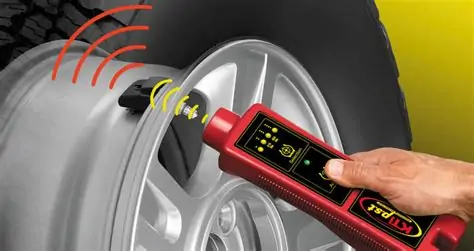
Explore TPMS sensors, their testing types, visual inspections, using TPMS tools, and interpreting test results for optimal vehicle performance and safety.When it comes to vehicle safety, maintaining proper tire pressure is crucial, and Tire Pressure Monitoring Systems (TPMS) play a vital role in this aspect. Understanding how to test a TPMS sensor can help you ensure that it functions correctly, thereby enhancing your vehicle’s safety and performance. In this blog post, we’ll explore the nuances of TPMS sensors and delve into various methods for testing, including visual inspections and specialized TPMS tools. By the end, you’ll be equipped with the knowledge to interpret test results effectively, allowing you to stay proactive in your vehicle maintenance. Let’s dive into the essentials of TPMS sensor testing and why it matters for every car owner.
Understanding TPMS Sensors
The Tire Pressure Monitoring System (TPMS) is a crucial safety feature in modern vehicles. It helps in monitoring the air pressure inside the tires, providing alerts to the driver when the pressure is too low. Understanding how TPMS sensors work is essential for maintaining optimal tire performance and safety.
What are TPMS Sensors?
TPMS sensors are small devices installed in each tire that measure the tire’s air pressure. They transmit this information to the vehicle’s onboard computer, which alerts the driver through a dashboard indicator if tire pressure falls below a certain threshold.
Types of TPMS Sensors
- Direct TPMS: These sensors are mounted directly on the tire’s valve stem and measure the air pressure in real time.
- Indirect TPMS: These systems do not use physical sensors in the tires. Instead, they rely on the vehicle’s ABS (Anti-lock Braking System) sensors to estimate tire pressure based on wheel speed.
Importance of TPMS
The main functions and benefits of a TPMS include:
- Enhancing vehicle safety by preventing blowouts and tire wear.
- Improving fuel efficiency by ensuring tires are properly inflated.
- Increasing the lifespan of the tires.
Common Issues with TPMS Sensors
Understanding the common issues that can affect TPMS sensors is vital:
Low battery life, sensor damage due to road hazards, and misalignment are frequent problems that can lead to malfunctioning TPMS.
Regular checks and maintenance of tires and TPMS sensors can significantly reduce the chances of experiencing these issues.
Types of TPMS Sensor Testing
Testing a TPMS sensor (Tire Pressure Monitoring System) is crucial for ensuring the safety and efficiency of your vehicle. Understanding the various methods of testing these sensors can help you maintain optimal tire pressure and vehicle performance. The types of TPMS sensor testing can be broadly classified into the following categories:
1. Visual Inspection
This is the first step and often the simplest way to check the condition of your TPMS sensors. Look for:
- Dirt or debris on the sensor
- Cracks or damage to the sensor housing
- Corrosion on electrical connections
2. Activation Testing
In this method, a TPMS tool is used to activate the sensor. It can help you determine if the sensor is transmitting data correctly. Follow these steps:
- Use a TPMS activation tool to send a signal to the sensor.
- Check the tool’s display for the sensor’s response.
- If the sensor does not respond, it may need replacement.
3. Pressure Testing
This involves checking the pressure of the tire and ensuring that it matches the specifications. You can do this by:
- Using a digital or analog tire pressure gauge.
- Comparing the readings to the vehicle’s manual.
If the tire pressure is significantly different, check the TPMS sensor for any faults.
4. Battery Testing
Some TPMS sensors have a battery that can wear out over time. Testing the battery can be done using:
- A multimeter, to check the voltage.
- A dedicated TPMS battery tester.
A low voltage reading may indicate that the sensor needs a battery replacement.
5. Diagnostic Scanner Testing
Using a diagnostic scanner can provide in-depth data about the TPMS system. This method can identify:
- Error codes related to the TPMS system.
- Sensor communication malfunctions.
A scan tool specific to TPMS can give you detailed diagnostics.
Each of these methods offers significant insight into the condition and functionality of your TPMS sensors. Regular testing can help ensure your vehicle remains safe and efficient on the road.
Conducting Visual Inspections
Conducting visual inspections is a fundamental step in ensuring the proper functioning of TPMS (Tire Pressure Monitoring System) sensors. This process allows technicians and vehicle owners to identify potential issues without the need for specialized tools. Below are the key aspects to consider when performing a visual inspection of TPMS sensors:
- Check the Sensor Condition: Inspect each sensor for any visible signs of damage, such as cracks, corrosion, or loose components. A damaged sensor may not accurately read the tire pressure.
- Inspect the Valve Stems: The valve stems are crucial for sensor operation. Ensure that they are intact and free from leaks. If the stems are compromised, they may need to be replaced.
- Look for Tire Wear: Assess the overall condition of the tires. Uneven wear patterns could indicate alignment or inflation issues, which can affect TPMS functionality.
- Confirm the Installation: Ensure that the wheels have been properly assembled. Loose or improperly installed sensors can lead to inaccurate readings or malfunction.
- Observe Environmental Factors: Check for dirt, mud, or debris buildup around the sensor area. These can impact sensor performance and should be cleaned if necessary.
Maintaining your TPMS sensors through regular visual inspections can help detect problems early and prolong the life of your tires. Always remember that while visual inspections are essential, they should be complemented with more thorough tests when issues are suspected.
Utilizing TPMS Tool for Testing
Testing a TPMS (Tire Pressure Monitoring System) sensor effectively requires the right tools and understanding. A TPMS tool is essential for accurately diagnosing and interacting with your vehicle’s tire pressure sensors. Below, we will explore how to utilize a TPMS tool for testing purposes.
What is a TPMS Tool?
A TPMS tool is a specialized device used to diagnose and interact with tire pressure sensors in vehicles. It can perform various functions, including:
- Reading Sensor Data: Retrieve real-time data from the TPMS sensors.
- Resetting Sensors: Clear sensor faults or reset the system after tire service.
- Programming Sensors: Program new sensors after replacements.
Steps to Utilize a TPMS Tool for Testing
- Prepare the Vehicle: Ensure the vehicle is parked on a level surface with the ignition turned on.
- Connect the TPMS Tool: Plug the TPMS tool into the vehicle’s OBD-II port, typically located under the dashboard.
- Select the Vehicle Make and Model: Use the tool’s interface to choose the specific vehicle make and model.
- Read Sensor Data: Initiate a read command on the tool to collect data from each tire’s TPMS sensor.
- Analyze Sensor Status: Check for any error codes or irregular readings, such as low or high tire pressures.
- Test Activation: Activate the sensors by following the tool’s prompts. This will ensure they are functioning properly.
Interpreting the Results
Once the tool completes its testing, it’s important to interpret the results correctly:
Commonly, each TPMS sensor will display its current tire pressure along with battery status and fault codes if applicable. Ensure that all readings are within the manufacturer’s specified parameters.
Common Issues and Solutions
| Issue | Suggested Solution |
|---|---|
| Sensor not responding | Check for battery issues or loose connections. |
| Incorrect readings | Verify tire pressure manually and recalibrate if necessary. |
| Error codes displayed | Consult the TPMS tool manual for specific code meanings. |
Utilizing a TPMS tool is a vital part of ensuring your vehicle’s tire health and safety. By following these steps, you can effectively assess the functionality of TPMS sensors, diagnose issues, and maintain optimal tire performance.
Interpreting Test Results
Interpreting the results of a TPMS sensor test is critical in maintaining proper tire pressure monitoring systems. Understanding these results can help identify issues effectively, ensuring both safety and performance in your vehicle. Below are key points to consider when interpreting test results:
| Test Result | Meaning | Possible Action |
|---|---|---|
| Pass | The sensor is functioning properly. | No action needed, but keep monitoring. |
| Fail | The sensor is not working as intended. | Replace the sensor or check for electronic faults. |
| Weak Signal | The signal strength from the sensor is low. | Check battery life or positioning of the sensor. |
| Intermittent Response | The sensor responds inconsistently. | Inspect wiring and connections; replace if necessary. |
When analyzing the test results, it’s also important to consider the context of the readings:
- Environmental Factors: High or low temperatures can affect sensor performance.
- Sensor Age: Older sensors may show weakened performance and should be checked regularly.
- Vehicle Conditions: Anomalies like tire damage can indicate deeper issues not immediately related to the sensor’s performance.
The key to effective TPMS maintenance lies not only in conducting tests but also in accurately interpreting the results to inform actionable decisions.
Finally, always consult your vehicle’s manual or a professional when in doubt about test results. Correct interpretation leads to timely interventions, boosting both vehicle longevity and safety on the road.
Frequently Asked Questions
What does TPMS stand for?
TPMS stands for Tire Pressure Monitoring System.
Why is it important to test a TPMS sensor?
Testing a TPMS sensor is important to ensure that your vehicle’s tire pressure is monitored accurately, enhancing safety and fuel efficiency.
What tools do I need to test a TPMS sensor?
To test a TPMS sensor, you typically need a TPMS scan tool, a digital multimeter, and sometimes a tire pressure gauge.
How can I tell if my TPMS sensor is malfunctioning?
Symptoms of a malfunctioning TPMS sensor include a warning light on the dashboard, inconsistent tire pressure readings, or an inability to reset the system.
What is the process for testing a TPMS sensor?
The process for testing a TPMS sensor generally involves checking the tire pressure, using a TPMS scan tool to retrieve data, and validating the sensor’s output with a multimeter.
How often should I test my TPMS sensors?
It’s recommended to test your TPMS sensors at least once a year and whenever you notice a warning light or unusual tire behavior.
What should I do if my TPMS sensor is not working?
If your TPMS sensor is not working, you may need to replace the sensor, reprogram it, or consult a professional mechanic for further diagnosis.