
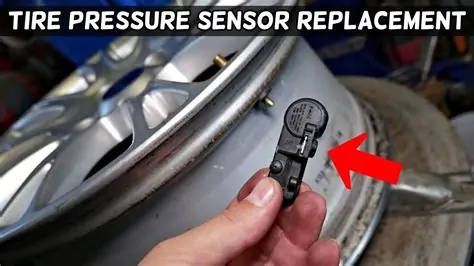
Explore TPMS sensors, their importance in vehicles, common issues, replacement tips, and the benefits of upgrading for optimal performance and safety.The 2016 Ford F-150 is a powerful truck known for its exceptional performance and reliability, but it’s essential to keep it running smoothly to ensure safety on the road. One key component that plays a crucial role in maintaining tire health is the Tire Pressure Monitoring System (TPMS) sensor. In this blog post, we’ll delve into understanding how TPMS sensors work, the importance of having a properly functioning system in your vehicle, and the common issues that may arise. We’ll also discuss how to replace faulty TPMS sensors and the advantages of upgrading to newer models. By the end of this post, you’ll have a comprehensive understanding of TPMS sensors and why keeping them in top condition is vital for your 2016 Ford F-150.
Understanding TPMS Sensors
TPMS, or Tire Pressure Monitoring System, is an essential feature in modern vehicles, including the 2016 Ford F-150. This system continuously monitors the air pressure in the tires and alerts the driver when it detects abnormal pressure levels, which can significantly enhance safety on the road.
How TPMS Sensors Work
TPMS sensors can be categorized into two types: direct TPMS and indirect TPMS.
- Direct TPMS: These sensors are mounted inside each tire and measure the actual tire pressure. If the pressure drops below a certain threshold, the sensor sends a signal to the vehicle’s onboard computer, which triggers a warning light on the dashboard.
- Indirect TPMS: Instead of measuring pressure directly, indirect systems estimate tire pressure by monitoring the rotation speed of the wheels. They can alert the driver to a potential problem when one or more tires are rotating at a different speed than they should be.
Importance of TPMS Sensors in Vehicles
TPMS sensors play a crucial role in maintaining vehicle safety and efficiency. Here are a few reasons why they are vital:
- Safety: Proper tire pressure reduces the risk of tire blowouts, which can lead to serious accidents.
- Fuel Efficiency: Under-inflated tires can cause increased rolling resistance, leading to higher fuel consumption.
- Tire Longevity: Maintaining the correct tire pressure can prolong the life of your tires and improve performance.
TPMS Sensor Features
The 2016 Ford F-150 comes equipped with advanced TPMS sensors that feature:
- Real-time tire pressure alerts
- Low battery indicator for sensor replacement
- Seamless integration with the vehicle’s dashboard for easy monitoring
Conclusion
Understanding TPMS sensors is essential for all vehicle owners, especially those with a 2016 Ford F-150. Regular maintenance and monitoring of tire pressure can not only ensure safety but also enhance vehicle performance and efficiency.
Importance of TPMS in Vehicles
The Tire Pressure Monitoring System (TPMS) is a crucial component in modern vehicles, including the 2016 Ford F-150. Its primary purpose is to monitor the air pressure in the tires, ensuring they operate within the optimal pressure range. Understanding the importance of TPMS can lead to enhanced safety, improved fuel efficiency, and longer tire life.
Enhanced Safety
One of the critical reasons for having a TPMS in vehicles is the significant safety it provides. Proper tire inflation can greatly affect the handling and stability of a vehicle. Under-inflated tires can lead to:
- Increased risk of tire blowouts
- Poor braking performance
- Loss of control during driving conditions
By alerting drivers when tire pressure is low, TPMS plays a vital role in preventing accidents caused by tire failures.
Improved Fuel Efficiency
Maintaining the correct tire pressure can also lead to better fuel efficiency. Under-inflated tires create more rolling resistance, requiring more fuel to maintain speed. According to studies, driving on tires that are inflated even a little below the recommended levels can lower fuel efficiency by up to 3%. A well-functioning TPMS helps keep tires in the optimal pressure zone, contributing to better fuel economy.
Longer Tire Life
Proper tire care leads to longer tire lifespan. Tires that are consistently monitored for pressure can be rotated and maintained properly, leading to less wear and tear. This can result in significant savings over time, as replacing tires can be an expensive endeavor. A regular TPMS check can alert the driver when tire pressures are not ideal, allowing for timely adjustments.
Environmental Impact
From an environmental perspective, a properly inflated tire contributes to lower carbon emissions. By utilizing a TPMS, drivers can ensure that their tires are functioning optimally, thereby reducing their vehicle’s fuel consumption and contributing less to pollution.
Regulatory Compliance
Many regions have regulations requiring all new vehicles to be equipped with TPMS. This ensures that manufacturers adhere to safety standards designed to protect drivers and passengers.
In summary, the importance of TPMS in vehicles like the 2016 Ford F-150 cannot be overstated. It enhances safety, improves fuel efficiency, increases tire longevity, and has environmental benefits. Regular checks and maintenance of your TPMS can ensure a safer and more economical driving experience.
Common TPMS Sensor Issues
Tire Pressure Monitoring Systems (TPMS) are essential for vehicle safety, especially for models like the 2016 Ford F-150. However, like any electronic system, TPMS sensors can experience issues that may compromise their functionality. Below, we outline some of the most common problems associated with TPMS sensors.
Common Problems with TPMS Sensors
| Issue | Description |
|---|---|
| Low Battery | The battery in the TPMS sensor can deplete over time, resulting in sensor failure. |
| Damaged Sensor | Mechanical damage from road debris or improper tire installation can lead to sensor issues. |
| Incorrect Installation | If a tire is mounted without properly installing the TPMS sensor, it may not function as intended. |
| Signal Interference | Interference from other wireless devices can lead to incorrect readings or sensor failure. |
| Faulty Receiver | Issues with the vehicle’s TPMS receiver itself can prevent proper communication with the sensors. |
Symptoms of TPMS Sensor Issues
- Warning Light: The TPMS warning light on the dashboard may illuminate.
- Incorrect Tire Pressure Readings: Readings displayed may be inaccurate, showing significantly higher or lower values.
- Regular Alerts: Frequent alerts to check tire pressure, even after adjustments have been made.
What to Do If You Face TPMS Issues
If you are encountering any of these issues with your 2016 Ford F-150, it is advisable to consult a professional mechanic or visit a certified service center. They can perform a thorough diagnosis and suggest the appropriate repairs or replacements.
Maintaining proper tire pressure is crucial not only for safety but also for fuel efficiency and tire longevity.
Replacing TPMS Sensors
Replacing the TPMS sensors in your vehicle, particularly for models like the 2016 Ford F-150, is a crucial aspect of maintaining optimal tire performance and safety.
Here are some important steps and considerations to keep in mind when replacing your TPMS sensors:
- Identify the Need for Replacement: If your TPMS light is illuminated on your dashboard, or if you’re experiencing irregular tire pressure readings, it may be time to replace the sensors.
- Select the Right Sensors: Ensure that you purchase compatible TPMS sensors for your 2016 Ford F-150. Aftermarket sensors or OEM parts can be used, but compatibility is key.
- Gather Necessary Tools: Before beginning the replacement process, make sure you have the necessary tools, such as a tire pressure gauge, jack, and possibly a TPMS tool to reset the system.
- Remove the Tires: Using the jack, lift the vehicle and remove the tires to access the TPMS sensors. This step is essential as the sensors are usually located within the tire assembly.
- Replace the Sensors: Carefully remove the old TPMS sensors and replace them with the new ones. Make sure to securely attach them to prevent any issues.
- Reinstall the Tires: After replacing the TPMS sensors, reinstall the tires and ensure they are tightened to the manufacturer’s specifications.
- Reset the TPMS System: After replacing the sensors, use a TPMS tool or perform a manual reset as per the vehicle’s requirements to ensure the new sensors are recognized by the vehicle’s system.
Tip: Always check the tire pressure after replacing the TPMS sensors to ensure they are functioning correctly and that the system is accurately reading the tire pressure.
If you’re unsure about any of the steps, it’s advisable to seek assistance from a professional mechanic to avoid any potential issues with your vehicle’s TPMS system.
Benefits of Upgrading TPMS Sensors
Upgrading your TPMS sensors can significantly enhance the performance and safety of your vehicle, specifically in models like the 2016 Ford F-150. Here are some key benefits to consider:
- Improved Accuracy: Newer TPMS sensors often come equipped with advanced technology that provides more precise tire pressure readings, ensuring your tires are properly inflated.
- Increased Reliability: Upgraded sensors are less likely to fail or malfunction compared to older models, reducing the likelihood of unexpected warning lights and keeping you informed about your tire health.
- Better Battery Life: Many newer TPMS sensors feature energy-efficient designs that extend battery life, allowing for longer operation without the need for replacement.
- Enhanced Features: Upgrading may provide access to additional functionalities such as temperature monitoring and direct integration with vehicle systems, offering greater insights into tire performance.
- Compatibility with Advanced Systems: New TPMS sensors are often designed to work seamlessly with modern vehicle safety features, ensuring optimal functionality across all systems.
In summary, upgrading your TPMS sensors can provide substantive benefits that promote safety, efficiency, and overall performance in your 2016 Ford F-150. It’s an investment that pays off by maintaining tire health and ensuring a smoother driving experience.
Frequently Asked Questions
What is a TPMS sensor and why is it important for the 2016 Ford F-150?
A TPMS (Tire Pressure Monitoring System) sensor is a safety feature that monitors the air pressure in the tires. It alerts the driver when tire pressure is too low, which can prevent blowouts and improve fuel efficiency.
How do I know if the TPMS sensor on my 2016 Ford F-150 is malfunctioning?
Common signs of a malfunctioning TPMS sensor include the warning light on the dashboard not turning off after correcting tire pressure, inconsistent pressure readings, or a complete failure to alert you about low tire pressure.
What should I do if the TPMS warning light comes on for my 2016 Ford F-150?
If the TPMS warning light comes on, first check the tire pressures and inflate them if needed. If the light remains on, consider having the sensors checked or replaced.
Can I replace the TPMS sensors on my 2016 Ford F-150 myself?
Replacing TPMS sensors can be complex and requires specific tools for proper calibration. While some experienced DIYers might attempt it, it’s generally recommended to have a professional do the replacement to ensure proper function.
How much does it cost to replace a TPMS sensor on a 2016 Ford F-150?
The cost to replace a TPMS sensor can vary widely, typically ranging from $50 to $150 per sensor, not including labor costs. Always check with a local mechanic or dealer for accurate pricing.
Do I need to reset the TPMS after replacing the sensors on my 2016 Ford F-150?
Yes, after replacing TPMS sensors, you typically need to reset the system. This can often be done through the vehicle’s settings or using a TPMS reset tool.
What type of TPMS sensors are compatible with the 2016 Ford F-150?
The 2016 Ford F-150 typically uses direct TPMS sensors that communicate with the vehicle’s onboard computer. Make sure to use OEM (Original Equipment Manufacturer) or high-quality aftermarket sensors for compatibility.