
Explore the importance of TPMS sensors, signs of faults, and guidance on choosing and replacing them for optimal vehicle safety.When it comes to maintaining the performance and safety of your 2012 Dodge Ram 1500, one critical component often overlooked is the Tire Pressure Monitoring System (TPMS) sensors. These sensors play a vital role in alerting drivers about tire pressure issues, ensuring optimal handling and fuel efficiency. However, like any automotive component, TPMS sensors can fail, leading to potential hazards on the road. In this blog post, we’ll explore what TPMS sensors are, how to recognize the signs of malfunction, the importance of keeping them functional, the process of replacing them, and tips for selecting the right sensors. Whether you’re a seasoned mechanic or a concerned truck owner, understanding these elements will help you keep your Ram 1500 in top shape, ensuring a safer driving experience. Let’s dive in!
What are TPMS sensors?
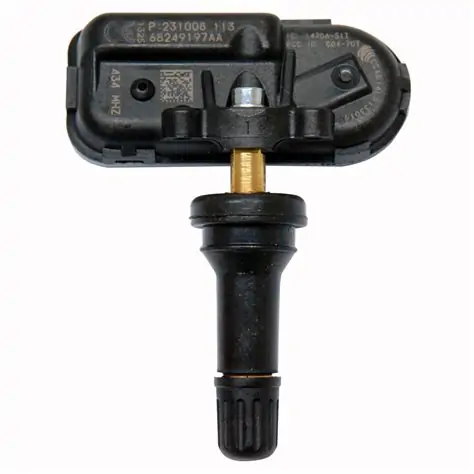
TPMS stands for Tire Pressure Monitoring System, which is an advanced safety feature found in modern vehicles, including the 2012 Dodge Ram 1500. The primary purpose of TPMS sensors is to monitor the air pressure in your tires, ensuring that they remain within the optimal range for safe driving and improved fuel efficiency.
TPMS sensors can be categorized into two types: direct TPMS and indirect TPMS.
- Direct TPMS: This type uses sensors located inside each tire. These sensors measure the actual tire pressure and communicate the readings to the vehicle’s onboard computer. If the pressure falls below a set threshold, the system alerts the driver via a warning light on the dashboard.
- Indirect TPMS: This system does not measure tire pressure directly. Instead, it uses the anti-lock brake system (ABS) to monitor the rotational speed of the tires. If one tire has a lower pressure, it will rotate faster than the others, triggering a warning light to alert the driver.
The TPMS sensors in the 2012 Dodge Ram 1500 play a crucial role in maintaining tire health. Keeping an eye on tire pressure helps prevent issues such as:
- Poor fuel efficiency
- Uneven tire wear
- Increased risk of tire blowouts
Proper functioning of TPMS sensors not only enhances safety but also extends the lifespan of your tires, ultimately leading to a smoother driving experience.
Signs of faulty TPMS sensors
Understanding the signs of faulty TPMS (Tire Pressure Monitoring System) sensors is crucial for the safety and performance of your vehicle. The TPMS sensors are designed to monitor the air pressure in your tires, alerting you when it falls below the recommended level. Here are some common signs that indicate your TPMS sensors may be malfunctioning:
- TPMS Warning Light is On: If the TPMS warning light on your dashboard remains illuminated even after checking your tire pressures, this could indicate a problem with one or more of the sensors.
- Inaccurate Tire Pressure Readings: If you notice that the pressure readings on your TPMS display don’t match the actual tire pressures as measured by a gauge, it may suggest a fault in the sensor.
- Fluctuating Readings: Sudden and inconsistent changes in the tire pressure readings could indicate a malfunctioning sensor, particularly if they show rapid fluctuations.
- Battery Issues: Many TPMS sensors run on batteries that can deplete over time. If you notice failure to communicate or inconsistent readings, it may be due to a weak battery in the sensor.
- Physical Damage: Inspect the tires and the valve stems where the TPMS sensors are mounted. Any signs of physical damage, such as cracks or corrosion, can lead to functionality issues.
If you experience any of these signs, it’s essential to have your TPMS sensors checked by a professional to prevent potential safety hazards associated with improper tire pressure.
Importance of TPMS sensors
The Tire Pressure Monitoring System (TPMS) sensors serve an essential role in ensuring the safety and efficiency of your vehicle, particularly in models such as the 2012 Dodge Ram 1500. Here, we’ll delve into the importance of these sensors and why they should not be overlooked.
1. Enhancing Safety
One of the primary functions of TPMS sensors is to monitor tire pressure in real-time. Maintaining the correct tire pressure is crucial for safe driving. Under-inflated tires can lead to:
- Increased risk of blowouts
- Longer stopping distances
- Decreased steering responsiveness
By providing immediate alerts when tire pressure falls below safe levels, TPMS sensors significantly improve overall safety on the road.
2. Improving Fuel Efficiency
Properly inflated tires can greatly enhance fuel efficiency. When tire pressure is at optimal levels, vehicles experience:
- Reduced rolling resistance
- Improved mileage
- Decreased fuel consumption
As such, regular monitoring using TPMS can help save money on fuel, making it an economically beneficial feature for vehicle owners.
3. Preventing Tire Wear
TPMS sensors also contribute to prolonging the lifespan of your tires. Tires that are consistently under or over-inflated can wear unevenly, resulting in:
- Shortened tire life
- Increased costs for replacements
- Unsafe driving conditions
By utilizing TPMS sensors, vehicle owners can stay on top of tire maintenance, promoting better performance and longevity.
4. Complying with Regulations
In many countries, including the United States, vehicles are required to have functioning TPMS due to safety regulations. Having a properly functioning system not only ensures compliance but also reflects responsibility as a vehicle owner.
5. Enhancing Performance
The right tire pressure maximizes the performance of your vehicle. Maintaining optimal pressure helps in:
- Improving handling and ride comfort
- Maximizing traction
- Minimizing hydroplaning risks
With TPMS, drivers can make informed decisions about tire maintenance, resulting in a smoother and safer driving experience.
In summary, the importance of TPMS sensors cannot be overstated. They play a critical role in safety, fuel efficiency, tire longevity, regulatory compliance, and performance.
Replacing TPMS sensors
When it comes to maintaining the safety and efficiency of your vehicle, understanding the TPMS sensors and their replacement is crucial, especially for a 2012 Dodge Ram 1500. Here’s a detailed guide on how to proceed with replacing these essential components.
When to Replace TPMS Sensors
It is important to replace your TPMS sensors when you notice any of the following signs:
- Warning light illuminates on the dashboard
- Inaccurate tire pressure readings
- Frequent leaks or loss of air
- Physical damage to the sensor
Steps to Replace TPMS Sensors
Replacing TPMS sensors can be a straightforward process if you follow these steps:
- Gather Necessary Tools: You will need a tire pressure gauge, jack, lug wrench, and new TPMS sensors.
- Lift the Vehicle: Use a jack to lift your Dodge Ram 1500 safely. Always ensure the vehicle is on a stable surface.
- Remove the Tire: Use the lug wrench to remove the lug nuts and take off the tire where you need to replace the TPMS sensor.
- Detach the Old Sensor: Locate the TPMS sensor, which is typically attached to the rim. Disconnect it carefully.
- Install the New Sensor: Attach the new TPMS sensor securely. Make sure it is properly aligned.
- Reattach the Tire: Put the tire back onto the wheel and tighten the lug nuts securely.
- Repeat for Other Tires: Follow the same process for the remaining tires if necessary.
- Reset the TPMS: After installing the new sensors, turn on the vehicle and reset the TPMS system following the instructions in your owner’s manual.
Tips for a Successful Replacement
To ensure a smooth replacement process, keep these tips in mind:
- Always consult your vehicle’s manual for specific instructions.
- Consider using OEM (Original Equipment Manufacturer) sensors for compatibility.
- Make sure to check the battery life of the TPMS sensors, as some are battery-operated.
By following this guide, you can ensure that the TPMS sensors in your 2012 Dodge Ram 1500 are functioning correctly, contributing to safer driving conditions and optimal tire performance.
Choosing the right TPMS sensors
When it comes to maintaining your 2012 Dodge Ram 1500, one of the key components to pay attention to is the TPMS (Tire Pressure Monitoring System). Choosing the right TPMS sensors can greatly affect your vehicle’s safety and performance. Here are some important factors to consider:
1. Compatibility
Ensure that the TPMS sensors you select are compatible with your 2012 Dodge Ram 1500. You can consult your owner’s manual or check with a certified dealer for the specifications needed.
2. Sensor Type
There are generally two types of TPMS sensors:
- Direct TPMS Sensors: These sensors measure the actual air pressure in each tire and send the data to the vehicle’s onboard computer.
- Indirect TPMS Sensors: These sensors do not measure air pressure directly; instead, they rely on the vehicle’s ABS to detect differences in wheel speed that indicate low tire pressure.
3. Frequency
TPMS sensors operate at different frequencies. For the 2012 Dodge Ram 1500, make sure to choose sensors that match the 315 MHz frequency to ensure proper functioning.
4. Brand Quality
Opt for reputable brands that are known for producing high-quality TPMS sensors. Some leading brands include:
| Brand | Note |
|---|---|
| Schrader | Original Equipment Manufacturer (OEM) for many vehicles. |
| VDO | Offers high-quality sensors with excellent durability. |
| Huf | Known for innovation and advanced technology in TPMS solutions. |
5. Installation Needs
Consider whether you want a DIY installation or professional installation. Some sensors require special programming or activation, so it might be beneficial to seek a professional if you’re not experienced.
6. Price
While it might be tempting to go for the cheapest option, remember that quality and reliability should not be compromised. Compare prices among different brands and choose one that fits your budget without compromising quality.
In summary, ensuring that you have the correct and high-quality TPMS sensors for your 2012 Dodge Ram 1500 is vital for maintaining tire health and overall vehicle safety. By considering compatibility, sensor type, frequency, brand quality, installation needs, and price, you can make an informed decision that protects you and your vehicle on the road.
Frequently Asked Questions
What are TPMS sensors in the 2012 Dodge Ram 1500?
TPMS sensors, or Tire Pressure Monitoring System sensors, are devices that monitor the air pressure in the tires of the 2012 Dodge Ram 1500, alerting the driver to any significant drops in pressure.
How do I know if my TPMS sensors are malfunctioning?
Signs of malfunctioning TPMS sensors include a warning light on the dashboard, incorrect tire pressure readings, or the light flashing intermittently, which indicates a possible fault.
Can I replace the TPMS sensors myself?
Yes, replacing TPMS sensors on a 2012 Dodge Ram 1500 can be done by a skilled DIYer, but it requires specific tools and knowledge of tire dismounting and mounting.
What is the cost of replacing TPMS sensors in a 2012 Dodge Ram 1500?
The cost of replacing TPMS sensors generally ranges from $50 to $150 per sensor, depending on whether you go to a dealer or an independent service provider.
How do I reset the TPMS on a 2012 Dodge Ram 1500?
To reset the TPMS on a 2012 Dodge Ram 1500, you usually need to drive the vehicle at speeds above 50 mph for about 10 minutes, but you can also use the reset button located under the steering wheel in some models.
What happens if I ignore a TPMS warning light?
Ignoring a TPMS warning light can lead to tire underinflation, which increases the risk of tire blowouts, reduced fuel efficiency, and can compromise vehicle handling and safety.
Are aftermarket TPMS sensors a good alternative to original equipment?
Aftermarket TPMS sensors can be a cost-effective alternative to OEM sensors, but it’s important to choose a reliable brand to ensure proper function and compatibility with your 2012 Dodge Ram 1500.