
Discover the importance of TPMS sensors, signs of failure, impacts, replacement tips, and benefits of a functioning system for safer driving.The 2007 Chevy Tahoe is a beloved vehicle known for its reliability and performance, but like any automobile, it comes with its own set of concerns—in this case, the Tire Pressure Monitoring System (TPMS) sensor. This crucial component plays a vital role in ensuring optimal tire pressure, which directly impacts driving safety and fuel efficiency. In this blog post, we will explore what a TPMS sensor is, the signs indicating it may be malfunctioning, and the potential consequences of ignoring a faulty sensor. We’ll also provide a step-by-step guide on how to replace it and highlight the numerous benefits of having a fully functioning TPMS sensor in your Tahoe. Whether you’re a seasoned DIY enthusiast or a new Tahoe owner, understanding your TPMS sensor can help you keep your vehicle running smoothly and safely.
What is a TPMS sensor?
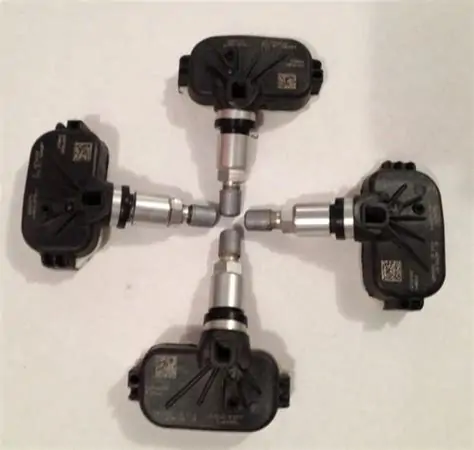
A TPMS sensor, or Tire Pressure Monitoring System sensor, is a crucial component in modern vehicles, including the 2007 Chevy Tahoe. This sensor is designed to monitor the air pressure within your tires and provide real-time information to the driver, ensuring optimal safety and performance.
The TPMS system can be divided into two main types:
- Direct TPMS: This system utilizes pressure sensors located in each tire, providing accurate and direct measurements of tire pressure.
- Indirect TPMS: This system indirectly measures tire pressure by analyzing the rotational speed of the tires through the vehicle’s ABS (Anti-lock Braking System). If a tire is under-inflated, it will rotate at a different speed compared to properly inflated tires.
TPMS sensors play a vital role in vehicle safety and maintenance by:
- Alerting the driver when tire pressure falls below the recommended level.
- Preventing potential blowouts and improving fuel efficiency by ensuring tires are adequately inflated.
In the 2007 Chevy Tahoe, the TPMS system is an onboard feature that enhances driver awareness and promotes safer driving practices. If you’re ever faced with a TPMS warning light on your dashboard, it’s a signal that your tire pressure may need immediate attention.
Understanding the function and importance of the TPMS sensor is crucial for every vehicle owner, as it not only contributes to safety but can also lead to better performance and longevity of your tires.
Signs of a faulty sensor
When it comes to the TPMS (Tire Pressure Monitoring System) in your 2007 Chevy Tahoe, recognizing the signs of a faulty sensor can prevent further issues down the line. A malfunctioning TPMS sensor not only affects your vehicle’s performance but can also compromise your safety on the road. Here are some common indicators to look out for:
- Warning Light Activated: The most obvious sign of a faulty TPMS sensor is the illumination of the tire pressure warning light on your dashboard. This light can indicate that one or more tires are under-inflated, or that there is a malfunction within the system itself.
- Inconsistent Tire Pressure Readings: If your TPMS is providing inaccurate tire pressure readings, it could indicate a problem with the sensor. For example, if you notice drastic changes in pressure readings from one tire to another without any change in conditions, a faulty sensor might be the cause.
- TPMS Not Resetting: After adjusting tire pressures, if the TPMS light remains on and does not reset, it may suggest that the sensor is malfunctioning. Typically, the light should turn off once the pressures are corrected and the vehicle is driven for a short distance.
- New Tires or Pressure Changes Not Recognized: If you recently replaced tires or adjusted tire pressure and the system fails to recognize these changes, it’s an indication that the TPMS sensor might be faulty.
- Frequent Alerts or Flickering Light: If your TPMS warning light flickers or provides frequent alerts despite tire conditions being normal, the sensor may need replacement.
If you experience any of these symptoms, it’s essential to have your TPMS sensor inspected and, if necessary, replaced to ensure your 2007 Chevy Tahoe operates safely and efficiently.
Impact of faulty TPMS sensor
When discussing the 2007 Chevy Tahoe TPMS sensor, it’s imperative to understand the impact of a faulty TPMS sensor. The Tire Pressure Monitoring System (TPMS) is a critical component that helps ensure the safety and performance of your vehicle. Below are some of the major effects that a malfunctioning TPMS can have:
- Increased Risk of Tire Blowouts: A faulty sensor may not alert you to low tire pressure, significantly increasing the risk of a blowout. This can lead to dangerous driving conditions.
- Poor Fuel Efficiency: Under-inflated tires can cause your vehicle to consume more fuel. A malfunctioning TPMS may fail to notify you when your tires are not properly inflated, leading to unnecessary fuel expenses.
- Uneven Tire Wear: A faulty sensor can result in tires not being inflated to their optimal level. Over time, this leads to uneven wear, necessitating premature tire replacement and increased costs.
- Handling and Stability Issues: Proper tire pressure is crucial for maintaining optimal vehicle handling. A malfunctioning TPMS can compromise your vehicle’s stability, increasing the likelihood of accidents.
- Dashboard Warning Lights: A faulty TPMS can cause warning lights on your dashboard to illuminate unnecessarily, leading to confusion and potential neglect of other critical vehicle issues.
In summary, the impact of a faulty TPMS sensor on your 2007 Chevy Tahoe extends beyond mere inconvenience. It compromises safety, increases costs, and affects the overall performance of your vehicle. Regular maintenance and timely replacement of the TPMS sensor can help mitigate these risks.
How to replace TPMS sensor
Replacing the TPMS (Tire Pressure Monitoring System) sensor in a 2007 Chevy Tahoe can be a straightforward process if you have the right tools and knowledge. Below, we’ll explore the steps to efficiently replace the TPMS sensor.
What You Will Need:
- New TPMS Sensor
- Tire Pressure Gauge
- Jack and Jack Stands
- Socket Set
- Torque Wrench
Step-by-Step Guide:
- 1. Safety First: Make sure your vehicle is parked on a flat surface. Engage the parking brake and wear safety goggles.
- 2. Remove the Tire: Using the jack, lift the vehicle and secure it with jack stands. Remove the wheel lug nuts and take off the tire.
- 3. Access the TPMS Sensor: Locate the TPMS sensor, which is typically mounted inside the tire on the valve stem.
- 4. Remove the Old Sensor: Use the appropriate socket to remove the sensor. Be cautious not to damage the valve stem during this process.
- 5. Install the New Sensor: Insert the new sensor and tighten it to the manufacturer’s specifications using a torque wrench for accuracy.
- 6. Reattach the Tire: Once the new sensor is installed, replace the tire onto the vehicle and finger-tighten the lug nuts.
- 7. Lower the Vehicle: Carefully lower the vehicle from the jack stands and remove the jack.
- 8. Tighten the Lug Nuts: Use the torque wrench to tighten the lug nuts to the specified torque settings, ensuring they are secure.
- 9. Reset the TPMS Light: Start your vehicle and check if the TPMS light on the dashboard has turned off. If it remains illuminated, you may need to reset the system via the vehicle’s settings or by driving at a speed above 50 mph for a few minutes.
Final Checks:
After replacing the TPMS sensor, make sure to check the tire pressure with a tire pressure gauge and adjust it according to the manufacturer’s recommendations. Regular maintenance of your TPMS can help enhance your driving safety and performance.
A properly functioning TPMS is essential for maintaining optimal tire pressure, improving fuel economy, and enhancing overall vehicle safety. – Automotive Expert
Benefits of functioning TPMS sensor
The Tire Pressure Monitoring System (TPMS) sensor plays a crucial role in the safety and efficiency of vehicles like the 2007 Chevy Tahoe. Below are some key benefits of having a properly functioning TPMS sensor:
- Enhanced Safety: One of the primary benefits of a functioning TPMS sensor is improved safety for both the driver and passengers. By continuously monitoring tire pressure, the sensor alerts the driver to any significant changes, helping to avoid potential tire blowouts or accidents.
- Improved Fuel Efficiency: Properly inflated tires contribute to better fuel efficiency. A functioning TPMS sensor helps maintain the correct tire pressure, ensuring your Chevy Tahoe runs efficiently, ultimately saving you money at the pump.
- Increased Tire Life: Maintaining optimal tire pressure prolongs the life of your tires. Regular monitoring with a working TPMS sensor encourages timely inflation checks and adjustments, reducing uneven wear on tires.
- Environmental Benefits: By ensuring your tires are inflated to the correct levels, you contribute to lower carbon emissions. Proper tire pressure not only saves fuel but also reduces the overall environmental impact of vehicles on the road.
- Real-Time Monitoring: A functioning TPMS sensor provides real-time information about tire conditions, which is essential for maintaining vehicle performance. This allows drivers to make informed decisions regarding maintenance and tire replacements.
In summary, the benefits of a functioning TPMS sensor extend far beyond simple tire pressure monitoring. They encompass aspects of safety, economy, tire longevity, and environmental conservation, making it an essential component of any vehicle, including the 2007 Chevy Tahoe.
Frequently Asked Questions
What is a TPMS sensor?
TPMS stands for Tire Pressure Monitoring System. It is a safety feature that monitors the air pressure in the tires and alerts the driver if the pressure drops below a certain threshold.
Why is the TPMS sensor important for a 2007 Chevy Tahoe?
The TPMS sensor is crucial for maintaining optimal tire pressure, which enhances fuel efficiency, tire longevity, and overall vehicle safety.
How do I know if my TPMS sensor is malfunctioning on my 2007 Chevy Tahoe?
If the TPMS warning light on your dashboard is illuminated or blinking, it may indicate a malfunction in the system or that one or more tires are under-inflated.
How do I reset the TPMS sensor on a 2007 Chevy Tahoe?
To reset the TPMS sensor, first ensure that all tires are inflated to the correct pressure. Then, turn the ignition to ‘On’ (without starting the engine) and press the TPMS reset button usually located below the steering column until the TPMS light blinks three times, indicating a reset.
Can I replace the TPMS sensor myself on a 2007 Chevy Tahoe?
Yes, you can replace the TPMS sensor yourself if you have basic mechanical skills. However, you will need special tools to access the sensor within the tires, and it is often recommended to have the tires rebalanced afterward.
What are the symptoms of a bad TPMS sensor on a 2007 Chevy Tahoe?
Symptoms of a bad TPMS sensor may include continued illumination of the TPMS warning light, inaccurate tire pressure readings, or warning lights that flicker intermittently.
Where can I find a replacement TPMS sensor for my 2007 Chevy Tahoe?
Replacement TPMS sensors can be found at auto parts stores, online retailers, or through a dealership. Be sure to check for compatibility with your specific vehicle model.