
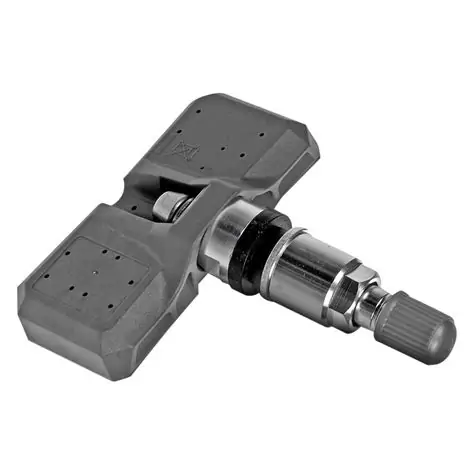
Discover everything about TPMS sensors: their importance, signs of faults, replacement tips, and how to choose the right sensor for your vehicle.In the realm of automotive safety, understanding the Tire Pressure Monitoring System (TPMS) is essential, especially for Honda Pilot owners from the 2011 model year. The TPMS sensor plays a crucial role in maintaining tire health, ensuring optimal performance, and enhancing overall driving safety. As we delve into the various facets of the TPMS system, we’ll explore its importance and how it communicates vital information about your tire pressure. Furthermore, we’ll address the signs that indicate a faulty TPMS sensor, guiding you through the steps to replace it if necessary. Finally, we’ll help you navigate the options available to choose the right TPMS sensor for your Honda Pilot. Whether you’re a seasoned driver or a new owner, this comprehensive guide will empower you to keep your vehicle in top shape.
What is TPMS Sensor?
The TPMS (Tire Pressure Monitoring System) sensor is a crucial component in modern vehicles, including the 2011 Honda Pilot. This sensor continuously monitors the air pressure in each tire and communicates with the vehicle’s onboard computer system. If the tire pressure falls below a predetermined level, the TPMS illuminates a warning light on the dashboard to alert the driver.
There are two types of TPMS: Direct TPMS and Indirect TPMS. The Direct TPMS uses sensors located inside each tire to provide real-time pressure readings. These sensors measure the tire’s pressure and transmit the data to the vehicle’s central system. In contrast, the Indirect TPMS estimates tire pressure based on wheel speed data from the vehicle’s ABS (Anti-lock Braking System) and does not require dedicated pressure sensors in each tire.
How TPMS Works
The operation of a TPMS sensor involves the following steps:
- The sensor measures tire pressure and temperature.
- Data is sent wirelessly to the vehicle’s computer.
- If the pressure is outside the specified range, a warning light is triggered.
Maintaining the correct tire pressure is vital for safety, fuel efficiency, and tire longevity. The TPMS sensor plays an essential role in preventing potential accidents caused by under-inflated or over-inflated tires.
Proper tire pressure can improve gas mileage by 3-4%. – National Highway Traffic Safety Administration (NHTSA)
Importance of TPMS System
The Tire Pressure Monitoring System (TPMS) is an essential component in modern vehicles, ensuring that drivers are informed about their tire conditions. For the Honda Pilot 2011, this system plays a critical role in maintaining safety and optimal performance. Here are a few reasons why the TPMS system is of utmost importance:
- Enhances Safety: The TPMS provides real-time data on tire pressure, which helps in preventing blowouts and accidents caused by under-inflated tires.
- Improves Fuel Efficiency: Properly inflated tires reduce rolling resistance, contributing to better fuel economy. The TPMS alerts drivers when tires are under-inflated, allowing them to maintain optimal pressure.
- Extends Tire Life: By regularly monitoring tire pressure, the TPMS helps in promoting even tire wear. This can lead to a longer lifespan for your tires, saving you money in the long run.
- Reduces Environmental Impact: Well-maintained tires lead to less fuel consumption, which in turn reduces carbon emissions. The TPMS supports eco-friendly driving habits.
When it comes to the Honda Pilot 2011, having a reliable TPMS system is not just a luxury, but a necessity for safety and efficiency on the road. Ensure your TPMS is functioning correctly to enjoy all these benefits.
Regular tire maintenance and monitoring can save you from potential hazards and enhance your driving experience. – Automotive Safety Expert
Signs of a Faulty TPMS Sensor
The Tire Pressure Monitoring System (TPMS) is a crucial component in modern vehicles, including the 2011 Honda Pilot. It helps ensure that your tires are properly inflated and can alert you to any issues that may affect your vehicle’s performance and safety. However, like any system, the TPMS sensor can experience faults. Here are some common signs that indicate your TPMS sensor may be malfunctioning:
- Illuminated TPMS Warning Light: One of the most immediate signs of a problem is the TPMS warning light on your dashboard. If this light lights up and remains illuminated, it may indicate that one or more of your tire pressures are too low, or that there’s an issue with the TPMS sensor itself.
- Inaccurate Tire Pressure Readings: If you find that the pressure readings displayed on your dashboard do not match the actual tire pressures (measured using a reliable tire pressure gauge), it might suggest a malfunctioning TPMS sensor.
- Erratic Behavior of the Dashboard Display: If your dashboard display shows fluctuating tire pressure readings or displays tire pressure for one tire only, while ignoring others, this can be a sign of a faulty TPMS sensor.
- Unusual Vehicle Handling: If you experience any noticeable changes in your vehicle’s handling, such as pulling to one side or a noticeable vibration, this may be linked to improper tire pressure caused by a faulty TPMS sensor.
- Frequent Resetting of the TPMS System: If you need to repeatedly reset the TPMS system without any apparent reason, it could indicate an underlying issue with the TPMS sensor.
It’s essential to address these issues promptly to ensure the safety and performance of your 2011 Honda Pilot. Regular maintenance and monitoring can help you catch and resolve problems with the TPMS sensor before they lead to more significant complications.
How to Replace TPMS Sensor
Replacing the TPMS sensor in your Honda Pilot 2011 is essential for maintaining optimal tire performance and safety. Below is a step-by-step guide on how to perform this task effectively.
Materials Needed:
- New TPMS sensor
- Tire pressure gauge
- Jack and jack stands
- Lug wrench
- Vehicle owner’s manual
- Torque wrench (optional)
Step-by-Step Guide:
- Preparation: Ensure your vehicle is parked on a flat surface and the engine is off. Gather all necessary tools and materials.
- Loosen the Lug Nuts: Using the lug wrench, slightly loosen the lug nuts on the wheel where you will be replacing the TPMS sensor. Do this while the wheel is still on the ground to prevent it from spinning.
- Lift the Vehicle: Use the jack to lift the vehicle and place it on jack stands for safety. Remove the lug nuts and take off the wheel.
- Remove the Tire: Once the wheel is off, you will see the tire. Remove the tire from the rim using a tire machine or take it to a shop if you are not experienced.
- Locate the TPMS Sensor: The TPMS sensor is typically located inside the tire, attached to the valve stem. Carefully unmount the sensor from the valve stem
- Install the New TPMS Sensor: Take your new TPMS sensor and attach it to the valve stem. Ensure that it is secure and properly positioned.
- Reassemble the Tire: Reinstall the tire on the rim and ensure it is properly sealed. Reinflate to the recommended pressure using a tire pressure gauge.
- Re-install the Wheel: Place the wheel back on the vehicle, hand-tighten the lug nuts, then lower the vehicle back to the ground.
- Tighten the Lug Nuts: Use the torque wrench (if available) to tighten the lug nuts to the manufacturer’s specifications from the vehicle owner’s manual.
- Calibrate the TPMS Sensor: You may need to reset or calibrate the TPMS system using a specialized tool or follow the procedure outlined in your owner’s manual.
Tips:
Always consult your vehicle’s owner manual for specific instructions related to your model, as the replacement process may slightly vary.
By following these steps, you can successfully replace the TPMS sensor in your Honda Pilot 2011 and ensure your vehicle’s safety and performance. Don’t forget to regularly check your tire pressures and maintain your TPMS system for optimal usage.
Choosing the Right TPMS Sensor
When it comes to maintaining the safety and performance of your vehicle, choosing the right TPMS sensor is crucial, especially for a model like the Honda Pilot 2011. Here’s a guide to ensure you make an informed decision:
Factors to Consider
- Compatibility: Ensure the sensor is compatible with your Honda Pilot 2011. Different vehicles have different TPMS systems.
- Type of TPMS: There are two main types of TPMS: direct and indirect. The 2011 Honda Pilot typically utilizes a direct TPMS which uses sensors mounted on the wheels.
- Frequency: Determine the frequency of the TPMS sensor. Most sensors operate at either 315 MHz or 433 MHz. The right frequency is essential for communication with your vehicle’s system.
Quality and Reliability
When selecting a TPMS sensor, always opt for reputable brands. Look for sensors that offer:
- Durability: Choose sensors built to withstand harsh driving conditions and weather.
- Accuracy: The sensor should provide precise readings to help maintain optimal tire pressure.
- Warranty: A good warranty can be a sign of quality and should offer coverage against defects.
Installation and Calibration
It’s important to consider how the TPMS sensor will be installed and calibrated:
Some sensors require professional installation and calibration to ensure they work correctly with your vehicle’s system.
Cost Consideration
While it may be tempting to choose the cheapest option, remember that quality often comes with a price. Here’s a simple breakdown:
| Sensor Type | Price Range | Performance |
|---|---|---|
| OEM Sensors | $50 – $100 | High reliability and compatibility |
| Aftermarket Sensors | $20 – $50 | Variable reliability, check reviews |
In conclusion, choosing the right TPMS sensor for your Honda Pilot 2011 will not only enhance your safety but also improve the longevity of your tires. Make sure to do your research and consult with professionals if needed to ensure you select a product that meets your specific requirements.
Frequently Asked Questions
What does TPMS stand for?
TPMS stands for Tire Pressure Monitoring System, which helps monitor the air pressure in the tires of your vehicle.
Why is the TPMS warning light on in my 2011 Honda Pilot?
The TPMS warning light may illuminate if one or more tires are significantly under-inflated, if there’s a malfunction in the TPMS, or if the system needs to be reset.
How do I reset the TPMS on a 2011 Honda Pilot?
To reset the TPMS, first ensure all tires are properly inflated, then turn the ignition to the ON position without starting the engine, press and hold the TPMS reset button until the TPMS light blinks three times, and then turn off the ignition.
Can I drive my 2011 Honda Pilot with a faulty TPMS sensor?
While you can drive with a faulty TPMS sensor, it’s not advisable as it prevents you from receiving warnings about low tire pressure, which can lead to unsafe driving conditions.
What are the symptoms of a failing TPMS sensor in a Honda Pilot?
Symptoms of a failing TPMS sensor may include the warning light flashing or staying on, inaccurate tire pressure readings, and a dropped tire pressure warning when the tires are correctly inflated.
How much does it cost to replace a TPMS sensor in a 2011 Honda Pilot?
The cost to replace a TPMS sensor generally ranges from $50 to $200 per sensor, depending on whether you go to a dealership or an independent shop.
How often should I check the TPMS sensors in my 2011 Honda Pilot?
It’s recommended to check the TPMS sensors at least once a month, particularly before long trips or when there are significant temperature changes.