
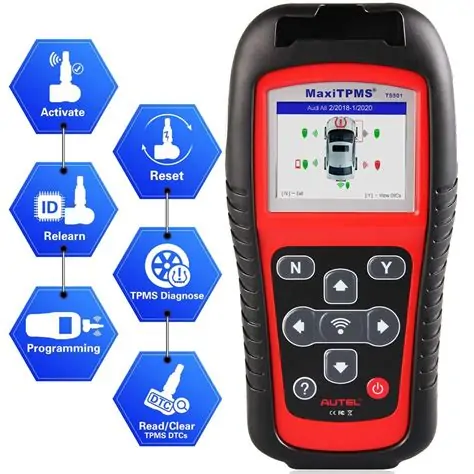
Learn about TPMS sensors, the necessity of activation tools, their types, usage, and the benefits they provide for vehicle maintenance.**Blog Title: TPMS Sensor Activation Tool**
In today’s automotive landscape, ensuring tire safety and optimal vehicle performance is more critical than ever. At the heart of this is the Tire Pressure Monitoring System (TPMS), which alerts drivers about tire pressure issues. However, simply having TPMS in place isn’t enough; these sensors often require activation after installation or service, leading to the necessity of TPMS activation tools. This blog post delves into the essentials of TPMS sensors, the importance of using activation tools, and the various types available. We’ll also guide you through the steps to effectively use these tools, highlighting the numerous benefits they bring to both mechanics and vehicle owners. Whether you’re a seasoned automotive professional or a DIY enthusiast, understanding these tools is essential for maintaining tire health and ensuring road safety.
What is a TPMS Sensor?
A TPMS (Tire Pressure Monitoring System) sensor is an essential component in modern vehicles designed to monitor the air pressure in each tire. The primary purpose of the TPMS is to provide real-time data to the driver about tire pressure, which can help prevent unsafe driving conditions, such as tire blowouts or reduced fuel efficiency due to under-inflated tires.
The TPMS sensors are typically located inside each tire, either mounted on the valve stem or enclosed within the tire itself, as part of the tire assembly. They utilize pressure sensors that detect changes in tire pressure and transmit this information to the vehicle’s onboard computer system. This allows the driver to receive alerts via a dashboard indicator light when tire pressure falls below the manufacturer-recommended levels.
There are two primary types of TPMS sensors:
- Direct TPMS: This system uses individual tire pressure sensors to monitor the pressure each tire individually and provides accurate readings.
- Indirect TPMS: This system does not use physical sensors in the tires. Instead, it monitors the vehicle’s wheel speed data to infer tire pressure changes.
Most modern vehicles are equipped with TPMS due to safety regulations, making it a critical feature for maintaining proper tire health and ensuring driver safety. By keeping a close eye on tire pressure with the help of the TPMS, drivers can improve the overall performance of their vehicles, enhance fuel efficiency, and prolong the life of their tires.
The Need for Activation Tools
In the realm of automotive technology, TPMS sensors (Tire Pressure Monitoring System sensors) play a crucial role in enhancing vehicle safety and efficiency. These sensors monitor tire pressure and provide real-time data to the driver. However, to ensure proper functionality and accuracy, it is essential to utilize activation tools during the installation or servicing of TPMS sensors.
Why are TPMS Activation Tools Necessary?
- Initialization: After replacing or servicing TPMS sensors, they often need to be activated to communicate with the vehicle’s onboard computer. Activation tools enable this crucial step.
- Programming: Some TPMS sensors require programming to recognize new sensors or specific vehicle types. Activation tools allow technicians to program sensors effectively.
- Data Retrieval: Activation tools can also retrieve and display vital information from the TPMS sensors, such as tire pressure readings, battery status, and identification numbers.
- Convenience: With the use of activation tools, technicians can quickly diagnose potential issues or failures in the TPMS system, reducing the time taken for repairs and increasing customer satisfaction.
For those working in the automotive service industry, investing in a quality TPMS activation tool is not just an option; it’s a necessity for maintaining a well-functioning wheel tire pressure monitoring system. These tools enhance efficiency and ensure that the car operates safely with optimal tire pressure.
As technology continues to advance, the evolving standards for TPMS sensors also call for advanced activation tools to keep up with the demands of modern vehicles. Choosing the right tools is vital for any automotive professional aiming to deliver top-notch service.
In the world of automotive maintenance, precision and safety go hand in hand. Activation tools ensure that every TPMS sensor performs perfectly, safeguarding drivers and reducing unnecessary risks.
Types of TPMS Activation Tools
A TPMS (Tire Pressure Monitoring System) activation tool is essential for calibration, programming, and reactivating tire sensors. Depending on the requirements of the vehicle and the level of functionality needed, there are various types of TPMS activation tools available on the market. Below are the main categories:
1. Handheld TPMS Tools
Handheld tools are portable and user-friendly, often favored by individual mechanics and DIY enthusiasts. They can perform the essential functions of activating and programming TPMS sensors.
2. OBDII TPMS Tools
These tools plug directly into a vehicle’s OBDII port, allowing for easy communication with the car’s onboard systems. They can read sensor IDs and program new sensors without the need for extra steps.
3. Dedicated TPMS Scanners
These are advanced scanning tools specifically designed for tire monitoring systems. They provide deep diagnostics and detailed information on all sensors, making them ideal for professional auto repair shops.
4. Universal TPMS Tools
Universal tools support multiple vehicle makes and models and can be updated regularly to include new brands. They are versatile but may require additional programming for certain models.
5. TPMS Sensor Programming Tools
These are specialized tools that allow for the programming of TPMS sensors directly, ensuring that each sensor is configured to the specific vehicle’s requirements.
| Type of Tool | Key Features | Ideal For |
|---|---|---|
| Handheld TPMS Tools | Portable, Easy to Use | DIY Mechanics |
| OBDII TPMS Tools | Direct OBDII Connection | Auto Technicians |
| Dedicated TPMS Scanners | Detailed Diagnostics | Professional Shops |
| Universal TPMS Tools | Supports Multiple Vehicles | All-around Technicians |
| TPMS Sensor Programming Tools | Directly Programs Sensors | Advanced Technicians |
Each type of TPMS activation tool serves its purpose, and choosing the right one depends on your specific needs and technical skills. Whether you’re a DIY enthusiast or a professional mechanic, understanding these tools is critical for efficient and effective TPMS maintenance.
How to Use a TPMS Activation Tool
Using a TPMS activation tool is crucial for properly configuring and maintaining your Tire Pressure Monitoring System (TPMS). This process ensures that the system can accurately monitor tire pressure and alert the driver to any issues. Here’s a detailed guide on how to use these tools effectively:
Step-by-Step Instructions
- Gather Necessary Equipment: Before starting, ensure you have the TPMS activation tool, a compatible vehicle, and the necessary safety equipment, such as gloves and goggles.
- Turn on Your Vehicle: Start your vehicle to power the TPMS system. This allows the activation tool to communicate with the TPMS sensors.
- Locate the TPMS Activation Tool: Position yourself comfortably to use the TPMS activation tool, ensuring it is easily accessible while maintaining a safe workspace.
- Scan for Sensors: Use the activation tool to scan for the TPMS sensors in each tire. The tool should display the sensor IDs as it identifies them.
- Activate the Sensors: Follow the instructions specific to your TPMS activation tool. Generally, you will need to press a button or use a specific setting to activate the sensors. Wait for the tool to confirm that the sensors are activated.
- Check Readings: Once the sensors are activated, check the tire pressure readings displayed on the tool. Ensure that all readings are within the manufacturer-specified range.
- Reset the TPMS System: After confirming the tire pressures are correct, use the TPMS activation tool to reset the monitoring system. This action will ensure accurate readings in the future.
- Final Check: Turn off the vehicle and then restart it. Make sure that the TPMS warning light on the dashboard is off, confirming that the sensors are functioning correctly.
Safety Tips
- Always wear appropriate safety gear while working with vehicles.
- Refer to the vehicle’s owner manual for specific instructions relating to your TPMS and activation tool.
- If unsure about any step, consult a professional technician.
Regular maintenance of your TPMS ensures safety and optimal performance, making the use of a TPMS activation tool a vital part of vehicle care. – Automotive Expert
By following these steps, you can efficiently use a TPMS activation tool to keep your vehicle’s tire pressure monitoring system in top shape, ensuring safer driving experiences.
Benefits of Using TPMS Activation Tool
The TPMS Activation Tool plays a vital role in the maintenance and functionality of your vehicle’s Tire Pressure Monitoring System (TPMS). Utilizing this tool offers several advantages, ensuring not only the efficiency of your car’s systems but also enhancing overall safety on the road. Here are some compelling benefits of using a TPMS activation tool:
- Improved Safety: A properly functioning TPMS alerts drivers to under-inflated or over-inflated tires, which can significantly reduce the risk of tire blowouts and accidents.
- Enhanced Tire Performance: Regular activation of the TPMS ensures accurate tire pressure readings, leading to optimized tire performance, improved fuel efficiency, and extended tire life.
- Quick and Accurate Valve Recognition: The activation tool allows for quick identification and programming of the sensor valves, making the tire service process faster and more efficient.
- Simplified Sensor Management: The ability to easily activate and reset TPMS sensors streamlines the management of tire pressure monitoring, especially for professional tire technicians.
- Cost-Effectiveness: By using a TPMS activation tool, you can avoid unnecessary visits to the mechanic, saving time and money in the long run.
Moreover, using a TPMS activation tool can lead to:
| Benefit | Description |
|---|---|
| Real-Time Monitoring | Allows for real-time monitoring and troubleshooting, promoting long-term tire upkeep. |
| Adaptability | Compatible with various vehicle makes and models. |
| User Friendliness | Designed for easy use, even for non-professionals, which enables more vehicle owners to maintain their TPMS independently. |
In summary, utilizing a TPMS activation tool not only enhances tire safety and performance but also offers significant long-term benefits for drivers and vehicle maintenance professionals alike.
Frequently Asked Questions
What is a TPMS sensor activation tool?
A TPMS sensor activation tool is a device used to communicate with and activate tire pressure monitoring system (TPMS) sensors, allowing for the reading of tire pressure data and sensor status.
Why is it important to use a TPMS sensor activation tool?
Using a TPMS sensor activation tool is crucial for proper tire maintenance, as it ensures that the TPMS sensors are functioning correctly and helps in diagnosing any issues related to tire pressure monitoring.
How do you use a TPMS sensor activation tool?
To use a TPMS sensor activation tool, you typically connect the tool to the vehicle’s OBD-II port, then follow the manufacturer’s instructions to activate or program the sensors while they are mounted on the vehicle.
What are the common features of a TPMS sensor activation tool?
Common features of a TPMS sensor activation tool include the ability to read and reset TPMS fault codes, program new TPMS sensors, check sensor battery status, and display tire pressure readings.
Can I use a TPMS sensor activation tool on all vehicles?
Not all TPMS sensor activation tools are compatible with every vehicle; it’s important to check if the tool supports your vehicle’s make and model, as some may require specific software.
What should I consider when purchasing a TPMS sensor activation tool?
When purchasing a TPMS sensor activation tool, consider factors such as compatibility with various vehicles, ease of use, features offered, and user reviews to ensure it meets your needs.
How often should I use a TPMS sensor activation tool?
You should use a TPMS sensor activation tool whenever you change tires, replace TPMS sensors, or if your tire pressure warning light is on, to ensure proper functioning of the tire monitoring system.