
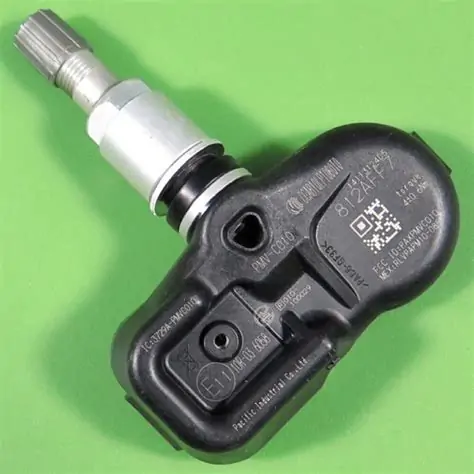
Discover the role of TPMS sensors, benefits of OEM, tips for choosing and maintaining them for optimal vehicle safety and performance.In today’s automotive landscape, safety and efficiency are paramount, making Tire Pressure Monitoring System (TPMS) sensors an essential component of modern vehicles. Particularly notable are the Toyota OEM TPMS sensors, designed specifically for Toyota models, which ensure optimal performance and reliability. Understanding what a TPMS sensor is and its significant role in maintaining tire health is crucial for every vehicle owner. With an emphasis on the importance of Original Equipment Manufacturer (OEM) parts, we can explore how these sensors enhance driving safety and efficiency. This blog post delves into the benefits of having TPMS sensors, offers guidance on selecting the right sensor for your Toyota, and provides essential installation and maintenance tips. Join us as we navigate through everything you need to know about Toyota OEM TPMS sensors and their vital role in keeping you safe on the road.
What is a TPMS sensor?
A TPMS (Tire Pressure Monitoring System) sensor is a crucial component in modern vehicles, designed to monitor the pressure of the tires in real-time. It plays a significant role in ensuring the safety and efficiency of driving by alerting the driver when tire pressure is outside recommended levels.
There are two types of TPMS sensors: direct and indirect. Let’s break down each type:
- Direct TPMS: This type of sensor is mounted directly inside each tire and provides real-time tire pressure readings. It uses radio signals to communicate with the vehicle’s onboard computer.
- Indirect TPMS: Instead of measuring tire pressure directly, indirect TPMS uses the vehicle’s anti-lock braking system (ABS) to monitor the rotation speed of each wheel. If a tire is under-inflated, it will rotate at a different speed than properly inflated tires, triggering a warning.
TPMS sensors are equipped with a battery and typically have a lifespan of about 5-10 years. They help prevent problems such as:
- Increased fuel consumption due to improper tire pressure.
- Reduced tire lifespan from excessive wear.
- Enhanced safety risks associated with tire blowouts.
In essence, the TPMS sensor serves as an early warning system, providing drivers with essential information that can save them money, enhance safety, and ensure a better driving experience. Understanding how these sensors work and their importance can lead to more informed decisions regarding vehicle maintenance and safety.
The importance of OEM
When it comes to automotive components, particularly TPMS sensors (Tire Pressure Monitoring System sensors), understanding the importance of OEM (Original Equipment Manufacturer) parts is crucial for vehicle owners and technicians alike. This post will delve into why using OEM TPMS sensors is essential for the functionality and reliability of your vehicle.
What are OEM Parts?
OEM parts are components made by the same manufacturer that built the original parts of a vehicle. For example, a Toyota OEM TPMS sensor is manufactured by Toyota or under their strict guidelines to meet specific standards.
Benefits of Using OEM TPMS Sensors
- Quality Assurance: OEM parts undergo rigorous testing and quality control measures, ensuring they meet high standards for performance and safety.
- Perfect Fit: Since they are made for specific models, OEM TPMS sensors provide a precise fit, ensuring proper function without compatibility issues.
- Warranty Protection: Using OEM parts often helps maintain your vehicle’s warranty, protecting your investment over time.
- Reliable Performance: OEM sensors are designed to work seamlessly with your vehicle’s existing systems, providing accurate readings and reducing the risk of false warnings.
Cons of Aftermarket Sensors
While aftermarket TPMS sensors can be cheaper, they may come with several downsides:
Inconsistent Quality: Many generic parts lack the stringent quality controls that OEM parts enjoy.
Poor Fit: Aftermarket sensors may not fit perfectly, leading to potential issues like malfunction or improper readings.
Conclusion
In summary, choosing a Toyota OEM TPMS sensor over an aftermarket alternative is an investment in quality, fit, and reliability. When it comes to the safety and performance of your vehicle, opting for OEM components should be a top priority.
Benefits of having TPMS sensors
Tire Pressure Monitoring System (TPMS) sensors are crucial components in modern vehicles that enhance safety and performance on the road. Below are the key benefits of having TPMS sensors:
- Enhanced Safety: TPMS sensors continuously monitor the tire pressure and alert the driver when it falls below a certain threshold. This helps prevent blowouts and ensures stable vehicle handling.
- Improved Fuel Efficiency: Maintaining optimal tire pressure is essential for fuel efficiency. Under-inflated tires can lead to increased rolling resistance, resulting in higher fuel consumption. TPMS sensors help maintain the correct tire pressure, which can lead to considerable savings at the pump.
- Extended Tire Life: Properly inflated tires wear evenly and last longer. By regularly checking tire pressure through TPMS, drivers can avoid premature tire wear, extending the life of their tires.
- Environmental Benefits: With better fuel efficiency and longer-lasting tires, it helps reduce carbon emissions. Maintaining proper tire pressure contributes to a more eco-friendly driving experience.
- Convenience: The TPMS sensors provide real-time data on tire health, eliminating the need for manual tire pressure checks. This convenience allows drivers to focus more on the road and less on vehicle maintenance.
In summary, the advantages of having TPMS sensors in your vehicle manifest in various ways, promoting safety, efficiency, and convenience. Investing in vehicles equipped with these sensors or retrofitting your current vehicle can have a significant impact on your overall driving experience.
How to choose the right sensor
When it comes to replacing your TPMS sensor, choosing the right one is crucial for ensuring the safety and functionality of your vehicle. Here are several factors to consider:
- Compatibility: Ensure that the sensor is compatible with your vehicle’s make and model. Refer to your owner’s manual or a trusted database to find the correct specifications.
- Sensor Type: There are primarily two types of TPMS sensors: direct and indirect. Direct sensors measure the tire pressure directly, while indirect sensors infer pressure levels from the vehicle’s ABS system. Know which type your vehicle uses.
- OEM vs. Aftermarket: Original Equipment Manufacturer (OEM) sensors are designed specifically for your vehicle. Choose OEM for precise fit and optimal performance as they meet the manufacturer’s standards.
- Battery Life: Different sensors have varying battery lives. Check the specifications for battery life to avoid frequent replacements.
- Brand Reputation: Research the brand that manufactures the TPMS sensor. Look for reviews and feedback from other consumers to ensure reliability and performance.
- Ease of Installation: Some sensors are easier to install than others. If you’re opting for a DIY approach, consider how user-friendly the installation process is.
Here’s a quick comparison of OEM versus aftermarket sensors:
| Feature | OEM Sensors | Aftermarket Sensors |
|---|---|---|
| Compatibility | Perfect fit for specific models | May vary by brand |
| Quality | Manufactured to high standards | Quality can be inconsistent |
| Price | Generally more expensive | Usually cheaper |
| Warranty | Often comes with a warranty | Warranties vary |
Considering these factors will help you make an informed decision when selecting the right TPMS sensor for your vehicle. Remember, investing in quality components will ultimately enhance your driving experience and ensure safety on the road.
Installation and maintenance tips
When it comes to ensuring the proper functioning of your Toyota OEM TPMS sensor, following the right installation and maintenance procedures is crucial. Here are some essential tips to guide you:
Installation Tips
- Read the Manual: Always refer to the vehicle’s service manual for specific instructions related to installing the TPMS sensor. Each model may have different requirements.
- Use OEM Components: Ensure that you are using OEM TPMS sensors for your Toyota. This guarantees compatibility and optimal performance.
- Proper Alignment: Make sure the sensor is properly aligned with the valve stem during installation to prevent any leaks or operational issues.
- Tighten Securely: Tighten the sensor and valve stem according to the recommended torque settings to avoid damage.
- Check for Leaks: After installation, always perform a leak check to ensure there are no air leaks from the sensor or valve stem.
Maintenance Tips
- Regular Inspections: Regularly inspect your TPMS sensors and tires for wear and tear. Look for any damage or corrosion.
- Battery Replacement: Be aware that TPMS sensors have a battery life. If you notice a warning light on your dashboard, it may be time to replace the battery.
- Check Tire Pressure: Ensure that your tire pressure is checked regularly. Low tire pressure can negatively impact TPMS performance.
- Routine Calibration: It’s essential to recalibrate your TPMS after tire rotation or replacement to ensure accuracy.
- Software Updates: Occasionally check for software updates on your vehicle’s TPMS system, as these updates can enhance performance and accuracy.
By following these installation and maintenance tips, you can ensure that your Toyota OEM TPMS sensor functions correctly and efficiently, helping to keep your tires in top shape and enhancing your overall driving safety.
Frequently Asked Questions
What is a Toyota OEM TPMS sensor?
A Toyota OEM TPMS (Tire Pressure Monitoring System) sensor is an original equipment manufacturer product designed to monitor the air pressure in a vehicle’s tires for safety and performance.
Why is it important to use an OEM TPMS sensor?
Using an OEM TPMS sensor ensures compatibility with your vehicle’s systems, providing accurate readings and reliable performance compared to aftermarket alternatives.
How do I know if my Toyota needs a new TPMS sensor?
You may need a new TPMS sensor if the warning light on your dashboard is illuminated, or if you experience inconsistent tire pressure readings.
Can I replace a TPMS sensor myself?
Yes, replacing a TPMS sensor can be done at home with the right tools, but it may require specific programming or calibration that is best handled by professionals.
How much does a Toyota OEM TPMS sensor typically cost?
The cost of a Toyota OEM TPMS sensor can vary depending on the model and year of the vehicle, but they generally range from $50 to $200 each.
Will a new TPMS sensor require reprogramming?
Yes, most vehicles will require the new TPMS sensor to be reprogrammed to the vehicle’s computer system to function correctly.
How can I maintain my TPMS sensors?
To maintain your TPMS sensors, check tire pressure regularly, ensure the sensors are properly installed, and replace batteries as needed, typically every 5-7 years.