
Discover the essentials of TPMS sensors, their relearning importance, step-by-step guidance, common issues, and benefits of correctly relearned sensors for safe driving.Properly functioning Tire Pressure Monitoring System (TPMS) sensors are essential for maintaining vehicle safety and performance. However, there are times when these sensors may need to be relearned, especially after tire rotations, replacements, or seasonal changes. In this blog post, we’ll delve into the intricacies of TPMS sensor relearning, starting with an understanding of how these sensors operate and their crucial role in vehicle safety. We’ll discuss the importance of successfully relearning TPMS sensors, guide you through the necessary steps, and address common issues that may arise during the process. Finally, we’ll highlight the benefits of ensuring that your TPMS sensors are properly relearned, empowering you to drive with confidence and peace of mind. Let’s get started on this journey towards safer and more efficient driving!
Understanding TPMS sensors
Tire Pressure Monitoring System (TPMS) sensors are crucial components of modern vehicles, designed to monitor the air pressure inside your tires. These sensors provide real-time data to the driver, alerting them when tire pressure is below the recommended levels, which is essential for safety and efficiency on the road.
There are two main types of TPMS:
- Direct TPMS: This type uses pressure sensors located inside each tire to directly measure air pressure and transmit this information to the vehicle’s onboard computer.
- Indirect TPMS: Rather than measuring tire pressure directly, this system utilizes the vehicle’s ABS and wheel speed sensors to estimate tire pressure based on the rotational speed of the tires.
Understanding how these sensors work is vital for any vehicle owner. Proper functioning TPMS sensors can help reduce tire wear, improve fuel efficiency, and enhance overall vehicle safety. When the air pressure in one or more tires drops significantly, the TPMS sends a warning light to the driver, indicating the need for immediate attention.
Furthermore, the importance of maintaining correct tire pressure cannot be overstated. Under-inflated tires can lead to poor handling, increased tire wear, and higher chances of a blowout, while over-inflated tires can cause reduced traction and an uncomfortable ride. As such, staying informed about the status of your tires through the TPMS can significantly impact your driving experience.
In summary, understanding TPMS sensors involves recognizing their types, functions, and impact on vehicle safety and performance. Having a well-functioning TPMS is not just a convenience but a necessity for all modern drivers.
Importance of TPMS relearning
The Tire Pressure Monitoring System (TPMS) is a critical safety feature in modern vehicles. Its primary function is to monitor the air pressure in your tires, alerting you when they are under-inflated. However, sometimes changes such as tire rotations, replacements, or even changes in tire type can necessitate a process called TPMS relearning. This process ensures that the system is accurately calibrated and functioning correctly.
Why is TPMS Relearning Important?
- Safety: Proper tire pressure is essential for safe driving. An improperly calibrated TPMS can fail to alert drivers to low tire pressure, increasing the risk of blowouts and accidents.
- Fuel Efficiency: Correctly inflated tires contribute to better fuel economy. TPMS relearning ensures the sensors accurately reflect the changes, preventing unnecessary fuel wastage.
- Vehicle Performance: The handling characteristics of a vehicle are directly affected by tire pressure. Relearning allows the TPMS to effectively communicate any pressure variances, contributing to optimal performance.
When is TPMS Relearning Necessary?
There are several scenarios when you may need to perform TPMS relearning:
- After rotating tires.
- When replacing or adding new tires.
- Following tire repairs.
- When the TPMS warning light activates despite proper tire pressure.
Relearning the TPMS is not just a maintenance task; it’s a crucial step towards ensuring your vehicle’s and your own safety.
In conclusion, the importance of TPMS relearning cannot be overstated. It plays a vital role in maintaining tire safety, enhancing vehicle performance, and supporting fuel efficiency.
Steps to relearning TPMS sensors
Relearning TPMS sensors can seem daunting, but it is a straightforward process if you follow the right steps. Properly relearning your TPMS sensors ensures that your vehicle’s tire pressure monitor system accurately reflects tire conditions. Here’s a detailed guide on how to correctly go through the relearning process:
- Gather the Necessary Tools
- TPMS scan tool or diagnostic tool
- Owner’s manual for your vehicle
- Pneumatic pressure gauge
- Ensure Proper Tire Pressure
Before you begin, make sure all tires are inflated to the recommended pressure indicated in your vehicle’s owner’s manual or on the tire placard. This step is critical for accurate sensor readings.
- Locate the TPMS Reset Button
In many vehicles, there is a TPMS reset button usually located under the steering wheel or in the glove box. Check your owner’s manual if you’re unsure where it is.
- Turn On the Ignition
Do not start the car; simply turn the ignition to the ON position to power on the vehicle’s electrical systems without starting the engine.
- Press the TPMS Reset Button
Press and hold the TPMS reset button until the TPMS indicator light on the dashboard blinks three times. This indicates that the system is entering relearning mode.
- Use the TPMS Scan Tool
If your vehicle requires it, use the TPMS scan tool to scan each tire according to the manufacturer’s instructions. Follow on-screen prompts to enter the relearning mode.
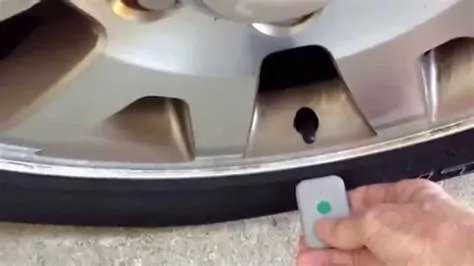
- Relearn Each Tire Sensor
Starting from the left front tire, use the tool to activate the sensor by either putting the tool close to the tires or by inflating to the recommended limit (this can vary by vehicle). Repeat for all tires in the following sequence:
Tire Position Relearn Order Left Front 1 Right Front 2 Right Rear 3 Left Rear 4 - Check for Proper Functionality
After relearning the sensors, check the dashboard for the TPMS light. If the light turns off, your TPMS has been successfully relearned. If it stays on, there may be an issue with one of the sensors.
- Test Drive
Finally, take your vehicle for a short drive of about 10 to 15 minutes. This allows the system to recalibrate and confirm that the sensors are functioning correctly.
By following these steps, you can ensure that your TPMS sensors are properly relearned, keeping your tire monitoring system in optimal condition.
Common issues during relearning
Relearning TPMS sensors is a necessary process to ensure that your vehicle’s Tire Pressure Monitoring System functions correctly. However, this process is not always seamless. Below are some of the common issues that drivers may encounter during the relearning process:
- Incorrect Sensor Placement: One of the most common problems occurs when the TPMS sensors are not properly placed on the correct wheel. This can lead to inaccurate readings and a failure in the system.
- Weak or Dead Battery: A weakened or dead battery in the TPMS sensor can prevent it from communicating with the vehicle’s system. This may require sensor replacement.
- Faulty or Incompatible Sensors: Installing a faulty or incompatible TPMS sensor can cause issues during relearning. Ensure that the sensors used are compatible with your vehicle.
- Environmental Factors: Extreme temperatures or interference from electronic devices can impact the signal strength of the TPMS sensors, making relearning challenging.
- Failure to Follow Manufacturer Instructions: Each vehicle model may have different procedures for relearning TPMS sensors. Failing to adhere to the specific instructions can lead to unsuccessful relearning.
Recognizing these common issues can save time and prevent frustration during the relearning process. If you experience any of these problems, it may be helpful to consult a professional or refer to the vehicle’s manual for guidance.
Benefits of properly relearned TPMS sensors
Properly relearning TPMS sensors offers a myriad of benefits for both vehicle safety and performance. The Tire Pressure Monitoring System plays a crucial role in ensuring that your tires are adequately inflated, which directly impacts your vehicle’s handling and fuel efficiency. Here are some key benefits of having your TPMS sensors correctly relearned:
- Enhanced Safety: Correctly functioning TPMS sensors ensure that tire pressure is continuously monitored. This helps prevent tire blowouts and improves overall vehicle safety.
- Improved Fuel Efficiency: Proper tire pressure contributes to optimal fuel efficiency. By ensuring your TPMS sensors are accurately calibrated, you can maximize your vehicle’s mileage.
- Extended Tire Life: Maintaining the right tire pressure helps in evenly distributing wear on tires, which extends their lifespan significantly.
- Reduced Emissions: When tires are properly inflated, a vehicle operates more efficiently, which leads to lower emissions. This is beneficial for environmental health and can also help in passing emissions tests.
- Accurate Performance Monitoring: With well-relearned TPMS sensors, you can accurately assess tire conditions and performance, allowing for timely interventions when issues arise.
In summary, the benefits of having properly relearned TPMS sensors extend beyond mere convenience; they significantly contribute to the safety, performance, and longevity of your vehicle. Regular maintenance and proper relearning procedures are essential for maximizing these benefits.
Frequently Asked Questions
What is a TPMS sensor?
A Tire Pressure Monitoring System (TPMS) sensor is a device that monitors the air pressure in a vehicle’s tires and alerts the driver when the pressure is too low.
Why is it important to relearn a TPMS sensor?
Relearning a TPMS sensor is important because it ensures that the sensor communicates correctly with the vehicle’s onboard computer after tire rotations, replacements, or other maintenance activities.
What are the steps to relearn a TPMS sensor?
The steps usually involve ensuring the tires are properly inflated, using a TPMS tool to access the vehicle’s system, and following the prompted instructions to complete the relearning process.
Can I relearn the TPMS sensor without a professional?
Yes, many vehicles allow for DIY relearning of the TPMS sensors using a specific procedure, but it may require a TPMS reset tool for some models.
What tools do I need to relearn a TPMS sensor?
Tools may include a TPMS diagnostic tool, a tire pressure gauge, and sometimes the vehicle’s owner manual for specific relearning instructions.
How often should I relearn my TPMS sensor?
You should relearn your TPMS sensor whenever you change tires, rotate them, or if you receive a warning light regarding tire pressure.
What happens if I don’t relearn my TPMS sensor?
If you don’t relearn your TPMS sensor, it may not provide accurate tire pressure readings, which can lead to improper tire inflation and affect vehicle safety.