
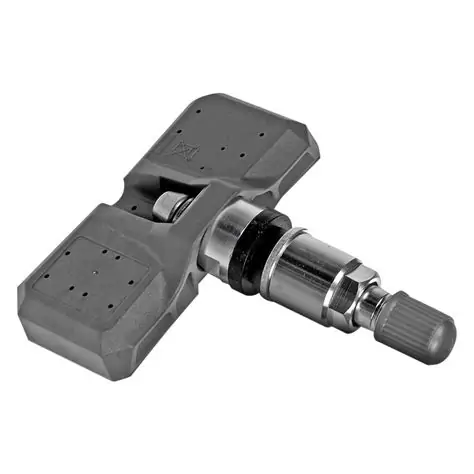
Discover everything about TPMS sensors: when to replace, how to choose, DIY replacement guide, and the benefits of a new TPMS sensor.If you’re a Honda owner, you may have heard of the Tire Pressure Monitoring System (TPMS) and its crucial role in maintaining your vehicle’s safety and performance. Understanding the TPMS sensor is vital, as it alerts you when your tire pressure is too low, which can prevent potential accidents and enhance fuel efficiency. However, like all components, TPMS sensors can wear out or malfunction over time, raising the question of when to replace them. In this blog post, we’ll guide you through the essential steps of selecting the right replacement, whether you choose to tackle the job yourself or seek professional help. Additionally, we’ll explore the benefits that a new TPMS sensor can bring to your driving experience, ensuring peace of mind on the road. Let’s dive in and keep your Honda running smoothly!
Understanding the TPMS Sensor
The Tire Pressure Monitoring System (TPMS) is an essential safety feature in modern vehicles, including Honda models. This system is designed to monitor the air pressure inside your vehicle’s tires and alert you if the pressure drops below a certain threshold. Understanding how the TPMS works and its components can help you maintain optimal tire health and enhance your overall driving experience.
How Does the TPMS Work?
The TPMS operates by using either direct or indirect methods:
- Direct TPMS: This system uses sensors mounted on each tire. These sensors measure the actual tire pressure and send real-time data to the vehicle’s onboard computer. If the pressure falls below a specified level, a warning light illuminates on the dashboard.
- Indirect TPMS: Instead of using dedicated sensors, this system relies on the vehicle’s ABS (anti-lock braking system) sensors. It measures the rotational speed of each tire and detects discrepancies that usually indicate low tire pressure. When a tire is under-inflated, its diameter decreases, causing it to rotate faster than properly inflated tires.
Why is TPMS Important?
The importance of a functioning TPMS cannot be overstated. Here are some key benefits:
- Safety: Maintaining proper tire pressure improves vehicle handling and reduces the likelihood of blowouts.
- Fuel Efficiency: Correct tire pressure ensures that the vehicle uses fuel efficiently, saving you money at the pump.
- Tire Longevity: Properly inflated tires last longer, reducing the frequency of replacements and potentially costly repairs.
Common TPMS Sensor Issues
Like any automotive component, TPMS sensors can experience issues over time. Some common problems include:
- Battery Depletion: Most TPMS sensors have a battery life of about 5 to 7 years. Once the battery dies, the sensor will need to be replaced.
- Damage from Road Hazards: Tire sensors can be damaged from impacts, potholes, or irregular tire wear.
- Corrosion: Over time, moisture can corrode the sensor or its components, leading to malfunction.
Understanding these aspects of the TPMS can greatly enhance your ability to maintain your vehicle, ensuring that you can spot potential issues before they become serious problems. Hence, regular monitoring of your TPMS is essential for safe and efficient driving.
When to Replace TPMS Sensor
The Tire Pressure Monitoring System (TPMS) is crucial for maintaining safe driving conditions and enhancing the longevity of your tires. Knowing when to replace the TPMS sensor is essential for vehicle safety and optimal tire performance. Here are some key signs to look for:
- Warning Light: If the TPMS warning light illuminates on your dashboard, it may indicate that the sensor needs to be replaced. This warning light signifies that at least one tire is significantly under-inflated or that the TPMS sensor itself is malfunctioning.
- Frequent Pressure Alerts: If you’re receiving consistent alerts about tire pressure issues, even after checking and adjusting them, this could signal a failing TPMS sensor.
- Sensor Age: Most TPMS sensors have a lifespan of approximately 5 to 10 years or around 100,000 miles. If your vehicle is nearing this mileage, it’s wise to consider replacement.
- Physical Damage: Any visible damage to the tire or sensor, such as corrosion, cracks, or breakage, warrants an immediate assessment and possible replacement of the TPMS sensor.
Keeping an eye on these indicators can help you know when it’s time to replace your TPMS sensor. A timely replacement ensures that your vehicle’s tire pressure monitoring system functions effectively, contributing to your overall safety on the road.
Choosing the Right TPMS Sensor Replacement
When it comes to maintaining the safety and performance of your vehicle, choosing the right TPMS (Tire Pressure Monitoring System) sensor replacement is essential. A TPMS sensor monitors the air pressure in your tires and alerts you if any tire is under-inflated, ensuring optimal driving conditions. Here’s what you should consider when selecting the replacement:
1. Compatibility with Your Vehicle
Make sure the TPMS sensor you choose is compatible with your Honda model. Different models may require specific sensors. You can find this information in the vehicle’s owner manual or by consulting with a mechanic.
2. Wired vs. Wireless Sensors
Most newer vehicles, including many Honda models, use wireless TPMS sensors that communicate with the car’s onboard computer. Ensure you select the correct type based on your vehicle’s specifications.
3. OEM vs. Aftermarket Sensors
When replacing your TPMS sensor, you have two options: OEM (Original Equipment Manufacturer) sensors or aftermarket sensors. OEM sensors typically offer better reliability and compatibility, while aftermarket options may be more budget-friendly. Here’s a quick comparison:
| Feature | OEM Sensors | Aftermarket Sensors |
|---|---|---|
| Cost | Higher | Lower |
| Compatibility | Perfect fit | Variable |
| Durability | High | Variable |
4. Battery Life
Since most TPMS sensors are battery-powered, consider the battery life of the sensor you are purchasing. A sensor with a longer battery life will save you from frequent replacements.
5. Sensor Features
Some TPMS sensors come with advanced features like temperature monitoring and integration with mobile apps. Evaluate if these features are worth the extra cost for your needs.
6. Warranty and Support
Before making a purchase, check for a warranty on the sensor. A good warranty can provide peace of mind and protect your investment should anything go wrong.
Overall, understanding your options when choosing the right TPMS sensor replacement can greatly enhance your driving experience while ensuring safety on the road. Take your time to research, consult with professionals if needed, and select the best sensor for your Honda.
DIY TPMS Sensor Replacement Guide
Replacing the TPMS sensor (Tire Pressure Monitoring System sensor) in your Honda can seem daunting, but with the right tools and guidance, you can do it yourself! This guide walks you through each step of the process, ensuring that you confidently replace your TPMS sensor.
Tools You Will Need:
- Jack and jack stands
- Tire removal tool or wrench
- New TPMS sensor
- Torque wrench
- Vehicle manual (for specific instructions)
Steps to Replace Your TPMS Sensor:
- Prepare Your Vehicle:
- Park your Honda on a flat surface.
- Engage the parking brake.
- Loosen the lug nuts on the wheel where you will replace the sensor.
- Lift Your Vehicle:
- Using a jack, lift the vehicle and secure it with jack stands.
- Ensure the vehicle is stable before proceeding.
- Remove the Wheel:
- Completely remove the lug nuts and take off the wheel.
- Locate the TPMS Sensor:
- The sensor is usually mounted on the inner side of the wheel, attached to the valve stem.
- Remove the Old Sensor:
- Disconnect the sensor from the valve stem and wire harness.
- Remove any retaining screws or clips, if present.
- Install the New TPMS Sensor:
- Position the new TPMS sensor in place, making sure it is properly seated.
- Reconnect the wire harness and secure the sensor with screws or clips.
- Reassemble the Wheel:
- Place the wheel back onto the hub.
- Hand tighten the lug nuts before lowering the vehicle.
- Lower the Vehicle:
- Remove the jack stands and lower the vehicle back to the ground.
- Tighten the Lug Nuts:
- Using a torque wrench, tighten the lug nuts to the manufacturer’s specified torque settings as indicated in your vehicle manual.
- Reset the TPMS System:
- Refer to your vehicle manual for procedures on resetting the TPMS light. This usually involves turning the ignition to on without starting the engine and pressing the TPMS reset button.
By following these simple steps, you can successfully replace the TPMS sensor on your Honda, ensuring you maintain proper tire pressure and enhance safety on the road. Good luck!
Benefits of New TPMS Sensor
Upgrading your vehicle’s tire pressure monitoring system (TPMS) with a new sensor offers several significant advantages that go beyond basic functionality. Here, we explore the key benefits of investing in a new TPMS sensor for your Honda.
1. Enhanced Safety
A functioning TPMS sensor is critical for maintaining optimal tire pressure, which is essential for safe driving. By replacing an old or malfunctioning sensor, you ensure that your tires are always correctly inflated, reducing the risk of tire blowouts and improving overall vehicle stability.
2. Improved Fuel Efficiency
Properly inflated tires contribute to better fuel efficiency. When your tires are at the recommended pressure, your vehicle operates more efficiently, thus conserving fuel and saving you money at the pump.
3. Increased Tire Longevity
When tire pressure is consistently regulated by a new TPMS sensor, it minimizes uneven tire wear. This means your tires will last longer, ultimately saving you money on replacements in the long run.
4. Accurate Monitoring and Alerts
New TPMS sensors come equipped with advanced technology that offers precise monitoring of tire pressures. This means you will receive timely alerts when your tire pressure falls below safe levels, allowing you to address issues before they escalate.
5. Convenience and Peace of Mind
Having a reliable TPMS sensor means you can drive with confidence, knowing that your vehicle is maintaining safe tire pressure. You won’t have to constantly check the pressure manually, as the system will keep you informed.
6. Compatibility with Advanced Technologies
Modern TPMS sensors are designed to be compatible with evolving automotive technologies. If your Honda has features like active safety systems, a new TPMS sensor can integrate seamlessly, ensuring that all systems are working together effectively.
7. Resale Value Increase
Investing in new sensors can enhance your vehicle’s resale value. A well-maintained TPMS system indicates to potential buyers that you have taken care of your vehicle, making it more appealing and potentially increasing its market value.
Summary of Benefits
| Benefit | Description |
|---|---|
| Enhanced Safety | Reduces risk of tire blowouts and enhances vehicle stability. |
| Improved Fuel Efficiency | Helps save money on fuel through better tire inflation. |
| Increased Tire Longevity | Minimizes uneven wear, leading to longer tire life. |
| Accurate Monitoring | Provides precise pressure monitoring with timely alerts. |
| Convenience | Reduces the need for manual pressure checks. |
| Compatibility | Integrates well with modern automotive technologies. |
| Resale Value Increase | Indicates good vehicle maintenance, attracting buyers. |
In summary, the benefits of a new TPMS sensor are numerous and impactful. From safety and efficiency to enhanced vehicle value, investing in this essential component is a wise choice for Honda owners.
Frequently Asked Questions
What does TPMS stand for?
TPMS stands for Tire Pressure Monitoring System, which helps monitor the air pressure in your vehicle’s tires.
Why would I need to replace my TPMS sensor?
You may need to replace your TPMS sensor if it becomes faulty, the battery dies, or if you have a tire changed or replaced.
How do I know if my TPMS sensor is malfunctioning?
Signs of a malfunctioning TPMS sensor include a warning light on your dashboard, irregular tire pressure readings, or an inability to reset the system.
Can I replace the TPMS sensor myself?
Yes, you can replace the TPMS sensor yourself if you have the right tools and follow the proper procedures, but it may be easier and safer to have it done by a professional.
Do I need to reprogram my TPMS sensor after replacement?
Yes, most vehicles require the TPMS sensor to be reprogrammed after replacement to ensure it communicates correctly with the car’s onboard system.
What tools are required to replace a TPMS sensor?
You typically need basic tools such as a tire iron, a valve core tool, a torque wrench, and a TPMS sensor tool for reprogramming.
How much does it typically cost to replace a TPMS sensor on a Honda?
The cost to replace a TPMS sensor on a Honda can range from $50 to $100 for parts and labor, depending on the model and service provider.