
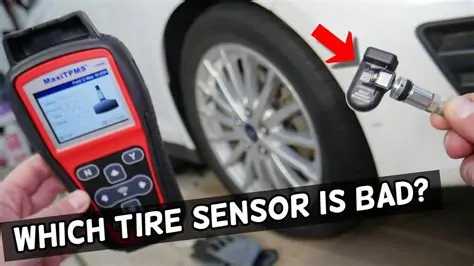
Learn about TPMS sensor functions, signs of malfunction, diagnosis, testing, and replacement tips to ensure your vehicle’s tire pressure safety.When it comes to maintaining your vehicle’s safety and performance, understanding the Tire Pressure Monitoring System (TPMS) is crucial. TPMS sensors play a vital role in alerting you to tire pressure issues, helping to prevent accidents and improve fuel efficiency. However, like any component, these sensors can fail or malfunction, leading to false warnings or a complete lack of alerts. In this blog post, we will explore how to determine if a TPMS sensor is bad, from recognizing common signs of failure to effective diagnostic techniques. We will also provide guidance on testing and ultimately replacing a faulty sensor, ensuring that your vehicle remains safe and road-ready. Join us as we delve into the world of TPMS sensors and empower you to take charge of your vehicle’s tire health.
Understanding TPMS Sensor Function
The Tire Pressure Monitoring System (TPMS) plays a critical role in maintaining vehicle safety and performance. It uses sensors mounted on each tire to monitor tire pressure, helping to ensure that your tires are inflated to the optimal levels. Here’s a closer look at how TPMS sensors function:
| Functionality | Description |
|---|---|
| Monitoring | Each TPMS sensor constantly checks the tire pressure and transmits this information to the vehicle’s onboard computer. |
| Alerting | If the pressure in any tire falls below a specified level, the system triggers a warning light on the dashboard, alerting the driver to check tire pressure. |
| Improving Safety | By ensuring that all tires are properly inflated, TPMS helps in reducing the risk of tire blowouts and improving gas mileage. |
Generally, there are two types of TPMS:
- Direct TPMS: Uses a sensor mounted inside the tire to measure actual tire pressure.
- Indirect TPMS: Relies on the vehicle’s Anti-lock Brake System (ABS) sensors to monitor changes in wheel speed, inferring pressure changes from these measurements.
Understanding the function of TPMS sensors can help vehicle owners take proactive measures in vehicle maintenance, ensuring both safety and optimal performance on the road.
Common Signs of a Bad TPMS Sensor
A Tire Pressure Monitoring System (TPMS) sensor plays a crucial role in ensuring your vehicle’s safety and efficiency by monitoring tire pressure and alerting you to any issues. However, like any other automotive component, TPMS sensors can fail. Here are some common signs that indicate a bad TPMS sensor:
- Illuminated TPMS Light: When the TPMS light on your dashboard is illuminated, it indicates that there is an issue with one or more of your tire pressure sensors. If the light persists even after inflating your tires to the recommended pressure, you may have a faulty sensor.
- Inaccurate Pressure Readings: If you notice that the pressure readings displayed on your dashboard are inconsistent with what you measure manually, this could indicate a malfunctioning sensor.
- Slow Leak Detection Problems: A functional TPMS is designed to detect slow leaks. If your TPMS fails to alert you of a gradual pressure drop, it may be due to a bad sensor.
- Frequent Warning Alerts: If you consistently receive warning alerts about tire pressure, even when your tires are adequately inflated, this may suggest a problem with the sensor itself.
- Age of the Sensor: If your vehicle’s TPMS sensors are older than 5-10 years, it is advisable to have them inspected. Older sensors are more prone to failure and inaccuracies.
If you observe any of these signs, it may be time to diagnose or replace your TPMS sensor to ensure safe driving conditions.
Diagnosing a Faulty TPMS Sensor
Tire Pressure Monitoring Systems (TPMS) are essential safety features in modern vehicles, designed to alert drivers when tire pressure is too low. However, like any electronic component, TPMS sensors can malfunction. Diagnosing a faulty TPMS sensor is crucial for maintaining vehicle safety and performance. Here are some common steps to identify a faulty TPMS sensor.
Common Symptoms of a Faulty TPMS Sensor
- Warning Light Activation: The most obvious sign of a faulty TPMS sensor is the activation of the dashboard warning light, which usually resembles a horseshoe shape with an exclamation mark.
- Inconsistent Readings: If the tire pressure readings on your dashboard are erratic or inaccurate, it could indicate a malfunctioning sensor.
- Complete Loss of Signal: In some cases, the TPMS may stop reading the tire pressure altogether, leading to a total signal loss.
Steps to Diagnose a Faulty TPMS Sensor
- Visual Inspection: Start by inspecting the tires and the TPMS sensors located on the valve stems. Look for any visible damage or corrosion, which could affect sensor performance.
- Check Tire Pressure: Use a manual tire pressure gauge to ensure that the tire pressure is at the manufacturer’s recommended levels. If the pressure is correct and the TPMS warning light is still on, further diagnosis is needed.
- Reset the TPMS: Sometimes, simply resetting the TPMS can resolve the issue. Follow your vehicle’s manual on how to reset the system and see if the warning light goes off.
- Use a TPMS Diagnostic Tool: Professional-grade tools can read the TPMS sensor data and indicate if any sensors are operating outside their normal range. These tools can also provide fault codes related to the TPMS.
Testing TPMS Sensors
If you have access to a TPMS tool, follow these steps:
- Attach the tool to the vehicle’s OBD II port.
- Select the appropriate TPMS option on the scanner.
- Observe the readings for each wheel; a significant difference in pressure or a completely absent reading indicates a potential faulty TPMS sensor.
In conclusion, diagnosing a faulty TPMS sensor involves observing warning signals, performing systematic checks and, if necessary, utilizing diagnostic tools. Identifying a malfunctioning sensor early on can prevent incorrect tire pressure and ensure your safety on the road.
Testing TPMS Sensors for Malfunction
The Tire Pressure Monitoring System (TPMS) plays a vital role in maintaining your vehicle’s safety and performance. Properly functioning TPMS sensors ensure that your tire pressures are monitored and maintained, thus providing vital information to prevent tire-related issues while driving. If you suspect that a TPMS sensor is malfunctioning, it’s key to perform tests to diagnose the problem accurately. Here’s a detailed guide on how to test TPMS sensors effectively:
1. Visual Inspection
- Start with a visual inspection of the tires and sensors. Look for any visible signs of damage such as cracks or corrosion.
- Check for signs of a deflated tire, which could indicate that the sensor might need attention.
2. Using a TPMS Tool
One of the most effective ways to test TPMS sensors is by utilizing a specialized TPMS tool. Here’s how:
- Connect the TPMS tool to the vehicle’s OBD-II port.
- Activate the tool and follow the prompts to read the TPMS information.
- The tool should display data showing the tire pressures and sensor IDs.
3. Checking Sensor Functionality
You can check the functionality of a TPMS sensor by:
- Deflating the tire slightly to see if the warning light on the dashboard activates.
- Reinflating the tire after a few minutes and confirming if the warning light deactivates.
4. Manual Activation
For some TPMS sensors, you can manually activate them using a magnet or a TPMS tool. This process involves:
- Locate and hold the TPMS reset button—usually found under the steering wheel or in the glove compartment.
- Use a strong magnet near the sensor while the button is pressed.
This manual activation can help determine if the sensor is responding at all.
5. Professional Testing
If you’re unable to ascertain the malfunction through the methods above, consider seeking professional help. Technicians have advanced diagnostic equipment that can accurately test and identify issues with TPMS sensors.
Common Indicators of a Bad TPMS Sensor
While testing, be aware of signs that indicate a faulty sensor:
- Warning light on the dashboard indicating low tire pressure.
- Inconsistent or incorrect tire pressure readings.
- Frequent alerts even when tires are properly inflated.
Testing TPMS sensors is a crucial step towards ensuring your vehicle’s safety. Consistent monitoring and maintenance can prevent more significant issues down the road. If in doubt, don’t hesitate to consult with a p
Replacing a Faulty TPMS Sensor
Replacing a faulty TPMS sensor is an essential task that car owners should be aware of to ensure their vehicle’s safety and efficiency. Here’s a detailed guide on how to replace a faulty TPMS sensor.
1. Gather Necessary Tools and Materials
Before starting the replacement process, make sure you have the following tools:
- TPMS Tool – To program the new sensor.
- Jack – To lift the vehicle securely.
- Wrench Set – For removing the wheel.
- Torque Wrench – To properly secure lug nuts.
- New TPMS Sensor – Ensure it is compatible with your vehicle model.
2. Safety First
Always prioritize safety:
- Park the vehicle on a level surface.
- Engage the parking brake.
- Wear protective glasses and gloves.
3. Remove the Wheel
Using the wrench set, loosen the lug nuts of the wheel where the faulty TPMS sensor is located. Use the jack to raise the car and remove the wheel completely.
4. Locate the TPMS Sensor
The TPMS sensor is usually located inside the tire, mounted onto the valve stem. Carefully detach the sensor by removing the retaining nut with the wrench.
5. Install the New TPMS Sensor
Place the new TPMS sensor inside the tire and secure it in place with the retaining nut. Ensure that it is fitted tightly to prevent any air loss.
6. Reattach the Wheel
Place the wheel back onto the hub, aligning it correctly. Hand-tighten the lug nuts and then use a torque wrench to secure them to the manufacturer’s specifications.
7. Program the New TPMS Sensor
Using the TPMS tool, follow the manufacturer’s instructions to program the new sensor. This step is crucial, as it allows the vehicle’s system to recognize the new sensor.
8. Reset the TPMS System
After programming, it’s vital to reset the TPMS system. You can do this either by using the vehicle’s dashboard controls or by driving the vehicle for a short distance, which can sometimes automatically reset the system.
9. Check for Errors
Once the replacement is complete, monitor the dashboard for any error messages related to the TPMS. If the warning light persists, it may indicate additional issues.
10. Dispose of Old Sensor Properly
Do not forget to dispose of the old TPMS sensor in accordance with local regulations as it may contain batteries that can be harmful to the environment.
Following these steps can help ensure that your vehicle’s TPMS is functioning correctly and helps to maintain optimal tire pressure, improving safety and fuel efficiency.
Frequently Asked Questions
What is TPMS?
TPMS stands for Tire Pressure Monitoring System. It is a safety feature in vehicles that monitors the air pressure inside the tires.
How can I identify a bad TPMS sensor?
You can identify a bad TPMS sensor by observing warning lights on your dashboard, inconsistent tire pressure readings, or using a TPMS diagnostic tool to check sensor functionality.
What are the symptoms of a failing TPMS sensor?
Symptoms of a failing TPMS sensor include a warning light on the dashboard, irregular or fluctuating tire pressure readings, and a delayed response when checking tire pressure.
Can I replace just one TPMS sensor?
Yes, you can replace just one TPMS sensor. However, it is recommended to replace all sensors at the same time if they are old to ensure consistent performance.
How long do TPMS sensors typically last?
TPMS sensors typically last about 5 to 10 years, depending on usage and environmental conditions.
What should I do if I suspect a bad TPMS sensor?
If you suspect a bad TPMS sensor, take your vehicle to a qualified technician who can perform a diagnostic check and replace the sensor if necessary.
Will replacing a bad TPMS sensor require reprogramming?
Yes, replacing a bad TPMS sensor may require reprogramming to sync the new sensor with the vehicle’s onboard computer.