
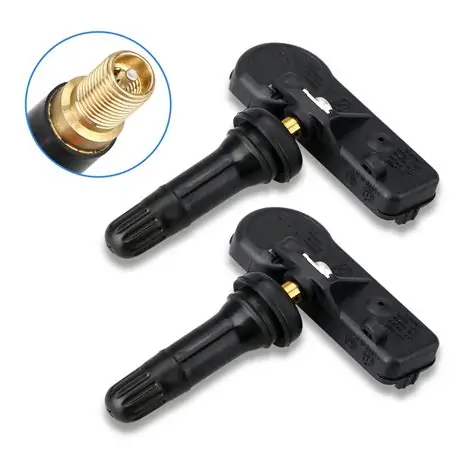
Discover the importance, functionality, and signs of faulty TPMS sensors, along with the benefits of upgrading for enhanced safety and performance.In the world of automotive technology, safety and functionality go hand in hand, and one of the unsung heroes of modern vehicle design is the Tire Pressure Monitoring System (TPMS) sensor. These small yet powerful devices play a crucial role in ensuring optimal tire pressure, which is vital for both performance and safety on the road. As we delve into the intricacies of TPMS sensors, we’ll explore what they are, how they work, and why they are essential for your vehicle’s health. We’ll also discuss the signs that indicate a faulty sensor and highlight the benefits of upgrading to a more advanced TPMS system. Whether you’re a seasoned driver or a car enthusiast, understanding TPMS sensors can help you make informed decisions about your vehicle’s maintenance and safety.
What is a TPMS Sensor?
A TPMS (Tire Pressure Monitoring System) sensor is an essential component of modern vehicles, specifically designed to monitor the air pressure in your tires. This system helps ensure that your tires are properly inflated, which is crucial for safety, fuel efficiency, and overall vehicle performance.
TPMS sensors can be classified into two main types:
- Direct TPMS: This type uses sensors mounted on the inside of each tire, providing real-time pressure readings that communicate with the vehicle’s onboard computer.
- Indirect TPMS: Instead of using physical sensors, this system employs the vehicle’s ABS (Anti-lock Braking System) wheel speed sensors to detect changes in tire pressure by monitoring tire rotation rates.
TPMS sensors originate from the need to reduce tire-related accidents and improve road safety. They alert drivers when tire pressure falls below the recommended threshold, allowing for timely action to prevent potential blowouts or accidents.
When the tire pressure drops significantly, the sensor activates a warning light on the dashboard, prompting the driver to check the tires. This proactive measure not only benefits the vehicle’s safety but also enhances its fuel efficiency, as under-inflated tires can lead to increased rolling resistance, thereby consuming more fuel.
Key Features of TPMS Sensors:
| Feature | Description |
|---|---|
| Real-time Monitoring | Continuously checks tire pressure and temperature to provide accurate readings. |
| Alerts Driver | Notifies the driver of low tire pressure through dashboard warnings. |
| Fuel Efficiency | Helps maintain optimal tire pressure, contributing to better fuel economy. |
| Increased Safety | Reduces the risk of tire blowouts and enhances overall vehicle safety. |
In summary, TPMS sensors play a pivotal role in vehicle safety and performance. By keeping the driver informed about tire conditions, they help ensure that the tires are always in optimal working order, making driving safer for everyone on the road.
Importance of TPMS Sensors
The Tire Pressure Monitoring System (TPMS) sensors are essential components in modern vehicles that play a critical role in maintaining tire safety and performance. Understanding the importance of these sensors is vital for every vehicle owner. Let’s explore why TPMS sensors are not just an option but a necessity.
Enhancing Safety on the Road
One of the foremost roles of TPMS sensors is to enhance safety. By monitoring tire pressure in real-time, these sensors help ensure that your tires are neither over-inflated nor under-inflated. Here are some statistics that highlight the importance:
| Statistic | Impact |
|---|---|
| Over 70% of roadside emergencies | Associated with tire issues |
| Under-inflated tires | Increase fuel consumption by 10% |
| Properly inflated tires | Enhance tire longevity by up to 30% |
Fuel Efficiency
Maintaining the right tire pressure is crucial for fuel efficiency. When your tires are inflated to the recommended pressure, your vehicle consumes less fuel. Some of the benefits of proper tire pressure regarding fuel efficiency include:
- Better mileage and reduced fuel costs
- Lower emissions per mile
Improving Tire Life
Properly functioning TPMS sensors contribute significantly to the longevity of tires. Under or over-inflation can cause uneven wear, leading to premature tire replacement. Here are ways TPMS sensors help improve tire life:
- Alerting drivers when tire pressure is too low or too high
- Preventing tire blowouts that can damage tires
Regulatory Compliance
In many regions, having a TPMS installed in vehicles is not just advisable but mandated by law. This compliance ensures that all vehicles on the road are equipped with safety systems to protect drivers and passengers alike.
Cost Savings in the Long Run
While upgrading to a vehicle with TPMS sensors may involve an initial investment, the long-term savings can be significant. By minimizing tire wear and improving fuel efficiency, drivers can save money on repairs and gas. In addition, early detection of tire issues can prevent costly roadside emergencies.
In conclusion, the importance of TPMS sensors cannot be overstated. From enhancing safety and improving fuel economy to extending tire life and ensuring compliance with regulations, these sensors are a vital part of modern automotive technology. Investing in a reliable TPMS system is an essential step for any responsible vehicle owner.
How TPMS Sensors Work
The Tire Pressure Monitoring System (TPMS) plays a crucial role in vehicle safety and performance. It uses a variety of methods to monitor the air pressure inside your tires, ensuring they are adequately inflated. Let’s delve deeper into how TPMS sensors function.
Types of TPMS
There are two main types of TPMS: Direct TPMS and Indirect TPMS.
| TPMS Type | Description |
|---|---|
| Direct TPMS | This system uses sensors mounted on each tire to directly measure tire pressure and temperature. It provides real-time data to the vehicle’s onboard computer. |
| Indirect TPMS | This system estimates tire pressure based on wheel speed data from the Antilock Braking System (ABS). It does not measure the tire pressure directly but infers it based on how the tires are performing. |
How Direct TPMS Sensors Work
In a Direct TPMS, each tire is equipped with a sensor that continuously monitors the pressure. When the pressure in a tire drops below a certain threshold, the sensor sends an alert to the vehicle’s computer system. Here’s a breakdown of its components:
- Pressure Sensor: Measures the air pressure within the tire.
- Temperature Sensor: Monitors the temperature of the tire which can affect the pressure.
- Transmitter: Sends the data to the vehicle’s onboard computer via radio frequency.
- Receiver: This part, integrated into the vehicle, receives tire pressure data and alerts the driver if there is a problem.
How Indirect TPMS Sensors Work
Indirect TPMS employs the vehicle’s existing wheel speed sensors to monitor tire health. Here’s how it operates:
The system calculates the rolling circumference of each tire. If one tire has lower pressure than others, it will rotate faster due to its smaller circumference, triggering a warning in the vehicle’s dashboard.
Significance of TPMS Data
The information gathered by TPMS sensors is invaluable. It helps prevent tire blowouts, improves fuel efficiency, and enhances overall driving safety. The continuous monitoring of tire pressure also assists in:
- Extending tire life
- Improving vehicle handling and performance
- Reducing carbon footprint through better fuel consumption
Understanding how TPMS sensors work is vital for any vehicle owner. Whether using direct or indirect systems, the primary goal remains the same: keeping you safe on the road by ensuring your tires are in optimal condition.
Signs of a Faulty TPMS Sensor
The Tire Pressure Monitoring System (TPMS) is a crucial component in ensuring vehicle safety and performance. When the TPMS sensor malfunctions, it can lead to various issues, including inaccurate tire pressure readings and potential safety hazards. Here are some common signs that your TPMS sensor might be faulty:
- Warning Light on Dashboard: If the TPMS warning light appears on your dashboard, it’s the first sign that there might be an issue with your TPMS sensor. This light usually looks like a tire with an exclamation mark inside.
- Consistent Low Tire Pressure Notifications: If you regularly receive alerts about low tire pressure, even after checking and inflating your tires, this could be a sign of a malfunctioning TPMS sensor.
- False Readings: If your TPMS provides inconsistent or false tire pressure readings—such as showing that your tires are over-inflated when they are not—this indicates a problem with the sensors.
- Problems During Tire Change: If your TPMS does not reset or fails to recognize new tires after a tire change, it may indicate that one or more sensors are faulty.
- Unresponsive System: If the TPMS does not respond to any of your inputs, such as your attempts to recalibrate or reset the system, this could be a sign of a deeper issue.
Regular maintenance and diagnostic checks can help identify issues with the TPMS sensor before they become more severe. If you notice any of the signs mentioned above, it is advisable to seek professional assistance to ensure your vehicle remains safe on the road.
Benefits of Upgrading TPMS Sensors
Upgrading your TPMS (Tire Pressure Monitoring System) sensors can provide significant advantages for vehicle safety and efficiency. Here are some key benefits of making this important upgrade:
- Improved Accuracy: Newer TPMS sensors are designed using advanced technology that allows for greater precision in measuring tire pressure, helping to avoid potentially dangerous under-inflation or over-inflation.
- Enhanced Safety: Accurate tire pressure monitoring can greatly reduce the risk of blowouts or tire failure on the road, thus enhancing overall driving safety for both the driver and passengers.
- Better Fuel Efficiency: Maintaining the recommended tire pressure can lead to better fuel economy. Upgraded TPMS sensors ensure that tires remain at the optimum pressure, reducing rolling resistance and improving gas mileage.
- Longer Tire Life: Properly inflated tires wear more evenly and can last longer. This not only saves money on tire replacements but also benefits the environment by reducing waste.
- Smart Technologies Integration: Newer TPMS sensors often come equipped with the latest smart technologies, allowing for easier monitoring via mobile apps or onboard vehicle systems. This connectivity can alert drivers to tire issues before they become serious.
- Increased Resale Value: Vehicles that are equipped with the latest safety features, including upgraded TPMS sensors, may have a higher resale value. Potential buyers often look for vehicles that provide maximum safety and efficiency.
Investing in upgraded TPMS sensors not only safeguards you and your loved ones while driving but also contributes to long-term savings and sustainability.
In summary, the benefits of upgrading TPMS sensors extend beyond mere convenience. They play a crucial role in enhancing vehicle performance, increasing safety, and ultimately leading to a more economical and environmentally friendly driving experience.
Frequently Asked Questions
What is a GM TPMS sensor?
A GM TPMS (Tire Pressure Monitoring System) sensor is a device that monitors the air pressure in a vehicle’s tires and alerts the driver if the pressure falls below a certain threshold.
How does a GM TPMS sensor work?
The GM TPMS sensor works by using either direct or indirect methods to measure tire pressure. Direct systems use sensors mounted inside the tire to provide real-time pressure data, while indirect systems estimate pressure based on wheel speed.
Why is it important to have a working GM TPMS sensor?
A functioning GM TPMS sensor is crucial for safety, as it helps prevent tire blowouts, improves fuel efficiency, and extends tire life by ensuring optimal tire pressure.
What are the signs that a GM TPMS sensor may be failing?
Signs of a failing GM TPMS sensor include the tire pressure warning light illuminating on the dashboard, inaccurate tire pressure readings, or issues with tire inflation.
Can I replace a GM TPMS sensor myself?
Yes, you can replace a GM TPMS sensor yourself, but it requires specific tools and knowledge. If you’re not comfortable with automotive repair, it’s advisable to seek professional assistance.
How do I reset the GM TPMS sensor after replacing it?
To reset a GM TPMS sensor after replacement, you may need to use an OBD-II scanner or follow a specific sequence of steps detailed in your vehicle’s owner’s manual.
How often should I check my GM TPMS sensor?
It’s recommended to check your GM TPMS sensor at least once a month, as well as before long trips, to ensure it is functioning properly and to maintain optimal tire pressure.