
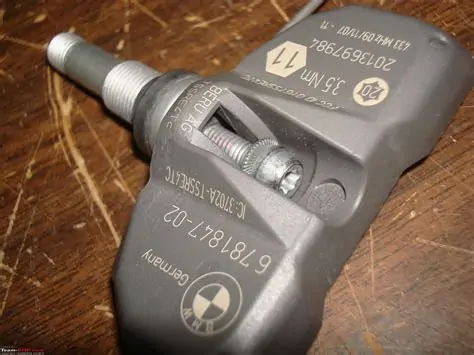
Discover the significance of TPMS sensors, common issues, battery replacement, and tips for choosing the right sensor for your vehicle.When it comes to vehicle safety and performance, understanding the intricacies of tire management systems is crucial. One significant component of this system is the Tire Pressure Monitoring System (TPMS) sensor, designed to keep you informed about your tire pressure levels. In this blog post, we will explore what a TPMS sensor is and why it is vital for your safety on the road. We’ll also delve into common issues associated with these sensors, how to replace their batteries, and tips on selecting the right TPMS sensor for your BMW. Whether you’re a seasoned car enthusiast or a casual driver, keeping your TPMS in check can enhance your driving experience and prolong the life of your tires. Join us as we take a closer look at this essential automotive feature.
What is a TPMS Sensor?
A TPMS, or Tire Pressure Monitoring System, sensor is a crucial component in modern vehicles, including BMW models. It is designed to continuously monitor the air pressure within each tire and alert the driver when tire pressure falls below a specified threshold. This system enhances vehicle safety by ensuring optimal tire pressure, which can affect handling, fuel efficiency, and overall performance.
There are two main types of TPMS sensors:
- Direct TPMS: This type uses sensors mounted inside the tire to directly measure the air pressure. These sensors communicate wirelessly with the car’s onboard computer.
- Indirect TPMS: This system does not measure tire pressure directly. Instead, it uses the vehicle’s ABS (anti-lock braking system) sensors to estimate tire pressure based on revolutions per minute (RPM) of each tire.
The TPMS sensor plays a significant role in maintaining tire health and ensuring driver safety. When the system detects under-inflated tires, it activates a warning light on the dashboard, prompting the driver to take action.
“Regularly checking tire pressure can prevent accidents and extend tire life.”
In summary, the TPMS sensor is an essential feature in BMW cars that contributes to vehicle safety and efficiency by keeping an eye on tire pressure. Its importance cannot be overstated, making it a key aspect of modern automotive technology.
Importance of TPMS Sensors
The Tire Pressure Monitoring System (TPMS) is a crucial component of modern vehicles, including BMWs. These sensors continuously monitor the pressure in each tire and ensure that it remains within the manufacturer’s recommended range. Understanding the significance of TPMS sensors can enhance your driving experience and ensure your safety on the road.
Enhancing Safety
One of the primary functions of TPMS sensors is to enhance the overall safety of the vehicle. Under-inflated tires can lead to:
- Increased tire wear
- Reduced vehicle handling
- Higher risk of tire blowouts
By alerting the driver to low tire pressure, TPMS sensors help prevent these issues, reducing the likelihood of accidents caused by tire failures.
Improving Fuel Efficiency
Properly inflated tires contribute significantly to fuel efficiency. According to studies, keeping tires at the correct pressure can improve a vehicle’s fuel economy by an average of 3.3%. This is especially relevant for BMW owners, as maximizing fuel efficiency can lead to significant long-term savings on fuel costs.
Environmental Impact
In addition to personal economic benefits, maintaining the proper tire pressure through effective TPMS sensors also has positive implications for the environment. Well-inflated tires help in reducing carbon emissions by:
- Decreasing fuel consumption
- Extending the lifespan of the tires, reducing waste
Preventing Damage to the Vehicle
Driving on improperly inflated tires not only affects safety and fuel efficiency but can also lead to costly damage to the vehicle. Under-inflated tires can cause:
- Increased wear and tear on suspension components
- Alignment issues
- Unbalanced tire wear
By using TPMS, BMW drivers can maintain optimal tire pressure, thus preventing unnecessary damage and costly repairs.
Legal Requirements
In many regions, having a functioning TPMS is a legal requirement in new vehicles. Non-compliance can result in fines and penalties. Ensuring that your BMW’s TPMS is operational not only keeps you safe but also legal on the roads.
In summary, the importance of TPMS sensors cannot be overstated, particularly for BMW vehicles. They play a crucial role in ensuring safety, improving fuel efficiency, protecting the environment, preventing vehicle damage, and meeting legal requirements.
Common TPMS Sensor Issues
The Tire Pressure Monitoring System (TPMS) is a vital safety feature in vehicles, particularly for brands like BMW. However, like any technology, TPMS sensors can encounter issues that might affect their functionality. Below are some common TPMS sensor issues you may encounter:
- Battery Failure: The TPMS sensors are powered by small batteries that can deplete over time. If the battery is dead, the sensor will not communicate tire pressure information to the vehicle’s onboard system.
- Sensor Damage: Physical damage to the sensor, perhaps from hitting a pothole or other debris, can cause malfunction. This damage can lead to inaccurate readings or total failure of the sensor.
- Faulty Valve Stems: The valve stems that house the TPMS sensors can also become corroded or damaged, causing leaks in the tire and erroneous pressure readings.
- Software Issues: Sometimes the problem may not lie within the TPMS sensors themselves but in the vehicle’s onboard software. Reprogramming or updates may be necessary to resolve these issues.
- Environmental Factors: Extreme temperature changes can affect the performance of the TPMS sensors. For instance, very cold temperatures can cause the pressure in tires to drop, leading to false alerts.
It’s crucial to be aware of these potential issues to ensure that your BMW’s TPMS is functioning properly. When problems arise, consulting with a qualified technician can help diagnose and resolve the issues effectively.
Replacing TPMS Sensor Batteries
A TPMS (Tire Pressure Monitoring System) sensor is a crucial component in ensuring the safety and performance of your vehicle. Over time, the batteries in these sensors can wear out, necessitating a replacement to maintain accurate tire pressure readings. Here’s a comprehensive guide on how to replace TPMS sensor batteries effectively.
Why Replace TPMS Sensor Batteries?
The batteries in TPMS sensors typically last between 5 to 10 years, depending on usage and environmental factors. When the batteries begin to fail, you might notice the following symptoms:
- Warning Light: A tire pressure warning light will illuminate on your dashboard.
- Inaccurate Readings: Fluctuating or false tire pressure readings.
- Sensor Failure: The sensor may stop communicating with the vehicle’s onboard computer.
How to Replace TPMS Sensor Batteries
Replacing the TPMS sensor batteries can be done either by a professional or as a DIY project. Here’s a step-by-step guide for the DIY approach:
- Gather Necessary Tools: You will need a screwdriver, a replacement battery (usually CR2032 or compatible), and possibly a tire pressure gauge.
- Remove the Tire: Safely lift your vehicle and remove the tire to access the TPMS sensor.
- Locate the Sensor: The TPMS sensor is usually mounted on the valve stem of the tire. Remove the nut securing the sensor if necessary.
- Open the Sensor: Carefully open the TPMS sensor to access the battery compartment. Ensure you handle the sensor gently to avoid damage.
- Replace the Battery: Remove the old battery and insert the new one while ensuring proper orientation (positive and negative sides). Double-check the battery type for accuracy.
- Reassemble the Sensor: Close the sensor back up securely and reattach it to the valve stem.
- Reinstall the Tire: Place the tire back on your vehicle and ensure it is properly secured.
- Check Functionality: Start your vehicle to make sure that the TPMS is functioning correctly and the warning light is off.
Maintaining Your TPMS Sensors
To extend the life of your TPMS sensors, consider the following tips:
- Regular Checks: Occasionally check tire pressures manually to ensure accuracy.
- Professional Inspections: Have your TPMS sensors inspected during routine maintenance.
- Use Quality Batteries: Always use high-quality replacement batteries to ensure longevity.
Final Notes
Replacing TPMS sensor batteries is a straightforward process that can save you time and money in the long run. Keeping your TPMS in good working order is vital for safety, fuel efficiency, and tire longevity.
Choosing the Right TPMS Sensor
When it comes to BMW TPMS sensors, making the right choice is crucial for maintaining your vehicle’s safety and performance. Tire Pressure Monitoring Systems (TPMS) sensors are essential for ensuring that your tires are inflated to the proper pressure, which significantly impacts fuel efficiency and handling.
Here are some key factors to consider when selecting the right TPMS sensor for your BMW:
- Compatibility: Ensure that the TPMS sensor you choose is compatible with your specific BMW model. Check the manufacturer’s guidelines or consult with a trusted mechanic to determine the suitable sensor for your vehicle.
- OEM vs. Aftermarket: Original Equipment Manufacturer (OEM) sensors often guarantee better performance and reliability as they are designed specifically for your BMW. However, there are quality aftermarket options available that can also do the job effectively.
- Frequency: TPMS sensors operate on specific frequencies—typically 315 MHz or 433 MHz. Make sure you select a sensor compatible with your car’s frequency to ensure proper communication with your vehicle’s onboard system.
- Battery Life: Most TPMS sensors have a battery life ranging from 5 to 10 years. Consider the battery replacement aspect when choosing a sensor, particularly if you want a long-lasting solution.
- Price: Prices for TPMS sensors can vary greatly. While it might be tempting to go for the cheaper option, it is essential to balance cost against the quality and warranty provided with the sensor.
In summary, choosing the right TPMS sensor is essential for the overall performance of your BMW. Make informed decisions based on compatibility, type (OEM or aftermarket), frequency, battery life, and price to ensure optimal performance and safety on the road.
Frequently Asked Questions
What is a BMW TPMS sensor?
A BMW TPMS sensor is a Tire Pressure Monitoring System sensor that monitors the air pressure inside the tires to ensure they are properly inflated, enhancing safety and performance.
Why is the TPMS sensor important for BMW vehicles?
The TPMS sensor is crucial as it alerts the driver to low tire pressure, helping to prevent tire blowouts, improve fuel efficiency, and enhance overall vehicle handling.
How often should I check my BMW’s TPMS system?
It’s advisable to check your BMW’s TPMS system every month or before long trips, ensuring that the tires are at the recommended pressure level.
What can cause a TPMS warning light to illuminate in a BMW?
The TPMS warning light can illuminate due to low tire pressure, a malfunctioning sensor, or changes in temperature that affect tire pressure.
How can I reset the TPMS light in my BMW?
To reset the TPMS light, start the vehicle, press the TPMS reset button (usually located on the dashboard), and drive for a few minutes to allow the system to recalibrate.
Can I replace a BMW TPMS sensor myself?
Yes, you can replace a BMW TPMS sensor yourself, but it’s essential to have the right tools and follow the manufacturer’s instructions to avoid any issues.
What are the signs of a failing TPMS sensor?
Signs of a failing TPMS sensor include consistent warning lights, irregular tire pressure readings, or a sudden inability to accurately monitor tire pressure.