
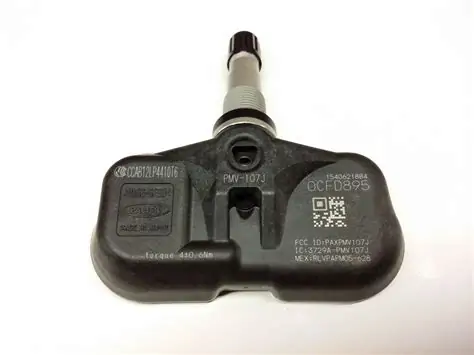
Discover the significance of TPMS sensors, how to identify faults, replacement costs, and DIY tips for sensor replacements in this comprehensive guide.If you’re a proud owner of a 2009 Toyota Camry, understanding the role of the Tire Pressure Monitoring System (TPMS) sensor is essential for ensuring your vehicle’s safety and performance. This small but vital component continuously monitors your tire pressure, alerting you to any issues that could compromise your driving experience. In this blog post, we’ll delve into what a TPMS sensor is, why it’s crucial for your vehicle, and how to recognize the signs of a faulty sensor. We’ll also discuss the cost associated with replacing a TPMS sensor and guide you through the DIY replacement process. Whether you’re looking to maintain your car effectively or tackle minor repairs on your own, this comprehensive guide has got you covered. Let’s get started!
What is a TPMS sensor?
A TPMS, or Tire Pressure Monitoring System, sensor is an essential component in modern vehicles, including the 2009 Toyota Camry. This device monitors the air pressure inside the tires and helps to ensure that they are inflated to the optimal level for safety and performance.
The TPMS sensor is designed to alert the driver when the tire pressure drops below a certain threshold, which can prevent the potential dangers of driving on under-inflated tires. This can enhance fuel efficiency, improve tire longevity, and promote safer driving conditions.
Types of TPMS Sensors
There are two main types of TPMS sensors found in vehicles:
- Direct TPMS: These sensors are mounted on each tire’s valve stem and directly measure the air pressure inside the tire. They transmit this data to the vehicle’s onboard computer.
- Indirect TPMS: This system does not measure tire pressure directly. Instead, it uses the vehicle’s ABS sensors to detect changes in wheel speed that may indicate a loss in tire pressure.
The 2009 Toyota Camry is equipped with a direct TPMS, which provides precise monitoring of tire conditions. If the tire pressure in any of the tires drops significantly, the TPMS sensor sends a signal to the dashboard, triggering the warning light.
How TPMS Works
The operation of a TPMS sensor is quite straightforward:
- Each TPMS sensor constantly monitors tire pressure.
- When tire pressure falls below the recommended level, the sensor detects this drop.
- The sensor transmits a signal to the car’s ECU (Engine Control Unit), which then illuminates the dashboard warning light.
By keeping track of tire pressure, the TPMS sensor plays a crucial role in vehicle safety and performance. Maintaining the correct tire pressure not only enhances handling but also maximizes fuel economy and extends the life of your tires.
Importance of TPMS sensors
The Tire Pressure Monitoring System (TPMS) is an essential feature in modern vehicles, including the 2009 Toyota Camry. This system plays a crucial role in ensuring the safety and efficiency of your car. Below are the key reasons why TPMS sensors are important:
- Safety Enhancement: Maintaining proper tire pressure is vital for safe driving. TPMS sensors alert drivers when tire pressure falls below the recommended levels, helping to prevent blowouts and loss of control.
- Fuel Efficiency: When tires are properly inflated, fuel consumption is optimized. TPMS sensors help to monitor and maintain the right pressure, leading to better fuel efficiency and cost savings.
- Extended Tire Life: Regular monitoring through TPMS can help identify slow leaks or issues early on, allowing for timely repairs. This proactive approach extends the life of your tires and avoids premature replacements.
- Environmental Impact: Properly inflated tires not only improve fuel efficiency but also reduce carbon emissions. Thus, TPMS contributes to a lower environmental footprint.
- Compliance with Regulations: Many regions have regulations that mandate TPMS in vehicles. Having this system is not just beneficial but may also be legally required.
In summary, TPMS sensors are vital not only for safety but also for overall vehicle performance and environmental conservation. Keeping your TPMS functional is important for maintaining the integrity of your driving experience.
Signs of a faulty TPMS sensor
The TPMS sensor (Tire Pressure Monitoring System) plays a crucial role in ensuring your vehicle operates safely and efficiently. In a 2009 Toyota Camry, as with many other vehicles, a faulty TPMS sensor can lead to poor handling, increased tire wear, and can even affect fuel efficiency. Here are some key signs that indicate your TPMS sensor may be malfunctioning:
- Warning Light on Dashboard: The most common sign is the illumination of the TPMS warning light on your dashboard. If this light stays on, it indicates that there might be an issue with your TPMS system.
- Inaccurate Tire Pressure Readings: If you notice inconsistencies when checking your tire pressures manually compared to what the TPMS sensor displays, this could be a sign of a faulty sensor.
- Sudden Loss of Tire Pressure: If you experience a sudden drop in tire pressure, it might indicate a sensor issue. A malfunctioning TPMS sensor may fail to communicate accurate tire pressure data.
- No Response from TPMS System: If you have reset your TPMS sensor after inflating the tires but the warning light persists, it could signal a deeper issue with the sensor.
- Sensor Error Message: Some vehicles may display an error message on the dashboard indicating that there is a problem with the TPMS sensor.
In summary, being aware of the signs of a faulty TPMS sensor can help you address potential tire issues before they escalate, keeping your 2009 Toyota Camry safe on the road.
Cost of TPMS sensor replacement
The cost of replacing a TPMS sensor can vary significantly based on various factors. Here’s a breakdown of what to expect:
| Factor | Estimated Cost |
|---|---|
| Sensor Cost | $50 – $150 per sensor |
| Labor Cost | $20 – $60 per hour |
| Reprogramming Fee | $50 – $100 (if applicable) |
| Additional Services (e.g., tire rotation) | $25 – $50 |
Here are some important points to consider when looking at the cost of TPMS sensor replacement:
- Type of Sensor: Different vehicles may require different sensors based on their design. Options include direct and indirect sensors, affecting the price.
- Brand and Quality: Premium brands might offer more reliable sensors but at a higher cost. Generic versions may save money upfront but could affect performance.
- DIY vs Professional Installation: While doing it yourself can save labor costs, improper installation can lead to additional expenses down the line.
- Local Shop vs Dealership: Dealerships often charge more due to their specialized service and expertise, while local shops may offer more competitive pricing.
- Warranty and Service Packages: Some shops provide warranties on their products and services, which can be beneficial in the long run.
Overall, the total replacement cost for a TPMS sensor in a 2009 Toyota Camry can range from $100 to $400, depending on the factors mentioned above. Always get multiple quotes and consider the quality of the sensor before making a decision.
DIY TPMS sensor replacement
Replacing a TPMS sensor (Tire Pressure Monitoring System) in your 2009 Toyota Camry can be a straightforward task if you have the right tools and follow the correct steps. This guide will help you understand the process of DIY TPMS sensor replacement, making your tire maintenance more efficient and cost-effective.
What You’ll Need
- Jack and jack stands – To lift your car safely.
- Tire iron – To remove the wheel bolts.
- TPMS sensor tool – For programming your new sensor.
- New TPMS sensor – Ensure it’s compatible with your 2009 Toyota Camry.
- Digital tire pressure gauge – To check the tire pressure after installation.
Step-by-Step Process
- Prepare Your Vehicle: Park your Toyota Camry on a flat surface and set the parking brake.
- Lift the Car: Use the jack to lift the front or rear of the car, depending on which sensor you are replacing. Always use jack stands for safety.
- Remove the Wheel: Use the tire iron to loosen and remove the wheel bolts, then take off the wheel.
- Remove the Old Sensor: Locate the TPMS sensor attached to the valve stem of the tire. Carefully unbolt and disconnect the old sensor.
- Install the New Sensor: Attach the new TPMS sensor to the valve stem, ensuring a secure fit. Tighten any bolts as required.
- Reinstall the Wheel: Place the wheel back onto the hub, hand-tighten the bolts, and then use the tire iron to fully secure them.
- Lower the Car: Carefully lower the vehicle back to the ground.
- Program the Sensor: Use the TPMS tool to program your new TPMS sensor. Follow the tool’s instructions to ensure it connects correctly with your car’s onboard system.
- Check Tire Pressure: Use the digital tire pressure gauge to check the pressure in all tires to ensure they’re inflated to the recommended levels.
Tips for Success
Always refer to your vehicle’s owner manual for specific guidance and safety information regarding your 2009 Toyota Camry.
Final Thoughts
Replacing a TPMS sensor on your own can save you money and give you a sense of accomplishment. By following these steps and taking your time, you can ensure your vehicle is safe and well-maintained.
Frequently Asked Questions
What is a TPMS sensor in the 2009 Toyota Camry?
The TPMS sensor (Tire Pressure Monitoring System) in the 2009 Toyota Camry is an electronic system that monitors the air pressure in the tires and alerts the driver if the pressure falls below a certain threshold.
How do I know if my 2009 Toyota Camry TPMS sensor is malfunctioning?
If the TPMS warning light on the dashboard remains illuminated or blinks, it may indicate a malfunction in the TPMS sensor or that the tire pressure is too low.
Can I drive my 2009 Toyota Camry with a faulty TPMS sensor?
While you can technically drive with a faulty TPMS sensor, it is not advisable as it may lead to under-inflated tires, increasing the risk of blowouts and poor handling.
How do I reset the TPMS sensor in my 2009 Toyota Camry?
To reset the TPMS sensor, start the engine and ensure all tires are properly inflated to the recommended pressure. Then, press and hold the TPMS reset button, usually located under the steering wheel, until the TPMS light blinks three times.
Where can I find the TPMS sensor in my 2009 Toyota Camry?
The TPMS sensor is typically located inside each tire mounted on the valve stem, and it is designed to measure tire pressure.
What should I do if my 2009 Toyota Camry TPMS warning light stays on?
If the TPMS warning light stays on, check the tire pressures to ensure they are within the recommended range. If they are correct, it may indicate a malfunctioning TPMS sensor, and you should have it inspected by a professional.
How often should I check the tire pressure in my 2009 Toyota Camry?
It is recommended to check the tire pressure at least once a month and before long trips, regardless of whether the TPMS light is on, to ensure optimal vehicle performance and safety.