
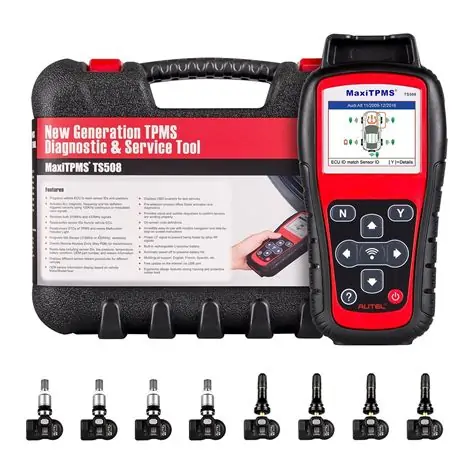
Explore TPMS sensors, their importance, types of tools, how to use them, and the benefits of using TPMS sensor tools for vehicle safety.In today’s fast-paced world, ensuring the safety and performance of your vehicle is more important than ever, and one vital component in this equation is the Tire Pressure Monitoring System (TPMS) sensor. This innovative technology not only alerts drivers to potential tire issues but also helps prevent dangerous situations on the road. To effectively manage and maintain your TPMS, having the right tools at hand is essential. In this blog post, we will explore what a TPMS sensor is, delve into the significance of TPMS tools, and examine the different types available on the market. Additionally, we’ll provide a step-by-step guide on how to use a TPMS sensor tool and highlight the numerous benefits that come with utilizing these essential devices. Join us as we navigate the world of TPMS sensor tools and enhance your vehicle’s safety and performance.
What is a TPMS Sensor?
A TPMS Sensor, or Tire Pressure Monitoring System Sensor, is a crucial component in modern vehicles designed to monitor the air pressure within your tires. These sensors provide real-time data on tire inflation, ensuring that your vehicle operates at optimal performance levels while enhancing safety.
There are two main types of TPMS: Direct TPMS and Indirect TPMS. Both serve the essential function of alerting drivers when tire pressure falls below a safe threshold.
Direct TPMS
Direct TPMS sensors are installed inside each tire, measuring the actual tire pressure directly. When the tire pressure is too low, the sensor triggers a warning light on the dashboard. Here are some key points:
- Accurate readings in real-time
- Can alert drivers to sudden pressure changes
- Typically utilizes a battery and may need replacement
Indirect TPMS
Indirect TPMS does not use actual tire pressure measurements. Instead, it relies on the vehicle’s anti-lock braking system (ABS) to monitor wheel speed and detect discrepancies that could indicate low tire pressure. Key features include:
- Non-intrusive; does not require specialized installation
- May be less accurate than direct systems
- Relies heavily on proper calibration
Overall, the TPMS sensor plays a vital role in maintaining vehicle safety and efficiency. By providing essential information about tire pressure, it helps to prevent tire blowouts, enhance fuel efficiency, and improve overall driving performance.
The Importance of TPMS Tools
TPMS (Tire Pressure Monitoring System) tools are essential devices in modern automotive maintenance. They help ensure that your tires are inflated to the correct pressure, which is crucial for safety and efficiency. Below are some key reasons highlighting the importance of TPMS tools:
- Safety: Proper tire pressure is vital for maintaining vehicle control, handling, and stopping distances. A malfunctioning TPMS can lead to under-inflated tires, which significantly increases the risk of accidents.
- Fuel Efficiency: When tire pressure is at optimal levels, vehicles consume less fuel. Proper use of TPMS tools can save drivers a substantial amount on fuel costs over time.
- Tire Longevity: Correct tire inflation reduces wear and tear on tires, helping them last longer. TPMS tools contribute to proactive maintenance, preventing costly replacements.
- Environmental Impact: Maintaining optimal tire pressure reduces carbon emissions. By using a TPMS tool, drivers can contribute to a greener environment while also saving money.
- Regulatory Compliance: Many regions have regulations regarding tire safety and monitoring systems. Proper use of TPMS tools ensures compliance with these laws, avoiding potential fines.
In summary, TPMS tools are not just a luxury; they are a necessity for maintaining vehicle safety, efficiency, and environmental responsibility. Regular use of these tools should be part of every car owner’s maintenance checklist.
Types of TPMS Sensor Tools
When it comes to maintaining your vehicle’s Tire Pressure Monitoring System (TPMS), understanding the different types of TPMS sensor tools is essential. These tools help in diagnosing, programming, and resetting the sensors in your tires. Below, we will explore the most common types of TPMS sensor tools available in the market:
| Type of TPMS Tool | Description | Use Cases |
|---|---|---|
| 1. Handheld TPMS Tools | Portable devices that read and diagnose TPMS sensor data. They often feature a display screen. | Great for quick checks and diagnosing issues directly on-site. |
| 2. TPMS Activation Tools | Tools used to activate and reset TPMS sensors after tire rotation or replacement. | Essential for tire shops and DIY enthusiasts to ensure TPMS functions correctly. |
| 3. TPMS Sensor Programming Tools | Advanced tools capable of programming new TPMS sensors to communicate with the vehicle’s system. | Indispensable for shops replacing or installing new sensors. |
| 4. Multi-Functional Diagnostic Tools | Comprehensive diagnostic equipment that includes TPMS functionality along with other vehicle diagnostics. | Used by professional mechanics for a wide range of vehicle maintenance tasks. |
| 5. Bluetooth TPMS Tools | Modern tools that connect to smartphones or tablets via Bluetooth, providing data and diagnostics through an app. | Perfect for tech-savvy users who prefer a digital interface for tire management. |
Each of these TPMS sensor tools serves specific purposes, and selecting the right one depends on your needs, whether you’re a professional mechanic or a car owner wanting to enhance your vehicle maintenance routine. Additionally, using the appropriate tool ensures the longevity and accuracy of your TPMS, ultimately leading to safer driving.
How to Use a TPMS Sensor Tool
The TPMS sensor tool is an essential device for monitoring tire pressure and ensuring safety on the road. Using it correctly can help you maintain your vehicle’s tire health and improve fuel efficiency. Below, we outline the steps to use a TPMS sensor tool effectively.
Steps to Use a TPMS Sensor Tool:
- Locate the TPMS sensor tool: Before you begin, make sure you have the right TPMS sensor tool. These tools can range from handheld devices to more advanced diagnostic tools.
- Turn on the vehicle: For most modern vehicles, the engine needs to be running, or at least in the on position, to read the tire pressure data.
- Access the vehicle settings: Some vehicles may require you to navigate through the dashboard settings to access the TPMS feature.
- Connect the TPMS sensor tool: If you are using a handheld tool, connect it to the vehicle’s OBD-II port. For tools that don’t require a direct connection, simply turn them on.
- Read the data: Follow the tool’s instructions to fetch the tire pressure data. The display will show the pressure levels for each tire.
- Check for warning indicators: If the tool indicates low tire pressure or other issues, take the necessary action to address the problem.
Important Considerations:
- Calibration: Ensure your TPMS sensor tool is calibrated according to the manufacturer’s guidelines.
- Batteries: Check the battery level of the TPMS sensor tool to ensure accurate readings.
- Read the manual: Always refer to the user manual for specific instructions related to your particular tool and vehicle.
“Proper tire maintenance not only enhances safety but also optimizes fuel efficiency.”
By following these steps, you can effectively use a TPMS sensor tool to monitor your vehicle’s tire health and ensure a safer driving experience.
Benefits of Using a TPMS Sensor Tool
Using a TPMS sensor tool offers numerous advantages that enhance vehicle safety, efficiency, and performance. Here are some of the most significant benefits:
- Improved Safety: Proper tire pressure is essential for safe driving. A TPMS sensor tool allows for regular checks of the tire pressure, helping to prevent blowouts and accidents caused by under-inflated tires.
- Enhanced Fuel Efficiency: Maintaining correct tire pressure improves fuel efficiency. Under-inflated tires can increase rolling resistance, causing vehicles to consume more fuel. A TPMS sensor tool helps ensure tires are inflated to the recommended pressure.
- Extended Tire Life: Regular monitoring with a TPMS sensor tool can help in preventing excessive wear and tear on tires, which can lead to costly replacements. By maintaining optimal tire pressure, the lifespan of tires can be significantly extended.
- Real-Time Data: Many TPMS sensor tools provide real-time monitoring and data analysis. This immediate feedback allows drivers to address tire issues before they escalate, potentially saving money on repairs and extending the overall life of the tires.
- Easy to Use: Most TPMS sensor tools are user-friendly and do not require specialized training to operate. Whether you are a seasoned mechanic or a novice vehicle owner, these tools can simplify tire maintenance.
In summary, investing in a TPMS sensor tool not only promotes safer driving but also leads to long-term cost savings and enhanced vehicle performance. Regular monitoring with this tool is a proactive measure that every vehicle owner should consider.
Frequently Asked Questions
What is a TPMS sensor tool?
A TPMS sensor tool is a device used for diagnosing and programming Tire Pressure Monitoring System (TPMS) sensors in vehicles.
Why is a TPMS sensor tool important for vehicle maintenance?
It is important because it helps ensure that tire pressure monitoring systems are functioning properly, which enhances safety and improves fuel efficiency.
How does a TPMS sensor tool work?
The tool communicates with the TPMS sensors to read their data, diagnose issues, and can also reprogram or reset the sensors when changing tires or when a sensor is replaced.
What are the benefits of using a TPMS sensor tool?
Benefits include the ability to quickly diagnose tire pressure issues, potential cost savings on tire maintenance, and improved safety by ensuring tires are properly inflated.
Can I use a TPMS sensor tool on any vehicle?
Most TPMS sensor tools are designed to work with a wide range of vehicles, but it’s important to check the tool’s compatibility with your specific vehicle make and model.
How often should I use a TPMS sensor tool?
You should use a TPMS sensor tool whenever you notice a change in tire pressure, during regular vehicle maintenance, or after a tire change to ensure the system recognizes the new sensors.
Are TPMS sensor tools easy to use?
Yes, most TPMS sensor tools are user-friendly and come with instructions, making it accessible for both professionals and DIY enthusiasts.