
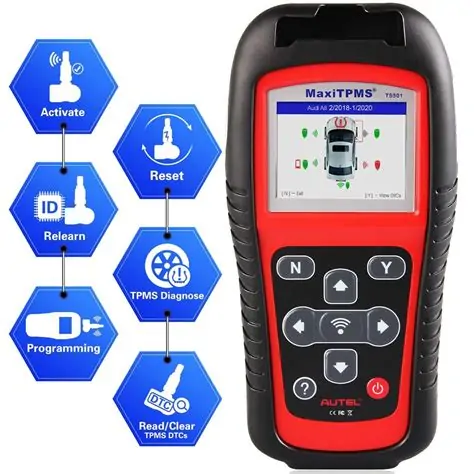
Learn how to understand TPMS sensors, choose the right programming tool, and navigate common issues with our step-by-step guide.In the ever-evolving landscape of automotive technology, Tire Pressure Monitoring System (TPMS) sensors have become indispensable for maintaining vehicle safety and performance. As tire safety regulations tighten and consumer expectations rise, understanding these sensors and how to effectively program them is crucial for both automotive professionals and enthusiasts. In this blog post, we will delve into the intricacies of TPMS sensors, guide you in choosing the right programming tool, and walk you through a step-by-step programming process. We will also address common issues that may arise with TPMS sensors and highlight the numerous benefits of utilizing a dedicated programming tool. Whether you’re a seasoned mechanic or a DIYer looking to expand your knowledge, this comprehensive guide will equip you with the insights needed to manage TPMS sensors proficiently.
Understanding TPMS Sensors
Tire Pressure Monitoring System (TPMS) sensors play a vital role in vehicle safety and efficiency. These sensors are designed to monitor the air pressure in your vehicle’s tires and alert you if the pressure falls below a certain threshold. Understanding how these sensors work is crucial for maintaining optimal tire health and improving overall vehicle performance.
How TPMS Sensors Work
There are two main types of TPMS sensors:
- Direct TPMS: This type uses a sensor mounted on each tire’s valve stem that measures air pressure directly. When the pressure drops below a specified level, the sensor triggers a warning light on the vehicle’s dashboard.
- Indirect TPMS: Instead of using a dedicated sensor in each tire, this system relies on the vehicle’s ABS (Anti-lock Braking System) and wheel speed sensors to monitor tire performance. Changes in tire pressure can affect wheel speed, allowing the system to detect under-inflation.
Importance of TPMS Sensors
Understanding the importance of TPMS sensors can lead to safer driving practices:
- Safety: Proper tire pressure is essential for vehicle safety. Under-inflated tires can lead to blowouts, loss of control, and increased stopping distances.
- Fuel Efficiency: Tires that are inflated to their optimal pressure can improve fuel efficiency by reducing rolling resistance.
- Tire Longevity: Maintaining the correct tire pressure can extend the life of the tires, saving you money in the long run.
Common Features of TPMS Sensors
Most TPMS sensors share common features that enhance their functionality:
| Feature | Description |
|---|---|
| Battery Life | Typically lasts between 5 to 10 years, depending on usage and environmental conditions. |
| Signal Frequency | Sensors often operate at frequencies of 315 MHz or 433 MHz to communicate with the vehicle’s onboard system. |
| Temperature Sensitivity | Most sensors are designed to work optimally within a specified temperature range. |
In summary, understanding TPMS sensors is essential for vehicle maintenance and safety. Being aware of their functionality and importance can lead to better overall vehicle management and improved driving experiences.
Choosing the Right Programming Tool
When it comes to programming TPMS sensors, selecting the appropriate programming tool is crucial for seamless functionality and vehicle safety. A variety of tools are available, and understanding their features and compatibility with your vehicle’s make and model is essential.
Here are some factors to consider when choosing a TPMS programming tool:
- Compatibility: Ensure that the tool is compatible with the specific TPMS sensors and vehicle models you intend to service. Some tools are versatile and support multiple brands, while others cater to specific manufacturers.
- User-Friendly Interface: A good programming tool should have an intuitive and easy-to-navigate user interface. This can save time and reduce the likelihood of errors during the programming process.
- Feature Set: Look for tools that offer comprehensive features, such as sensor activation, diagnostic capabilities, and data logging. Advanced features can enhance your overall service effectiveness.
- Updates and Support: Choose a tool that provides regular updates for new vehicle models and TPMS sensor technologies. Additionally, reliable customer support can be invaluable if you encounter any issues.
- Cost-Effectiveness: Compare pricing among various tools. While it’s essential to stay within your budget, consider the long-term value a more expensive, high-quality tool may provide.
Here’s a comparison table of popular TPMS programming tools:
| Tool | Compatibility | User-Friendly | Advanced Features | Price Range |
|---|---|---|---|---|
| Tool A | Most Brands | Yes | Yes | $150 – $200 |
| Tool B | Selected Models Only | No | Basic | $100 – $150 |
| Tool C | Most Brands | Yes | Advanced | $250 – $300 |
When making your decision, consider both your current needs and potential future requirements. Investing in a high-quality TPMS sensor programming tool can save time and enhance the efficiency of your services.
Step-by-Step Programming Process
When it comes to TPMS sensor programming, following a structured process is crucial for ensuring that your vehicle’s tire pressure monitoring system operates effectively. Here’s a detailed guide to help you through the step-by-step programming process.
- Gather the Necessary Tools
- TPMS programming tool
- Vehicle owner’s manual
- Wrench set (if changing tires)
- Check Vehicle Compatibility
Before starting the programming, ensure that the TPMS programming tool you have is compatible with your vehicle’s make and model.
- Prepare the Vehicle
Ensure that the vehicle is parked on a level surface and that all tires are properly inflated. If necessary, adjust tire pressure to the recommended levels listed in your owner’s manual.
- Connect the TPMS Programming Tool
Connect the TPMS programming tool to the OBD-II port of your vehicle. This port is typically located under the dashboard near the steering column.
- Power On the Vehicle
Turn the vehicle’s ignition to the ON position without starting the engine. This will allow the programming tool to communicate with the vehicle’s TPMS.
- Select Programming Mode
Using the programming tool, navigate to the TPMS sensor programming mode. Refer to the tool’s user manual if you encounter any difficulties.
- Follow On-Screen Instructions
Adhere to the prompts and instructions provided by the programming tool. This may involve selecting the sensors to be programmed or performing a tire rotation reset.
- Program Each TPMS Sensor
Individually program each sensor by following the tool’s instructions. You may need to detach and reattach the sensors while programming.
- Verify Successful Programming
Once all sensors have been programmed, check the programming tool for confirmation messages indicating successful programming. You should also verify by checking the vehicle’s dashboard for any warning lights.
- Finalize the Process
Disconnect the programming tool and turn off the ignition. For added peace of mind, take the vehicle for a short drive to see if the system functions properly.
By following this step-by-step programming process, you can ensure that your TPMS sensors are correctly programmed, thereby enhancing your vehicle’s safety and performance.
Common TPMS Sensor Issues
Tire Pressure Monitoring Systems (TPMS) are essential components in modern vehicles, ensuring optimal tire pressure for safety and efficiency. However, like any electronic system, TPMS sensors can encounter various issues. Here are some common TPMS sensor issues that vehicle owners and technicians should be aware of:
- Sensor Malfunction: Sensors may fail due to various factors such as age, exposure to harsh conditions, or manufacturing defects. A malfunctioning sensor often sends incorrect data to the vehicle’s computer system.
- Battery Failure: Most TPMS sensors are equipped with a battery that has a limited lifespan. When the battery runs out, the sensor becomes inactive, causing the malfunction indicator light to illuminate on the dashboard.
- Improper Installation: During tire replacement, sensors can be improperly installed, leading to connection issues. This can result in inaccurate readings or sensor failure altogether.
- Interference from Other Devices: Wireless signals from other vehicle systems or external devices can interfere with TPMS sensors, causing erroneous warnings or system alerts.
- Environmental Factors: Extreme temperatures, moisture, and road debris can damage TPMS sensors, leading to compromised functionality.
- Low Tire Pressure: Naturally, if tire pressure falls below the recommended level, TPMS sensors will alert the driver. However, persistent low pressure can lead to sensor damage over time.
- Software Glitches: Faulty software in the vehicle’s onboard computer can sometimes lead to improper sensor readings. Resetting or reprogramming the TPMS system can resolve these issues.
To keep your TPMS functioning properly, regular maintenance and timely replacement of sensors are essential. Being proactive can prevent small issues from compounding into major problems.
Benefits of Using a Programming Tool
When it comes to managing TPMS (Tire Pressure Monitoring System) sensor programming, having the right tools can make a significant difference. Utilizing a TPMS programming tool not only simplifies the process but also enhances the efficiency and effectiveness of your tire maintenance efforts. Here are some of the key benefits of using a programming tool:
- Time-Saving: Programming tools allow for quicker diagnostics and sensor programming compared to manual methods. This means less downtime for vehicles and quicker turnaround for service providers.
- Accuracy: A quality programming tool minimizes the risk of human error in sensor programming. This accuracy is crucial for ensuring that all TPMS sensors are correctly configured and ready for operation.
- Wide Compatibility: Most programming tools are designed to work with a variety of vehicle makes and models. This versatility allows technicians to service multiple types of vehicles without needing separate tools for each one.
- User-Friendly Interfaces: Modern TPMS programming tools typically come equipped with intuitive interfaces, making it easier for both experienced technicians and less experienced individuals to navigate the programming process.
- Real-Time Data: Many programming tools provide real-time data, enabling users to monitor tire pressure and other critical parameters instantaneously. This allows for proactive maintenance and immediate problem-solving.
- Cost-Effective: Investing in a programming tool can save money in the long run. Fewer errors and faster service can lead to increased customer satisfaction and loyalty, ultimately benefiting your business.
- Software Updates: Most programming tools receive regular software updates, ensuring that they remain compatible with new vehicle models and technology advancements.
In summary, using a TPMS programming tool offers numerous benefits, including improved efficiency, accuracy, and compatibility. As the automotive industry continues to evolve, having the right tools becomes increasingly important for both service providers and vehicle owners alike.
Frequently Asked Questions
What is a TPMS sensor programming tool?
A TPMS (Tire Pressure Monitoring System) sensor programming tool is a device used to program and configure TPMS sensors in vehicles, ensuring that they communicate properly with the vehicle’s onboard computer.
Why is TPMS sensor programming necessary?
TPMS sensor programming is necessary to ensure accurate tire pressure readings and vehicle safety. If sensors are not properly programmed after installation or replacement, the system may not function correctly, leading to potential safety hazards.
How does a TPMS sensor programming tool work?
The tool interfaces with the vehicle’s OBD-II (On-Board Diagnostics) port or communicates directly with the sensors to program them with the correct vehicle settings, such as sensor ID and frequency.
What features should I look for in a TPMS sensor programming tool?
Look for features such as compatibility with multiple vehicle makes and models, ability to reset and reprogram sensors, live data display, and user-friendly software or interface.
Can I program TPMS sensors myself?
Yes, if you have a TPMS programming tool and the necessary knowledge, you can program the sensors yourself. However, it’s recommended to consult a professional if you are unsure about the process.
What are the benefits of using a TPMS sensor programming tool?
The benefits include improved accuracy in tire pressure readings, extended sensor life, fewer trips to the mechanic, and enhanced overall safety on the road.
Is a TPMS sensor programming tool expensive?
The cost of a TPMS sensor programming tool can vary widely, ranging from affordable basic models to more advanced and expensive options. The investment often depends on the features and capabilities of the tool.