
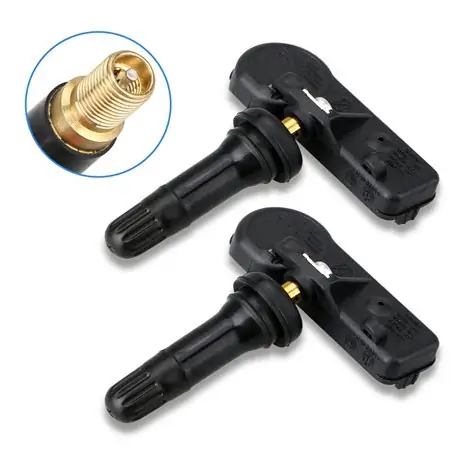
Discover the importance of TPMS sensors, common issues, troubleshooting tips, and guidance on replacing them for safer driving.The Silverado is a popular choice among truck enthusiasts, known for its power and reliability. However, like any vehicle, it requires attention to ensure optimal performance, particularly when it comes to tire management. This is where the Tire Pressure Monitoring System (TPMS) sensor comes into play. Designed to provide real-time tire pressure information, a properly functioning TPMS sensor is essential for safety and fuel efficiency. In this blog post, we’ll explore what a TPMS sensor is, its importance, and common issues drivers may face. We’ll also provide tips on troubleshooting and replacing the sensor to keep your Silverado running smoothly and safely. Let’s dive into understanding this crucial component of your vehicle’s tire management system.
What is a TPMS sensor?
A TPMS (Tire Pressure Monitoring System) sensor is a crucial component of modern vehicles, including the popular Silverado. It is designed to monitor the air pressure inside the tires and to alert the driver when a tire is significantly under-inflated. Proper tire pressure is essential for safe driving, fuel efficiency, and tire longevity, making the TPMS sensor an important feature in contemporary vehicles.
The TPMS sensor operates by using either direct or indirect measurement methods:
- Direct TPMS: This system includes a pressure sensor mounted within each tire. These sensors communicate directly with the vehicle’s onboard computer, providing real-time data about the tire pressure.
- Indirect TPMS: Instead of using actual pressure sensors, this system calculates tire pressure using wheel speed sensors. If the tire pressure drops, the wheel will rotate at a different speed compared to the others, triggering a warning to the driver.
In a Silverado, the TPMS sensor plays a key role in ensuring that the tires are always at the optimal pressure. It helps to:
- Enhance safety by reducing the risk of blowouts and poor handling due to low tire pressure.
- Improve fuel efficiency as properly inflated tires can reduce rolling resistance.
- Extend tire life by preventing uneven wear.
In summary, the TPMS sensor is an integral part of the Silverado’s safety and performance systems, providing vital information to the driver about tire conditions. Understanding how this system works can help truck owners maintain their vehicles better and ensure a safer driving experience.
Importance of TPMS sensor
The Tire Pressure Monitoring System (TPMS) sensor is an essential component of modern vehicles, including the popular Chevrolet Silverado. This system plays a significant role in ensuring your vehicle operates safely and efficiently. Below are some key reasons highlighting the importance of TPMS sensors:
- Safety: Maintaining the correct tire pressure is critical for safe driving. TPMS sensors alert drivers when tire pressure falls below the recommended level, helping to prevent tire blowouts and accidents.
- Fuel Efficiency: Properly inflated tires contribute to better fuel economy. When tire pressure is low, the engine works harder, thus consuming more fuel. TPMS ensures that your tires are always inflated at optimal levels, promoting better fuel efficiency.
- Tire Longevity: Consistent monitoring of tire pressure can extend the lifespan of tires. Under-inflated tires wear out more quickly and unevenly. With TPMS sensors, you can minimize wear and tear, saving you money in the long run.
- Environmental Impact: Maintaining proper tire pressure is not only good for your vehicle but also better for the environment. By improving fuel efficiency and reducing tire waste, TPMS contributes to a decreased carbon footprint.
- Real-time Monitoring: The ability to receive real-time updates about tire pressure allows drivers to make informed decisions. With TPMS, you can monitor tire conditions and take action before a minor issue escalates into a significant problem.
In summary, the TPMS sensor is vital for safety, efficiency, and the overall health of your vehicle. Regularly checking the functionality of your TPMS system ensures that you can enjoy these benefits while driving your Silverado.
Common TPMS sensor issues
The Tire Pressure Monitoring System (TPMS) is an essential feature in modern vehicles, including the Silverado, designed to alert drivers of potential tire issues. However, like any electronic system, it can encounter problems. Here are some common TPMS sensor issues that Silverado owners may experience:
- Faulty Sensor: A malfunctioning TPMS sensor may not accurately detect tire pressure, leading to false warnings.
- Dead Battery: Each TPMS sensor has a built-in battery that can die over time, causing the sensor to stop working.
- Damaged Sensor: Physical damage to the sensor, such as from road debris or improper installation, can prevent it from functioning correctly.
- Bad Tire Installation: Incorrect tire pressure or improper installation of tires can trigger TPMS alerts. Always ensure tires are correctly set according to the manufacturer’s specifications.
- Interference from Other Devices: Electronic devices or systems in the car can sometimes interfere with TPMS functionality, causing errors or false alerts.
- Sensor Calibration: After tire rotation or replacement, the TPMS may need recalibrating. If this is neglected, it could result in incorrect readings.
If you experience any of these issues with your Silverado’s TPMS, it’s essential to address them promptly to ensure the safety and performance of your vehicle. Regular maintenance and checking the sensor’s functionality can help prevent long-term problems.
How to troubleshoot TPMS sensor
Having issues with your Silverado TPMS sensor can be frustrating, especially if it prevents you from receiving accurate tire pressure readings. Fortunately, troubleshooting a TPMS sensor is often straightforward. Here are some steps to guide you through the process:
- Check the Dashboard Warning Light: If the TPMS light on your dashboard is illuminated, it indicates a problem. This can be due to low pressure, a faulty sensor, or a sensor malfunction.
- Inspect Tire Pressure: Use a tire pressure gauge to manually check the tire pressures. If they are below the recommended levels, inflate them to the specified pressure. Most TPMS systems require +/- 1 psi of the recommended tire pressure to operate accurately.
- Reset the TPMS: Many models require a reset after correcting tire pressure. This can often be done through the vehicle’s settings or by following the owner’s manual. Common methods to reset include:
- Driving over 50 mph for about 10 minutes.
- Using a TPMS reset tool.
- Accessing the TPMS reset option in your vehicle’s settings menu.
- Inspect the Sensors: If tire pressures are correct and the light remains on, inspect the TPMS sensors. Check for visible signs of damage or corrosion. The sensors are typically located on the valve stems of your tires.
- Replace the Battery: If your TPMS sensor is battery-operated and the warning light persists, consider replacing the battery. Many TPMS sensors have a lifespan of 5-10 years.
- Use a TPMS Scanner: If you have access to a universal TPMS scanner, you can check for fault codes in the system. This can help you identify whether a specific sensor is malfunctioning.
- Professional Diagnosis: If you’re unable to identify the problem, it may be time to seek professional help. A certified mechanic can diagnose more complex issues that may be affecting your TPMS sensor.
By following these troubleshooting steps, you can identify and resolve common issues related to your Silverado TPMS sensor quickly. Always consult your vehicle’s manual for specific details related to your model’s TPMS system.
Replacing a TPMS sensor
Replacing a TPMS (Tire Pressure Monitoring System) sensor is crucial for maintaining proper tire pressure and ensuring safe driving. Here are the steps you should follow to effectively replace a TPMS sensor in your Silverado:
Tools and Materials Needed
- New TPMS sensor
- Socket set
- Torque wrench
- Jack and jack stands
- Tire pressure gauge
- TPMS tool (if needed)
Step-by-Step Guide
- Prepare Your Vehicle: Park your Silverado on a flat surface and engage the parking brake. Use a jack to lift the vehicle and place jack stands for safety. Remove the wheel where you’d like to replace the TPMS sensor.
- Remove the Tire: Use a lug wrench to loosen and remove the lug nuts. Carefully take off the tire to access the sensor.
- Locate the TPMS Sensor: The TPMS sensor is generally located on the inner part of the tire’s rim. It is usually attached to the valve stem.
- Remove the Old Sensor: Unscrew the nuts holding the old TPMS sensor in place. Gently remove it from the valve stem. Be cautious not to damage the valve during this process.
- Install the New Sensor: Take your new TPMS sensor and install it onto the valve stem. Secure it with the provided nuts, ensuring it’s tight yet not over-tightened.
- Reattach the Tire: Place the tire back on the hub and hand-tighten the lug nuts. Use a torque wrench to tighten them to the manufacturer’s specification.
- Lower the Vehicle: Remove the jack stands and lower your Silverado back to the ground.
- Check Tire Pressure: Use a tire pressure gauge to ensure all tires are within the recommended pressure range.
- Calibrate the TPMS: Depending on your model, you may need to use a TPMS tool to reprogram the sensors. Refer to your vehicle’s manual to check if this step is necessary.
- Test the System: Turn on your vehicle and check the dashboard for any warning lights related to tire pressure. If functioning correctly, the warning light should turn off as the new sensor registers.
Tip: Always refer to your vehicle’s manual for specific instructions and torque specifications relevant to your Silverado.
By following these steps, you should be able to successfully replace the TPMS sensor in your Silverado, ensuring that your vehicle remains safe and efficient on the road.
Frequently Asked Questions
What is a TPMS sensor in a Chevrolet Silverado?
A TPMS sensor, or Tire Pressure Monitoring System sensor, is a device that monitors the air pressure in the tires of a Chevrolet Silverado. It alerts the driver if any tire is under-inflated, which can enhance safety and fuel efficiency.
How can I tell if my Silverado’s TPMS sensor is malfunctioning?
Signs of a malfunctioning TPMS sensor include a constant warning light on the dashboard indicating low tire pressure, inaccurate readings displayed for tire pressure, or no readings at all. If you experience these issues, it may be time to check or replace the sensor.
What can cause the TPMS sensor to activate unexpectedly?
Common causes for the TPMS sensor to activate unexpectedly include dropping temperatures that affect tire pressure, a slow leak in one or more tires, or a failure in the TPMS sensor itself. It’s important to regularly check tire pressures and inspect for any leaks.
How do you reset the TPMS sensor on a Chevrolet Silverado?
To reset the TPMS sensor, you can follow these steps: inflate the tires to the recommended pressure, turn on the ignition without starting the engine, and then press the TPMS reset button (located under the steering wheel in many models) until the light blinks three times, indicating the system is reset.
Can aftermarket wheels affect the TPMS sensor’s performance?
Yes, aftermarket wheels can affect the performance of the TPMS sensor. If the replacement wheels do not accommodate the TPMS sensor properly or if the sensors are incompatible, it can lead to errors in tire pressure readings or system failures.
How much does it cost to replace a TPMS sensor on a Chevrolet Silverado?
The cost of replacing a TPMS sensor on a Chevrolet Silverado can range from $50 to $150 per sensor, not including labor costs. Dealer prices might be higher, and it’s advisable to get quotes from both dealerships and independent shops.
Is it necessary to replace all TPMS sensors at once?
It is not necessary to replace all TPMS sensors at once unless they are all malfunctioning. However, if one sensor is failing, it may be a good idea to consider replacing them in pairs or sets, as older sensors may also fail soon.