
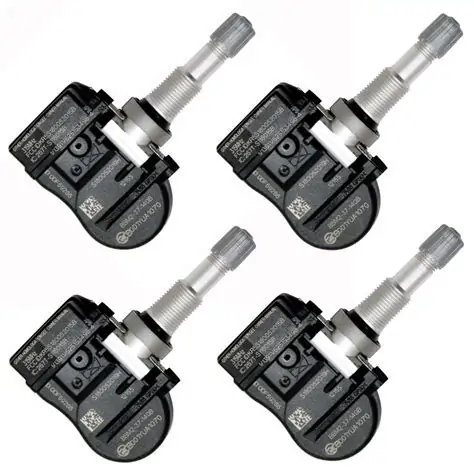
Discover what TPMS sensors are, their importance, how they work, signs of failure, and guidance on replacing them for optimal vehicle safety.When it comes to maintaining a safe and efficient vehicle, understanding the intricacies of your car’s systems is crucial. One such system is the Tire Pressure Monitoring System (TPMS), especially if you own a Mazda 3. This innovative technology plays a vital role in ensuring your tires are properly inflated, directly impacting your vehicle’s performance and safety. In this blog post, we will delve into the fundamentals of TPMS sensors by exploring what they are and how they function. We’ll discuss the importance of regular monitoring, signs that may indicate a failing sensor, and what you need to know about replacing TPMS sensors in your Mazda 3. By the end of this article, you’ll have a deeper understanding of these essential components and their significance in your everyday driving experience.
What is a TPMS Sensor?
A TPMS sensor, or Tire Pressure Monitoring System sensor, is a crucial component in modern vehicles designed to monitor the air pressure in the tires. The primary purpose of TPMS sensors is to alert the driver when tire pressure falls below a specified threshold, which can indicate underinflation or potential tire issues.
There are two main types of TPMS sensors: direct and indirect.
- Direct TPMS: These sensors are installed inside each tire and measure the actual air pressure. They transmit this data to the vehicle’s onboard computer, which processes the information and relays warnings to the driver if tire pressure is too low.
- Indirect TPMS: This system does not use physical sensors in the tires. Instead, it analyzes the wheel speed data from the anti-lock braking system (ABS) to estimate tire pressure. If one tire’s RPM differs significantly from the others, it implies an issue with tire inflation.
Understanding the role of TPMS sensors is vital, especially for Mazda 3 owners, as the proper functionality of these sensors contributes to vehicle safety and performance. A malfunctioning TPMS sensor can lead to undetected tire pressure issues, increasing the risk of accidents and tire damage.
In summary, a TPMS sensor plays a key role in maintaining optimal tire pressure, improving fuel efficiency, and enhancing the overall safety of your vehicle.
Importance of TPMS Sensors
The Tire Pressure Monitoring System (TPMS) sensors play a crucial role in maintaining vehicle safety and performance, particularly in vehicles like the Mazda 3. These sensors continuously monitor the air pressure in each tire and alert the driver when any tire is significantly under-inflated. Below are some key reasons why TPMS sensors are important:
- Enhanced Safety: Proper tire pressure ensures optimal handling and stability while driving. Under-inflated tires can lead to blowouts or loss of control, increasing the risk of accidents.
- Improved Fuel Efficiency: Tires that are properly inflated minimize rolling resistance, which can lead to better fuel economy. Studies suggest that maintaining the correct tire pressure can improve mileage by up to 3%.
- Extended Tire Life: Monitoring tire pressure helps in reducing uneven tire wear. This can significantly extend the life of your tires, saving you money on replacements.
- Environmental Benefits: By ensuring tires are inflated to the correct levels, TPMS sensors help reduce emissions. Improved fuel efficiency also means less environmental impact due to lower fuel consumption.
- Reliability and Performance: Consistent monitoring allows drivers to maintain optimal tire conditions, which leads to better overall vehicle performance, ensuring a smoother ride and quicker reaction times.
Moreover, the Mazda 3 features an advanced TPMS that provides real-time data and warnings to the driver, making it easier to take prompt action when necessary. Ignoring TPMS alerts can lead to serious safety issues and increased maintenance costs. Therefore, understanding the importance of TPMS sensors is key to responsible vehicle ownership.
How TPMS Sensors Work
The Tyre Pressure Monitoring System (TPMS) is an essential feature in modern vehicles, including the Mazda 3, ensuring safe and efficient driving by monitoring the air pressure in the tyres. Understanding how TPMS sensors work can help you appreciate their role in vehicle safety and performance.
Types of TPMS Sensors
There are two primary types of TPMS sensors:
- Direct TPMS: This system uses pressure sensors located within each tyre, providing real-time readings of tyre pressure directly to the vehicle’s onboard computer.
- Indirect TPMS: This system does not employ dedicated sensors in the tyres. Instead, it uses the vehicle’s ABS (anti-lock braking system) speed sensors to infer changes in tyre pressure based on the rotational speed of the tyres.
How Direct TPMS Sensors Function
In vehicles equipped with direct TPMS, each tyre has its own sensor that continuously monitors the tyre’s air pressure. Here’s how they work:
- The TPMS sensor detects the air pressure within the tyre.
- If the pressure drops below a predetermined threshold, the sensor triggers a warning light on the vehicle’s dashboard.
- The sensor communicates wirelessly with the vehicle’s central computer, sending its measurements and status in real-time.
- The dashboard warning alerts the driver, promoting timely action to inflate the tyre or address any leaks.
How Indirect TPMS Sensors Work
For indirect TPMS systems, the functionality is slightly different:
- Instead of direct measurements, the system gauges tyre pressure by analyzing the rotation speed of the tyres, which is monitored by the ABS sensors.
- If a tyre is under-inflated, its radius will be smaller, causing it to rotate faster than properly inflated tyres.
- The system calculates relative tyre pressures based on these rotation differences, alerting the driver when discrepancies are detected.
Importance of Accurate Readings
Maintaining correct tyre pressure is crucial for numerous reasons:
- Enhances fuel efficiency
- Improves vehicle safety and handling
- Reduces tyre wear
- Helps prevent blowouts and ensures optimal braking performance
Understanding how TPMS sensors work, especially in a vehicle like the Mazda 3, is fundamental to ensuring that your vehicle remains safe and performs at its best. Regular checks and awareness of the TPMS alerts will contribute significantly to your overall driving experience.
Signs of TPMS Sensor Failure
The Tire Pressure Monitoring System (TPMS) is a crucial component of your car that ensures your tires are properly inflated, enhancing safety and fuel efficiency. In the case of the Mazda 3, recognizing the signs of TPMS sensor failure is vital for maintaining optimal vehicle performance. Here are some common indicators that your TPMS sensors may need attention:
- Illuminated TPMS Warning Light: The first and most obvious sign of a failing TPMS sensor is the appearance of the warning light on your dashboard. If it stays illuminated even after checking and adjusting your tire pressures, it may indicate a sensor issue.
- Inaccurate Tire Pressure Readings: If you notice your TPMS is giving incorrect readings, such as showing higher or lower tire pressures than they actually are, this could be a sign of malfunctioning sensors.
- Frequent Loss of Pressure: If your tires frequently lose pressure despite being regularly checked and appropriately inflated, it can indicate a failing TPMS sensor that is not accurately monitoring tire conditions.
- Unresponsive Sensors: If the sensors do not respond when you adjust tire pressures or if the warning light does not reset, this could signal a sensor failure.
- Physical Damage to Sensors: Inspect your tires and valve stems for signs of physical damage. Broken or corroded sensors can lead to TPMS malfunction.
If you notice any of these signs in your Mazda 3, it is essential to have your TPMS system inspected by a professional. Early detection and replacement of faulty TPMS sensors can help prevent further complications and ensure a safe driving experience.
Replacing TPMS Sensors
Replacing your TPMS sensors is a crucial maintenance task that enhances the safety and performance of your vehicle, particularly for models like the Mazda 3. Knowing when and how to replace these sensors can save you from unnecessary tire wear and improve your overall driving experience.
When to Replace TPMS Sensors
There are several indicators that it may be time to replace your TPMS sensors, including:
- The TPMS warning light on your dashboard illuminates.
- Your tires frequently appear to be under or over-inflated.
- You experience inconsistent readings from your tire pressure gauge.
- The sensors are over five years old or have been damaged.
Steps to Replace TPMS Sensors
Replacing TPMS sensors can be undertaken either by a professional or as a DIY project. Below are steps you can follow if you choose to do it yourself:
- Gather Necessary Tools: You’ll need a jack, a lug wrench, a TPMS tool, and new sensors.
- Lift the Vehicle: Use a jack to raise the car to access the tires easily.
- Remove the Tires: Use the lug wrench to loosen and remove the lug nuts, then take off the tire.
- Access the TPMS Sensor: Locate the TPMS sensor, usually fixed to the valve stem of the tire.
- Replace the Old Sensor: Remove the old sensor carefully and replace it with the new one. Ensure a tight seal.
- Reattach the Tire: Put the tire back on the axle, securing it with the lug nuts.
- Reset the TPMS System: Use a TPMS tool to reset the system. Follow the manufacturer’s instructions, or consult your vehicle’s manual.
Consider Professional Help
If you’re not comfortable performing the replacement yourself, it’s wise to consult a professional. Mechanics can ensure that the TPMS sensors are installed correctly and are calibrated to your vehicle’s system.
Caring for Your New TPMS Sensors
To extend the life of your new TPMS sensors, consider the following tips:
- Regularly check your tire pressure.
- Keep your tires properly inflated and aligned.
- Avoid potholes and rough terrains that could damage the sensors.
By being vigilant and proactive in replacing your TPMS sensors, you ensure a safer and smoother ride in your Mazda 3.
Frequently Asked Questions
What is a TPMS sensor and why is it important for the Mazda 3?
A TPMS (Tire Pressure Monitoring System) sensor is a device that monitors the air pressure inside the tires of a vehicle. It is important for the Mazda 3 as it helps to ensure optimal tire pressure, improving safety, fuel efficiency, and tire longevity.
How do you know if the TPMS sensor is malfunctioning in your Mazda 3?
Signs of a malfunctioning TPMS sensor in a Mazda 3 include the tire pressure warning light illuminating on the dashboard, fluctuating tire pressure readings, or a complete failure of the system to alert you of low tire pressure.
Can you replace the TPMS sensor in a Mazda 3 yourself?
While it is possible to replace the TPMS sensor yourself in a Mazda 3, it requires specific tools and knowledge. If you’re not comfortable with tire maintenance, it’s recommended to seek professional help.
What are the steps to reset the TPMS sensor after replacing it in a Mazda 3?
To reset the TPMS sensor in a Mazda 3 after replacement, you should ensure the tires are properly inflated, then turn on the ignition without starting the engine. Press the TPMS reset button until the light blinks three times, then release it. Finally, turn the ignition off and start the vehicle.
What can happen if you ignore a malfunctioning TPMS sensor in your Mazda 3?
Ignoring a malfunctioning TPMS sensor can lead to under-inflated tires, which increases the risk of tire blowouts, reduces fuel efficiency, and can result in uneven tire wear, affecting the overall performance and safety of the vehicle.
How often should the TPMS sensor be checked or replaced in a Mazda 3?
It is advisable to check the TPMS sensor during regular vehicle maintenance checks, approximately every 5,000 to 7,500 miles. Sensors typically have a lifespan of 5-10 years, after which they may need to be replaced.
What is the cost of replacing a TPMS sensor in a Mazda 3?
The cost of replacing a TPMS sensor in a Mazda 3 can range from $50 to $150 per sensor, depending on the make, model, and whether you choose to have it done at a dealership or an independent shop.