
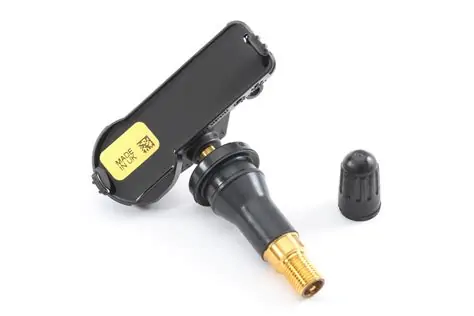
Discover the essentials of TPMS sensors, their importance, maintenance tips, troubleshooting common issues, and how to upgrade your Jeep JK’s TPMS sensor.If you’re a proud Jeep JK owner, understanding your vehicle’s Tire Pressure Monitoring System (TPMS) sensor is essential for optimal performance and safety. The TPMS sensor plays a crucial role in alerting you to any potential tire issues, helping to maintain proper tire pressure and enhance your driving experience. In this blog post, we’ll delve into the importance of TPMS sensors, explore proper maintenance practices, and guide you through troubleshooting common sensor issues. Additionally, we’ll look at options for upgrading your Jeep JK’s TPMS sensor to ensure you’re getting the best performance possible. Whether you’re a seasoned Jeep enthusiast or just starting your off-road journey, this comprehensive guide will provide you with the insights needed to keep your vehicle in top shape.
Understanding TPMS Sensor
The Tire Pressure Monitoring System (TPMS) sensor is a crucial component in modern vehicles, including the Jeep JK. Its primary function is to monitor the air pressure in each tire and ensure that they are within the manufacturer’s recommended levels. This system helps maintain optimal handling, fuel efficiency, and overall safety on the road.
TPMS sensors work by using direct or indirect methods:
- Direct TPMS: This method uses sensors mounted on each tire’s valve stem to directly measure the pressure. If the pressure drops below a certain threshold, the sensor sends a signal to the vehicle’s onboard computer, triggering a warning light on the dashboard.
- Indirect TPMS: Instead of measuring tire pressure directly, this system relies on the vehicle’s ABS (Anti-lock Braking System) speed sensors. It detects changes in wheel speed, which can indicate a difference in tire pressure. This method is generally less precise than direct TPMS.
In the Jeep JK, the TPMS sensor is vital for off-road driving as well. Maintaining the right tire pressure enhances traction, stability, and handling on various terrains. Additionally, under-inflated tires can lead to uneven wear and potential blowouts, making it imperative to keep these sensors in working order.
A well-functioning TPMS keeps you informed about your tire health and contributes significantly to a safer driving experience.
Overall, understanding the function and importance of TPMS sensors in your Jeep JK is essential for maintaining vehicle performance, safety, and longevity. Regularly checking these sensors and ensuring they are functioning correctly can prevent costly repairs and ensure a smoother ride.
Importance of TPMS Sensors
Tire Pressure Monitoring System (TPMS) sensors play a crucial role in ensuring the safety and performance of your vehicle, especially for off-road enthusiasts driving a Jeep JK. Understanding their importance can help you maintain your vehicle’s reliability and enhance your driving experience.
1. Enhanced Safety
One of the primary functions of TPMS sensors is to monitor tire pressure in real-time. Properly inflated tires are essential for control and stability during driving. Under-inflated tires can lead to blowouts or accidents. By ensuring that your tires are always at the recommended pressure, TPMS sensors help reduce the risk of dangerous driving conditions.
2. Improved Fuel Efficiency
Did you know that correctly inflated tires can improve fuel efficiency? When tires are under-inflated, they create more rolling resistance, resulting in a decrease in gas mileage. Using TPMS sensors to maintain optimal tire pressure can lead to significant savings at the pump over time.
3. Prolonged Tire Life
Maintaining the right tire pressure extends the life of your tires. TPMS sensors alert you to low pressure conditions before they start causing uneven wear, allowing you to take corrective action. This proactive maintenance not only saves money on tire replacements but also ensures better performance on the trails.
4. Compliance with Legal Requirements
In many regions, having a functioning TPMS sensor system is not just good practice but a legal requirement. Vehicles manufactured after certain model years are required to have TPMS systems installed. Ensuring that your Jeep JK is compliant keeps you on the right side of the law.
5. Detecting Other Issues
In addition to monitoring tire pressure, TPMS sensors can indicate other issues within the tire system. An alert from the TPMS can signal problems such as tire leaks, poor seal, or even issues with your wheel alignment. Catching these problems early can save you from costly repairs down the road.
Conclusion
Recognizing the importance of TPMS sensors in your Jeep JK is vital for maintaining both safety and performance. Regularly checking your TPMS system ensures that you are driving a vehicle that’s not just powerful but also safe and efficient.
Proper Maintenance for TPMS Sensors
Maintaining your TPMS sensors is crucial for ensuring the safety and efficiency of your vehicle, especially in a rugged machine like the Jeep JK. Here are some essential maintenance tips to keep your TPMS sensors in good working condition:
- Regular Inspections: Periodically check the tires for wear and tear, as well as the TPMS sensors themselves. Look for any signs of damage or corrosion that may affect sensor performance.
- Keep Tires Properly Inflated: Always maintain the recommended tire pressure as specified in your owner’s manual. This not only enhances safety but also prolongs the lifespan of your TPMS sensors.
- Monitor Battery Life: Most TPMS sensors have a built-in battery that has a limited lifespan. Regularly check the battery status and replace sensors as needed.
Additionally, when replacing tires or having tire service performed, inform the technician about the TPMS sensors. They should re-learn the sensors correctly to avoid malfunction.
Before making any adjustments or repairs, consider the following maintenance checklist:
| Maintenance Task | Frequency | Notes |
|---|---|---|
| Inspect sensors for damage | Every oil change | Look for cracks or corrosion |
| Check tire pressure | Monthly | Adjust as needed to meet specifications |
| Replace faulty sensors | As needed | Follow manufacturer recommendations |
By prioritizing proper maintenance of your TPMS sensors, you enhance your Jeep JK’s performance and ensure a smoother and safer driving experience. Remember that neglecting sensor maintenance can lead to inaccurate readings, which may result in tire blowouts or excessive wear.
Troubleshooting TPMS Sensor Issues
Tire Pressure Monitoring Systems (TPMS) are crucial for maintaining the safety and efficiency of your Jeep JK. However, like any technology, they can encounter issues. Identifying and resolving these problems is essential for ensuring optimal performance. Below are common TPMS sensor issues and their solutions.
Common TPMS Sensor Problems
- Warning Light Activation: This is the most common issue, indicating that one or more tires are not at the recommended pressure.
- Sensor Malfunction: Sometimes a sensor may fail due to battery depletion or damage.
- Frequent Fluctuation in Readings: Inconsistent pressure readings can signify electronic interference or a faulty sensor.
- Temperature Influence: Significant temperature changes can lead to changes in tire pressure, which may trigger the TPMS.
Identifying the Troubles
Use the following table to help diagnose your TPMS sensor issues:
| Issue | Possible Cause | Suggested Action |
|---|---|---|
| Warning Light On | Low Tire Pressure | Check tire pressures and inflate if necessary. |
| Warning Light Blinking | Sensor Malfunction | Have the sensor checked and/or replaced. |
| Inconsistent Readings | Faulty Sensor | Inspect and consider replacing the sensor. |
| Temperature Changes Affecting Pressure | Normal Variance | Monitor pressures regularly, especially in extreme temperatures. |
Steps to Troubleshoot Your Jeep JK TPMS
- Verify Tire Pressure: Begin by checking the tire pressure of all four tires using a reliable gauge.
- Reset the TPMS: Sometimes a simple reset can resolve minor glitches. Follow your owner’s manual for the correct reset procedure.
- Visual Inspection: Look for visible damage to tires and sensors, such as cracks, punctures, or wear.
- Use a TPMS Diagnostic Tool: If you have access to a diagnostic tool, it can provide error codes or sensor health check.
- Consult a Professional: If problems persist, it’s best to seek assistance from a certified mechanic.
“Regular maintenance and prompt troubleshooting can ensure that your TPMS remains functional, enhancing your Jeep JK’s safety and performance.”
By following these troubleshooting steps, you can effectively identify and resolve common TPMS sensor issues in your Jeep JK, keeping your vehicle safe and efficient on the road.
Upgrading Your Jeep JK TPMS Sensor
The TPMS (Tire Pressure Monitoring System) sensor is a crucial component in maintaining tire safety and performance for your Jeep JK. As vehicle technology evolves, upgrading your TPMS sensor can enhance reliability, functionality, and accuracy. In this section, we will explore the steps and considerations for upgrading your Jeep JK TPMS sensor.
Why Upgrade Your TPMS Sensor?
- Improved Accuracy: With newer technology, upgraded TPMS sensors can provide more accurate tire pressure readings.
- Enhanced Durability: Newer sensors may be made with advanced materials that resist wear and tear better than older models.
- Additional Features: Upgraded sensors often come with advanced features like real-time tire temperature monitoring and compatibility with smartphone apps.
Choosing the Right TPMS Sensor
When selecting a replacement TPMS sensor for your Jeep JK, consider the following factors:
| Factor | Consideration |
|---|---|
| Compatibility | Ensure the sensor is compatible with the year and model of your Jeep JK. |
| Brand Quality | Opt for reputable brands known for reliability and performance. |
| Technology | Consider sensors with advanced features like direct communication and easy installation. |
| Cost | While price is important, prioritize quality and features to avoid future costs. |
Installation Process
Here is a simplified guide to upgrading your TPMS sensor:
- Gather Tools: You’ll need a tire pressure gauge, a wrench, and possibly a TPMS tool for initialization.
- Remove Wheel: Safely lift your Jeep JK using a jack and remove the wheel where you’ll be replacing the TPMS sensor.
- Gain Access: Locate the TPMS sensor inside the tire, which is usually attached to the valve stem.
- Replace Sensor: Carefully remove the old sensor and install the new one, following the manufacturer’s instructions.
- Reinstall Wheel: Put the wheel back in place and ensure all bolts are securely fastened.
- Initialization: Use a TPMS tool to reset the system and ensure the new sensor communicates properly with the onboard computer.
Post-Installation Checks
After installation, it’s essential to perform some checks:
- Check Tire Pressure: Use a tire pressure gauge to ensure all tires are at the recommended pressure.
- Monitor Readings: Pay attention to the dashboard for any warning lights indicating issues with the new TPMS sensor.
- Test Drive: Take your Jeep for a short drive to ensure that the new sensor functions correctly and communicates with the vehicle’s system.
Upgrading your Jeep JK TPMS sensor can significantly improve tire safety and vehicle performance. By following the right steps and mak
Frequently Asked Questions
What is a TPMS sensor in a Jeep JK?
A TPMS (Tire Pressure Monitoring System) sensor in a Jeep JK is a device that monitors the air pressure inside the tires and alerts the driver when the pressure is too low.
Why is it important to have a functioning TPMS sensor?
A functioning TPMS sensor is important for safety and fuel efficiency, as it helps prevent under-inflated tires that can lead to blowouts, reduced handling, and increased fuel consumption.
How can I tell if my Jeep JK’s TPMS sensor is malfunctioning?
Signs of a malfunctioning TPMS sensor include a warning light on the dashboard, inaccurate tire pressure readings, or difficulty in resetting the system after changing tires or rotating them.
Can I replace a TPMS sensor myself?
Yes, you can replace a TPMS sensor yourself if you have the right tools and some mechanical knowledge, but it’s often recommended to consult a professional to ensure proper installation and calibration.
What tools do I need to replace a Jeep JK TPMS sensor?
To replace a Jeep JK TPMS sensor, you typically need a tire pressure gauge, a socket set, a torque wrench, and possibly a TPMS activation tool.
How often should I check my Jeep JK’s tire pressure?
It’s recommended to check your Jeep JK’s tire pressure at least once a month and before long trips to ensure optimal performance and safety.
What should I do if my TPMS light stays on after a tire pressure adjustment?
If the TPMS light stays on after adjusting tire pressures, you may need to reset the TPMS system or check for a malfunctioning sensor, as it could indicate an underlying issue.