
Learn about TPMS sensors, their testing importance, methods, and a step-by-step guide to interpret test results effectively.Maintaining the safety and performance of your vehicle goes beyond routine oil changes and tire rotations; it also involves keeping an eye on your Tire Pressure Monitoring System (TPMS). These sensors play a crucial role in alerting you to any tire pressure issues, helping to prevent potentially dangerous blowouts and enhancing fuel efficiency. In this blog post, we will delve into the essential aspects of TPMS sensors, highlighting the importance of regular testing to ensure they function effectively. We will explore various methods for testing these sensors, provide a detailed step-by-step guide, and offer insights on interpreting test results. By the end, you’ll be equipped with the knowledge to keep your TPMS in top shape and enhance your driving safety. Let’s roll into the world of TPMS testing!
Understanding TPMS Sensors
TPMS stands for Tire Pressure Monitoring System, a crucial safety feature in modern vehicles designed to monitor the air pressure in the tires.
The primary function of TPMS sensors is to alert drivers when tire pressure falls below a specified threshold, thereby preventing potential accidents and ensuring optimal fuel efficiency. These sensors can be categorized into two types:
- Direct TPMS: These sensors are mounted on the valve stem of each tire, directly measuring the pressure inside. If the pressure falls below a certain level, the sensor triggers a warning light on the dashboard.
- Indirect TPMS: This system does not measure tire pressure directly. Instead, it uses the vehicle’s ABS (Anti-lock Braking System) sensors to monitor wheel rotation. If it detects a drop in the rotational speed of a tire, it infers that the tire pressure is low.
The importance of TPMS sensors cannot be overstated. They play a vital role in:
- Enhancing Safety: Proper tire pressure reduces the risk of accidents caused by tire blowouts or poor traction.
- Improving Fuel Efficiency: Maintaining optimal tire pressure can lead to better fuel economy.
- Extending Tire Life: Keeping tires inflated within the recommended levels can prolong their lifespan.
In summary, understanding TPMS sensors is essential for every vehicle owner. Regular monitoring and timely maintenance can lead to safer driving experiences and lower overall costs associated with tire maintenance.
Importance of Regular TPMS Testing
The Tire Pressure Monitoring System (TPMS) plays a crucial role in ensuring the safety and efficiency of your vehicle. Regular testing of TPMS sensors is essential for several reasons:
- Safety Concerns: Under-inflated or over-inflated tires can lead to decreased vehicle control and increased risks of tire blowouts. By regularly testing your TPMS sensors, you can ensure that they accurately monitor tire pressure, maintaining your safety on the road.
- Fuel Efficiency: Properly inflated tires help improve fuel efficiency. When tire pressure is optimal, the vehicle experiences less rolling resistance, which translates into better mileage. Regular TPMS testing helps achieve this goal.
- Extended Tire Life: Monitoring tire pressure through a functioning TPMS can prevent uneven tire wear. By regularly testing your sensors, you can ensure they’re working correctly, ultimately extending the lifespan of your tires.
It’s important to remember that periodically checking your TPMS helps keep your vehicle’s safety systems in optimal condition:
A well-maintained TPMS not only promotes safety but can save significant costs in fuel and tire replacements. – Automotive Expert
In addition, many vehicles today feature advanced TPMS technology that can alert the driver to potential tire issues well before they become critical. Regular testing ensures that these alerts remain functional and timely.
By prioritizing regular TPMS testing, vehicle owners can enhance their driving experience, ensuring their safety and optimizing vehicle performance.
Methods for Testing TPMS Sensors
Testing TPMS (Tire Pressure Monitoring System) sensors is crucial for maintaining vehicle safety and efficiency. There are several methods available to ensure these sensors are functioning correctly. Below, we’ll explore various techniques for testing TPMS sensors effectively.
1. Visual Inspection
A simple yet effective way to check TPMS sensors is through visual inspection. This involves examining the tire valve stems and sensor housing for any signs of damage, corrosion, or leaks. Key points to look out for include:
- Cracks or fractures in the sensor casing
- Rust or corrosion on metal parts
- Loose connections
2. Using a TPMS Tool
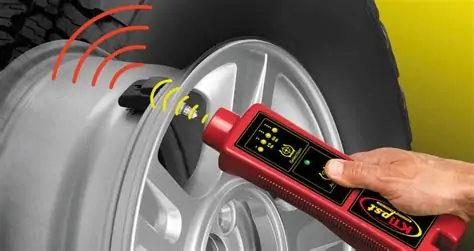
Using a TPMS tool is one of the most efficient methods for testing TPMS sensors. These handheld devices can read sensor data quickly and accurately. Here’s how to use a TPMS tool:
- Turn on the TPMS tool.
- Place the tool near the tire’s valve stem.
- Activate the tire sensor (some sensors activate automatically, while others may require a manual trigger).
- Read the data displayed, which may include tire pressure, sensor ID, and battery status.
3. On-Vehicle Testing with a Diagnostic Scanner
For more comprehensive analysis, consider using a diagnostic scanner on the vehicle. This method provides more data and can help diagnose issues with the TPMS. Steps include:
- Connect the diagnostic scanner to the vehicle’s OBD-II port.
- Access the TPMS module and view odometer readings and other parameters.
- Check for any diagnostic trouble codes related to the TPMS.
4. Tire Pressure Check
Confirming that the tire pressures align with the manufacturer’s specifications is essential. Use a digital tire pressure gauge to accurately measure the pressure of each tire. Ensure:
- Each tire’s pressure matches the recommended levels.
- If discrepancies arise, check the sensor’s functionality as well.
5. Battery Check
Many TPMS sensors operate on batteries that have a limited lifespan. If a sensor is acting erratically, it could be due to a weak battery. To check:
- Use a battery tester designed for small batteries.
- Replace the battery if it is below the specified voltage.
By using these methods, vehicle owners can ensure that their TPMS sensors remain in optimal working condition, ensuring safety and efficiency on the road.
Step-by-Step TPMS Sensor Testing Guide
Testing your TPMS (Tire Pressure Monitoring System) sensors regularly is crucial for maintaining safe driving conditions. Here’s a comprehensive step-by-step guide to assist you in testing your TPMS sensors effectively.
Tools You Will Need:
- TPMS Tool (either handheld or with a vehicle diagnostic scanner)
- Socket set or ratchet wrench
- Multimeter (optional for advanced testing)
- Tire pressure gauge
- Owner’s Manual
Step 1: Prepare the Vehicle
Ensure that the vehicle is parked on a level surface. Turn off the ignition and remove the keys. This is important for safety and to prevent any unexpected alerts from the TPMS system.
Step 2: Identify the TPMS Sensors
Locate the TPMS sensors in each tire. Many vehicles have sensors installed inside the tire valve stem, while some may be located differently based on the manufacturer.
Step 3: Check Tire Pressure
Before testing the sensors, use a tire pressure gauge to measure the current tire pressure in each tire. Make a note of the readings, as you will need to compare these with the TPMS system readings.
Step 4: Activate the TPMS Tool
Turn on your TPMS tool and follow the manufacturer’s instructions to enter the TPMS diagnostic mode. This will allow you to read the sensor data and check for any fault codes.
Step 5: Test Each Sensor
Using the TPMS tool, activate each sensor one at a time by placing the tool close to the tire sidewall. Verify that the system recognizes each sensor.
Note: Some TPMS tools may require you to press a button to transmit a signal to the sensor, while others can automatically detect the sensor when brought close to it.
Step 6: Compare Readings
Check the readings displayed on the TPMS tool. Compare these with the tire pressure readings taken earlier. If the values vary significantly, there might be an issue with the sensor or the valve.
Step 7: Inspect Sensors Physically
Remove the tire if any sensor is not functioning correctly. Check the sensor’s condition, including any signs of corrosion or damage. Replace if necessary. Additionally, inspect the valve stem for cracks or leaks.
Step 8: Reset the TPMS System
Once testing and any necessary repairs are complete, reset the TPMS system according to the manufacturer’s instructions in the owner’s manual. This could involve turning on the ignition, holding the reset button, or using the TPMS tool.
Step 9: Final Check
After resetting, take the vehicle for a short drive. The TPMS light should turn off, indicating that all sensors are functioning correctly. Re-check the tire pressures again to ensure everything is in order.
Regular testing of your TPMS sensors not only ensures better vehicular safety but can also improve your vehicle’s fuel efficiency and extend tire life.
Interpreting TPMS Sensor Test Results
When it comes to TPMS (Tire Pressure Monitoring System) sensors, correctly interpreting test results is crucial for maintaining vehicle safety and performance. A clear understanding of your TPMS test results can help identify underlying issues and ensure that your vehicle is running optimally.
Common Test Results and Their Meanings
| Test Result | Interpretation |
|---|---|
| No Faults Detected | The TPMS sensors are functioning correctly, and tire pressures are within the recommended range. |
| Low Tire Pressure Warning | One or more tires are under-inflated. Immediate inflation to the recommended pressure is advised. |
| Failed Sensor Communication | The TPMS sensor is not communicating with the vehicle’s ECU. This may be due to a dead battery or a fault in the sensor. |
| Sensor Malfunction | The sensor has a permanent fault and may need to be replaced. |
Steps to Follow After Interpreting Results
- Inspect Tires: Physical inspection of the tires is crucial to verify if there are any visible damages or visible pressure issues.
- Check TPMS Readings: Use a TPMS tool to check the actual tire pressures and compare them against the system’s reported values.
- Replace Faulty Sensors: If a sensor is identified as faulty, replace it promptly to ensure the system works efficiently.
- Clear Fault Codes: After repairs, use a scan tool to clear any fault codes related to the TPMS.
Consult a Professional
If results are inconsistent or unclear, it is advisable to consult a professional mechanic. They can perform detailed diagnostics and provide tailored solutions based on the vehicle’s specific issue.
Understanding and interpreting TPMS sensor test results correctly can prevent costly repairs down the road and enhance overall vehicle safety.
Frequently Asked Questions
What does TPMS stand for?
TPMS stands for Tire Pressure Monitoring System, which is designed to monitor the air pressure in a vehicle’s tires.
Why is testing TPMS sensors important?
Testing TPMS sensors is important to ensure that they are functioning correctly, which helps maintain proper tire pressure, enhances vehicle safety, and improves fuel efficiency.
What tools are needed to test TPMS sensors?
To test TPMS sensors, you may need tools such as a TPMS scanner, a digital pressure gauge, and possibly tire-changing tools if you need to access the sensors directly.
How can I check if my TPMS sensor is working?
You can check if your TPMS sensor is working by using a TPMS scanner to retrieve the sensor data, or by manually inspecting if the TPMS warning light is on your dashboard.
Can I test TPMS sensors without removing the tires?
Yes, you can test TPMS sensors without removing the tires by using a TPMS scanner or a specific tool that can communicate with the sensors wirelessly.
What are the common symptoms of a faulty TPMS sensor?
Common symptoms of a faulty TPMS sensor include a continuously illuminated TPMS warning light, incorrect tire pressure readings, and unusual tire wear.
How often should I test my TPMS sensors?
It’s recommended to test your TPMS sensors at least once a year and before long trips or seasonal changes to ensure they function properly.