
Discover the essentials of TPMS sensors, their types, importance, key factors for selection, and leading brands for optimal vehicle safety.When it comes to maintaining vehicle safety and performance, tire pressure monitoring systems (TPMS) play a crucial role. A TPMS sensor is an essential component that helps drivers keep an eye on their tire pressures, ensuring optimal performance and fuel efficiency. With various types of TPMS systems available, understanding their functionality and benefits can greatly enhance your driving experience. In this blog post, we’ll explore the significance of TPMS sensors, the different types of systems on the market, and the key factors to consider when selecting the right sensor for your vehicle. Additionally, we’ll highlight some of the top brands renowned for their reliability and innovation in TPMS technology. Whether you’re a seasoned driver or a new car owner, this guide will equip you with the knowledge needed to make informed decisions about TPMS sensors.
What is a TPMS Sensor?
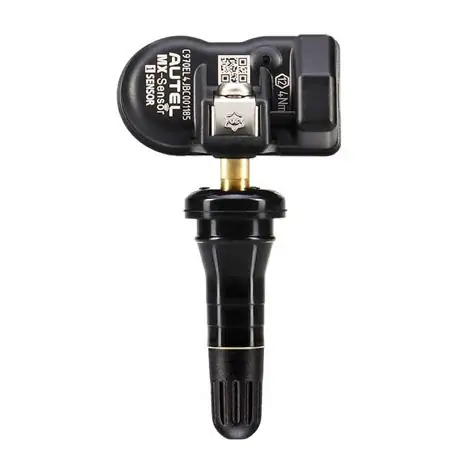
A TPMS sensor, or Tire Pressure Monitoring System sensor, is a crucial component in modern vehicles designed to monitor the air pressure within the tires. These sensors play a significant role in enhancing vehicle safety and performance by providing real-time data on tire pressure to the driver.
There are two main types of TPMS sensors:
- Direct TPMS: This type uses sensors mounted directly on each tire’s valve stem. It measures the actual tire pressure and sends this information to the vehicle’s onboard computer.
- Indirect TPMS: This system does not use physical pressure sensors. Instead, it relies on the vehicle’s ABS (anti-lock braking system) to monitor the speed of each wheel. A drop in tire pressure causes the wheel to rotate at a different speed compared to the other tires, triggering a warning.
The importance of TPMS sensors cannot be overstated. Proper tire pressure is crucial for:
- Ensuring optimal fuel efficiency
- Improving vehicle handling and safety
- Prolonging the life of the tires
- Reducing emissions by maximizing fuel economy
By alerting drivers to low tire pressure, TPMS sensors help in preventing dangerous blowsouts and can enhance overall driving experience. Regularly checking and maintaining proper tire pressure as per the recommendations of the vehicle manufacturer, can greatly reduce the chances of tire-related issues on the road.
In summary, a TPMS sensor is a vital component that helps monitor tire pressure, ensuring safety and efficiency while driving.
Types of TPMS Systems
Tire Pressure Monitoring Systems (TPMS) are essential safety features in modern vehicles, designed to monitor tire pressure and provide alerts to drivers when tire pressure falls below recommended levels. There are two primary types of TPMS systems: Direct TPMS and Indirect TPMS. Each type has its own unique characteristics and functionalities:
| Type | Description | Advantages | Disadvantages |
|---|---|---|---|
| Direct TPMS | Uses sensors mounted on each tire to directly measure tire pressure. |
|
|
| Indirect TPMS | Relies on the vehicle’s ABS (Anti-lock Braking System) wheel speed sensors to detect changes in tire pressure. |
|
|
Understanding the differences between these two types of TPMS systems can assist vehicle owners in making informed decisions regarding tire safety and maintenance. Whether a vehicle uses direct or indirect TPMS, the importance of monitoring tire pressure cannot be overstated, as it plays a crucial role in overall vehicle performance and safety.
Importance of TPMS Sensors
Tire Pressure Monitoring Systems (TPMS) play a pivotal role in maintaining vehicle safety and performance. Understanding the importance of TPMS sensors can not only enhance your driving experience but also prolong the life of your tires. Here are some key reasons why TPMS sensors are essential:
- Safety: The primary function of TPMS sensors is to monitor tire pressure and alert drivers to any significant changes. Proper tire pressure ensures better grip and handling, which is crucial for road safety.
- Fuel Efficiency: Under-inflated tires can cause a vehicle to consume more fuel. By maintaining the correct tire pressure with the help of TPMS sensors, drivers can improve their vehicle’s fuel efficiency and reduce carbon emissions.
- Extended Tire Life: Consistent monitoring of tire pressure helps in identifying issues early on. By addressing under-inflation or over-inflation, drivers can extend the lifespan of their tires, saving money in the long run.
- Enhanced Performance: Properly inflated tires ensure optimal performance. TPMS sensors help maintain the right pressure, which contributes to better handling, braking, and overall vehicle dynamics.
- Legal Compliance: In many regions, vehicles are required to be equipped with TPMS. Using these systems ensures compliance with safety regulations and can prevent legal issues.
In summary, the importance of TPMS sensors cannot be overstated. They not only enhance safety and performance but also contribute to fuel efficiency and tire longevity. Investing in reliable TPMS sensors is crucial for any vehicle owner aiming to maintain their car in the best condition possible.
Factors to Consider When Choosing TPMS Sensors
When selecting the best TPMS sensor for your vehicle, there are several key factors that you should consider to ensure optimal performance and safety. Tire Pressure Monitoring Systems (TPMS) play a crucial role in maintaining tire health by providing real-time pressure data, which can prevent accidents and improve fuel efficiency. Here are the essential factors to keep in mind:
- Compatibility: Ensure that the TPMS sensor you choose is compatible with your vehicle’s make and model. Some sensors are universal, while others are specific to certain manufacturers.
- Sensor Type: There are two main types of TPMS sensors – direct and indirect. Direct sensors measure the actual tire pressure, while indirect systems use ABS data to estimate pressure levels. Your choice will depend on your specific needs.
- Battery Life: Check the battery life of the TPMS sensors. Most direct TPMS sensors have a built-in battery that can last anywhere from 5 to 10 years. Consider sensors with a long battery life to avoid frequent replacements.
- Ease of Installation: Opt for TPMS sensors that are easy to install. Some models come with a simple DIY installation kit, while others might require professional assistance. Determine your comfort level with installation before making a purchase.
- Data Frequency: Look for sensors that transmit data frequently. Higher frequency sensors can provide real-time alerts regarding tire pressure changes, allowing you to address issues promptly.
- Durability: Choose sensors made from high-quality materials that can withstand various weather conditions and resist damage from road debris.
- Cost: While it’s important to find a reliable TPMS sensor, consider your budget. Prices can vary significantly, so look for a balance between quality and affordability.
Incorporating these factors into your decision-making process will help you find the best TPMS sensor for your vehicle, ensuring enhanced safety and performance on the road.
Top Brands for TPMS Sensors
When it comes to vehicle safety and performance, investing in high-quality TPMS sensors is crucial. A reliable TPMS (Tire Pressure Monitoring System) helps monitor tire pressure and ensures your tires are properly inflated, enhancing safety and fuel efficiency. In this article, we will explore some of the top brands in the market that offer exceptional TPMS sensors.
1. Schrader
Schrader is a well-known name in the automotive industry, recognized for its high-quality TPMS sensors. The company provides innovative solutions with products that are designed for easy installation and accurate tire pressure readings. Some key features include:
- Durability: Built to withstand extreme conditions.
- Compatibility: Suitable for various vehicle makes and models.
- Reliability: Offers consistent performance and longevity.
2. Continental
Continental offers a range of TPMS sensors known for their precision and advanced technology. Their products are engineered to meet high standards of performance and are often favored by automotive manufacturers globally.
Continental TPMS sensors are designed for accuracy and reliability, ensuring optimal tire pressure management.”
- Advanced technology: Equipped with innovative pressure monitoring technology.
- Efficiency: Improves fuel economy through effective tire inflation management.
- Integration: Easily integrates with existing vehicle systems.
3. Denso
Denso is another leading brand in the automotive sector, specializing in TPMS sensors that offer exceptional value for money. Their sensors are designed to provide precise readings and are known for their quick response times.
- Performance: Fast and accurate tire pressure readings.
- Quality assurance: Rigorously tested for reliability and performance.
- Warranty: Often backed by a solid warranty for peace of mind.
4. ACDelco
ACDelco is a trusted name in vehicle parts, and their TPMS sensors are no exception. They offer a wide range of TPMS solutions suitable for various vehicle types.
- Wide selection: A diverse range of sensors for different models and makes.
- Affordable: Competitive pricing without compromising on quality.
- Customer support: Excellent customer service and support.
5. Autel
Autel is gaining popularity for its innovative approach to TPMS technology. Their products often come with advanced features like sensor activation and programming tools.
- Versatile tools: Offers comprehensive TPMS diagnostic tools.
- Innovation: Continuously invests in the latest technology.
- Ease of use: User-friendly design for simple installation and calibration.
Choosing the right brand for TPMS sensors is essential for maintaining tire health and vehicle safety. Each of these brands offers unique benefits, making them popular choices among vehicle owners and professionals alike.
Frequently Asked Questions
What is a TPMS sensor?
A TPMS (Tire Pressure Monitoring System) sensor is a device that monitors the air pressure in tires and alerts the driver when tire pressure falls below a specified level.
Why is a TPMS sensor important for vehicle safety?
A TPMS sensor is crucial for vehicle safety as it helps maintain proper tire pressure, which improves handling, extends tire life, and reduces the risk of blowouts.
How do I know if my TPMS sensor is malfunctioning?
You may know your TPMS sensor is malfunctioning if the warning light on your dashboard stays illuminated even when tire pressures are correct, or if you notice discrepancies in pressure readings.
Can I replace a TPMS sensor myself?
While it is possible to replace a TPMS sensor yourself, it requires specific tools and knowledge about tire removal and sensor installation, so it may be best to consult a professional.
What are the top brands of TPMS sensors?
Some of the top brands of TPMS sensors include ACDelco, Schrader, VDO, and Denso, each offering a range of reliable options for vehicle types.
How often should I replace my TPMS sensors?
Generally, TPMS sensors should be replaced every 5 to 10 years, depending on the vehicle manufacturer’s recommendations and the wear and tear on the sensors.
Do all vehicles come with TPMS sensors?
Yes, most vehicles manufactured after 2007 are equipped with TPMS sensors due to regulatory requirements aimed at enhancing road safety.