
Learn about TPMS sensors, their importance, common issues, diagnosis methods, and steps for replacing the TPMS sensor on a Honda Odyssey.Keeping your Honda Odyssey in optimal condition is crucial for a safe and smooth driving experience. One vital component that plays a significant role in maintaining tire health is the Tire Pressure Monitoring System (TPMS) sensor. This small yet powerful device continuously monitors your tire pressure, alerting you to any discrepancies that could lead to performance issues or safety hazards. In this blog post, we’ll explore the fundamentals of TPMS sensors, their importance in vehicle maintenance, and some common problems you might encounter. Additionally, we’ll guide you through diagnosing TPMS sensor issues and outline the steps to replace a faulty sensor, ensuring that your Odyssey remains in peak condition on the road. Let’s dive into the world of TPMS sensors and discover how they contribute to your vehicle’s performance and safety.
What is TPMS sensor?
The TPMS sensor, or Tire Pressure Monitoring System sensor, is an essential component in modern vehicles that helps monitor the air pressure in the tires. This system plays a crucial role in ensuring the safety and efficiency of your vehicle while driving.
There are two primary types of TPMS: Direct TPMS and Indirect TPMS.
Direct TPMS
Direct TPMS uses sensors mounted inside each tire that measure the tire pressure in real-time. This information is sent to the vehicle’s onboard computer, which provides accurate pressure readings. If the pressure drops below a certain threshold, the system triggers a warning light on the dashboard.
Indirect TPMS
Indirect TPMS, on the other hand, does not use physical sensors inside the tires. Instead, it monitors the rotation speed of the tires through the vehicle’s ABS (Anti-lock Braking System). If a tire is under-inflated, it will have a different rotational speed compared to the others, triggering the warning system.
Functions of a TPMS Sensor
- Monitors tire pressure in real-time
- Alerts drivers when tire pressure is low
- Helps improve fuel efficiency
- Enhances vehicle safety
- Reduces tire wear and tear
The TPMS sensor is vital for maintaining tire health and overall vehicle safety. By ensuring that tires are adequately inflated, TPMS contributes to better fuel economy and enhances driving performance.
Importance of TPMS sensor
The Tire Pressure Monitoring System (TPMS) sensor is a crucial component of modern vehicles, including the Honda Odyssey. Its primary function is to monitor the tire pressure of your vehicle, ensuring that each tire is inflated to the manufacturer’s recommended level. Here’s why having a properly functioning TPMS sensor is of utmost importance:
- Enhanced Safety: Maintaining the correct tire pressure helps prevent tire blowouts, providing better control of the vehicle and reducing the likelihood of accidents.
- Improved Fuel Efficiency: Under-inflated tires create more rolling resistance, which can negatively impact gas mileage. A functioning TPMS sensor ensures you maintain optimal tire pressure, leading to better fuel economy.
- Prolonged Tire Life: Consistent monitoring of tire pressure helps reduce wear and tear on tires. Properly inflated tires can last longer, saving you money on premature replacements.
- Environmental Benefits: By improving fuel efficiency and prolonging tire life, a properly functioning TPMS sensor contributes to a lower carbon footprint, making it a more environmentally friendly choice.
- Convenient Alerts: The TPMS sensor provides timely alerts when tire pressure is too low, allowing you to address issues before they escalate into more significant problems.
In summary, the importance of the TPMS sensor cannot be overstated. For Honda Odyssey owners, ensuring that this system functions correctly is essential for safety, efficiency, and longevity of the tires.
Common TPMS sensor issues
The Tire Pressure Monitoring System (TPMS) is an essential component in modern vehicles, including the Honda Odyssey. While it serves to ensure optimal tire pressure and enhance safety, TPMS sensors can encounter various issues. Here we will discuss some of the common TPMS sensor problems that Honda Odyssey owners may face.
1. Low Battery Voltage
One of the prevalent issues with TPMS sensors is a low battery voltage. Each TPMS sensor contains a small battery that eventually depletes over time. When the battery is low, the sensor may not transmit data effectively, leading to inaccurate readings.
2. Sensor Malfunction
A malfunction in the TPMS sensor itself can cause warnings to appear on the dashboard. Factors contributing to sensor malfunctions can include:
- Physical damage from road debris
- Water ingress
- Manufacturer defects
3. Improper Tire Installation
If tires are installed improperly, it can negatively impact the TPMS sensor. For example, if the sensor is not set in the correct position during tire installation, it may lead to issues in reading the tire pressure accurately. This is particularly common when tires are replaced or rotated.
4. Incompatible Replacement Sensors
When replacing TPMS sensors, it’s crucial to use compatible OEM (Original Equipment Manufacturer) parts. Using generic or incompatible sensors can lead to frequent warnings, and may require additional recalibration.
Here’s a quick reference table of symptoms and possible causes:
| Symptoms | Possible Causes |
|---|---|
| TPMS warning light on dashboard | Low battery voltage, sensor malfunction |
| Inaccurate tire pressure readings | Improper tire installation, incompatible sensors |
| No communication with the ECU | Faulty wiring, sensor failure |
In summary, being aware of these common TPMS sensor issues can help you maintain the proper function of your TPMS and ensure safe driving. If you encounter any of these problems, consulting a qualified technician is recommended for accurate diagnostics and timely repairs.
How to diagnose TPMS sensor problems
The Tire Pressure Monitoring System (TPMS) is an essential safety feature in modern vehicles, including the Honda Odyssey. It helps ensure that your tires are properly inflated, which is critical for safety and fuel efficiency. However, like any sensor, the TPMS may encounter issues over time. Here’s how you can effectively diagnose TPMS sensor problems:
1. Check the TPMS Warning Light
The first step in diagnosing TPMS sensor problems is to pay attention to the warning light on your dashboard:
- Warning Light Illuminates: If the TPMS warning light is lit, it indicates a problem with one or more tires.
- Flashing Light: A flashing TPMS light can signify a problem with the sensor itself.
2. Visual Inspection of Tires
Conduct a visual inspection of your tires:
- Look for any visible signs of damage to the tires such as bulges, punctures, or excess wear.
- Check the tire pressure using a manual or digital tire pressure gauge.
3. Use an OBD-II Scanner
If the warning light persists, consider utilizing an OBD-II scanner:
- Connect the scanner to the vehicle’s diagnostics port.
- Check for any error codes related to the TPMS.
Common error codes may indicate issues like sensor failure, malfunction, or non-communication with the system.
4. Reset the TPMS
Sometimes, resetting the TPMS can resolve the sensor issues:
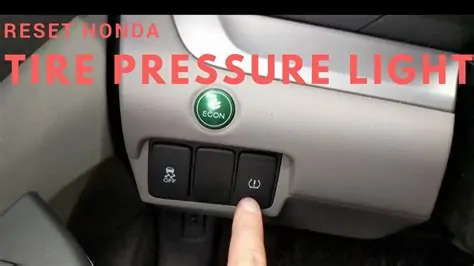
To reset the TPMS on a Honda Odyssey, turn the ignition key to the On position, but do not start the engine. Press and hold the TPMS reset button until the TPMS indicator blinks three times, then release it.
5. Check Battery Voltage of Sensors
In some cases, issues may arise from a weak battery in the TPMS sensor:
- Use a multimeter to check the voltage of the sensors.
- If voltage is low, it may be time to replace the sensors.
6. Consider Professional Diagnosis
If you are still unable to identify the problem, it may be best to seek the help of a professional mechanic:
- They can perform advanced diagnostics using specialized equipment.
- A professional may also be able to calibrate or replace malfunctioning sensors if necessary.
By following these steps, you can effectively diagnose TPMS sensor problems in your Honda Odyssey and ensure your vehicle remains safe on the road.
Replacing TPMS sensor on Honda Odyssey
When it comes to maintaining your Honda Odyssey, ensuring your Tire Pressure Monitoring System (TPMS) is functioning correctly is vital. The TPMS plays a crucial role in safety, alerting you to any issues with your tire pressure. If you’ve determined that a TPMS sensor needs replacing, follow these guidelines to successfully carry out the procedure.
Tools and Materials Needed
- New TPMS sensor
- Tire pressure gauge
- Tire iron
- Jack and jack stands
- Vehicle manual
Steps for Replacing the TPMS Sensor
- Ensure Safety: Park your Honda Odyssey on a flat surface, engage the parking brake, and turn off the engine before beginning any work.
- Lift the Vehicle: Use a jack to lift the front or rear of the Honda Odyssey, depending on which tire’s sensor needs replacing. Secure the vehicle with jack stands.
- Remove the Tire: Use a tire iron to loosen and remove the lug nuts from the wheel, then take off the tire to access the TPMS sensor.
- Replace the Sensor: Locate the TPMS sensor. It’s typically mounted on the valve stem of the tire. Disconnect the old sensor and replace it with the new one. Make sure it’s secured firmly.
- Reinstall the Tire: Place the tire back onto the wheel hub, and hand-tighten the lug nuts before securing them fully with the tire iron.
- Inflate the Tire: Use a tire pressure gauge to check the pressure and inflate to the recommended PSI level as indicated on the driver’s side door jamb or in the vehicle manual.
- Reset the TPMS: After replacing the sensor, turn on the ignition and reset the TPMS according to the instructions in your vehicle manual. This step is critical for the sensor to communicate with your vehicle’s computer.
- Test the System: Take your Honda Odyssey for a short drive. Observe if any TPMS warning lights illuminate on the dashboard. If everything is functioning correctly, the warning light should turn off.
Final Notes
Replacing a TPMS sensor on your Honda Odyssey can be a straightforward process if you have the proper tools and a bit of patience. Always consult your vehicle’s manual for specific instructions and specifications related to your model. Should you face any obstacles or lack the confidence in doing this yourself, do not hesitate to seek professional assistance.
Frequently Asked Questions
What is a TPMS sensor and why is it important for the Honda Odyssey?
A TPMS (Tire Pressure Monitoring System) sensor is a device that monitors the air pressure in the tires. It is crucial for the Honda Odyssey as it helps ensure optimal tire performance, improves fuel efficiency, and enhances safety by alerting the driver of low tire pressure.
How often should the TPMS sensors be checked in a Honda Odyssey?
TPMS sensors should be checked regularly, typically during routine tire maintenance or oil changes. It’s recommended to have them inspected at least once a year or if you notice any warning lights on the dashboard.
How do I know if my Honda Odyssey’s TPMS sensor is malfunctioning?
If the TPMS warning light on your dashboard stays illuminated or blinks intermittently, it may indicate a malfunction. Additionally, if you notice any discrepancies in tire pressure readings, this could be a sign of a faulty sensor.
Can I replace the TPMS sensor myself on a Honda Odyssey?
Yes, you can replace the TPMS sensor yourself if you have the necessary tools and knowledge. However, it’s recommended to consult a professional mechanic to ensure proper installation and calibration of the sensor.
What are the common symptoms of a failing TPMS sensor in the Honda Odyssey?
Common symptoms of a failing TPMS sensor can include the TPMS warning light being triggered, incorrect tire pressure readings, or persistent alerts despite proper tire inflation.
Does the Honda Odyssey require special tools for TPMS sensor replacement?
While basic tools like a tire iron and jack are needed, specific tools such as a TPMS sensor activation tool or a tire pressure gauge may be required to properly replace and reset the TPMS sensor.
What should I do if my Honda Odyssey’s TPMS light comes on?
If the TPMS light comes on, first check the tire pressures using a gauge. If they are low, inflate to the recommended levels. If the light remains on after correcting tire pressures, it may indicate a malfunctioning TPMS sensor that requires further inspection.