
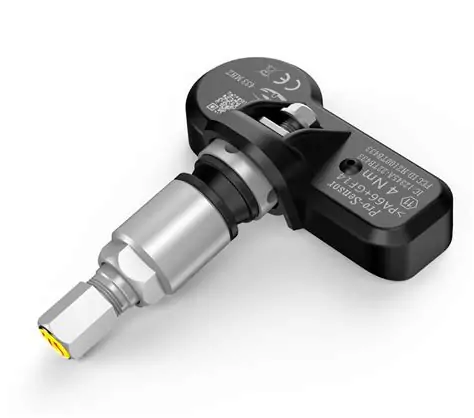
Explore TPMS sensors, their types, advantages, installation process, and maintenance tips for universal TPMS sensors to ensure optimal vehicle safety and performance.In today’s automotive landscape, ensuring tire safety and efficiency is more crucial than ever, and that’s where Tire Pressure Monitoring System (TPMS) sensors come into play. These innovative devices alert drivers to changing tire conditions, helping to prevent potential hazards. Among the various TPMS options available, universal TPMS sensors stand out for their versatility and compatibility across multiple vehicle makes and models. In this blog post, we’ll explore what a TPMS sensor is, delve into the different types of universal TPMS sensors, and highlight their advantages. We’ll also guide you through the installation process and share essential tips for maintaining these sensors to ensure optimal performance. Whether you’re an automotive enthusiast or just looking to enhance your vehicle’s safety, this comprehensive guide will provide valuable insights into universal TPMS sensors and their significance in modern driving.
What is a TPMS sensor?
A TPMS sensor, or Tire Pressure Monitoring System sensor, is a crucial component in modern vehicles that helps monitor the air pressure within your tires. By providing real-time data, these sensors play an important role in vehicle safety and performance.
There are two main types of TPMS sensors: direct and indirect.
| Type | Description |
|---|---|
| Direct TPMS | Uses sensors mounted on the wheel to measure tire pressure directly. |
| Indirect TPMS | Estimates tire pressure based on wheel speed sensors and other data from the vehicle’s ABS. |
TPMS sensors are designed to alert drivers when tire pressure falls below a specific threshold. This ensures better fuel efficiency, improved handling, and reduced tire wear.
When a TPMS sensor detects low tire pressure, a warning light appears on the vehicle’s dashboard. This early warning system can prevent blowouts and enhance overall safety on the road.
In summary, a TPMS sensor is an essential safety device that helps maintain optimal tire pressure, ensuring a safer driving experience and enhancing vehicle performance.
Types of universal TPMS sensors
Tire Pressure Monitoring Systems (TPMS) are crucial for vehicle safety, providing real-time information about tire pressure. As automotive technology advances, universal TPMS sensors have become a popular choice due to their compatibility with a wide range of vehicles. In this section, we will explore the different types of universal TPMS sensors, which can be broadly categorized into two main types: direct TPMS sensors and indirect TPMS sensors.
1. Direct TPMS Sensors
Direct TPMS sensors directly measure the air pressure in each tire and transmit this information to the vehicle’s onboard computer. These sensors are mounted on the valve stem inside each tire and provide accurate, real-time data. Here are some key features:
- Accuracy: They provide precise tire pressure readings.
- Real-time Monitoring: Changes in pressure are instantly reported.
- Battery-Operated: Typically powered by batteries that last several years.
2. Indirect TPMS Sensors
Indirect TPMS sensors do not measure tire pressure directly. Instead, they use the vehicle’s ABS (Anti-lock Braking System) sensors to detect differences in the rotation of the tires, which indicate a loss of pressure. Here are some characteristics of indirect TPMS:
- Cost-effective: Generally less expensive than direct sensors.
- No Battery Replacement: No batteries are required since they rely on the vehicle’s existing systems.
- Calibration Needed: They require recalibration after tire rotations or replacements.
3. Universal TPMS Sensors
Universal TPMS sensors are designed to work with various vehicle makes and models. They can often be programmed to match a specific vehicle’s parameters. The flexibility of these sensors comes with the following benefits:
- Wide Compatibility: They can work across multiple vehicle brands.
- Cost-effective Solution: Reduces the need for multiple sensor types.
- Easier Inventory Management: Ideal for workshops and retailers.
In summary, understanding the different types of universal TPMS sensors is essential for vehicle maintenance and safety. Whether opting for direct or indirect sensors, ensuring proper functionality will lead to better tire management and overall driving performance.
Advantages of universal TPMS sensors
A Tire Pressure Monitoring System (TPMS) is an essential component of modern vehicles, as it helps maintain optimal tire pressure and enhances safety. When considering TPMS options, universal TPMS sensors offer several advantages that make them an appealing choice for both consumers and automotive professionals. Here are some key benefits:
- Cost-Effective: Universal TPMS sensors are typically less expensive than OEM (original equipment manufacturer) sensors. This allows for a more affordable solution without compromising quality.
- Compatibility: As the name suggests, universal TPMS sensors are designed to be compatible with a wide range of vehicle makes and models, making them versatile for various applications.
- Easy Installation: Many universal TPMS sensors come with straightforward installation instructions, and some offer a plug-and-play feature that simplifies the setup process, saving time and labor costs.
- Flexibility in Replacement: With many different brands and models available, choosing a universal sensor means that replacements are easier to find and can be sourced from various retailers.
- Enhanced Performance Features: Many universal TPMS sensors come equipped with advanced features such as Bluetooth connectivity, allowing for real-time monitoring and easy access to tire pressure data via mobile applications.
Numerous vehicle owners and workshops appreciate the functionality and ease of use offered by universal TPMS sensors. Their adaptability to a variety of systems without a significant investment makes them a smart choice in the automotive landscape.
Choosing the right TPMS sensor can save you time and money while keeping you safe on the road. – Automotive Specialist
Installation process of universal TPMS sensors
Installing a universal TPMS sensor is a straightforward process that can significantly improve the safety and performance of your vehicle. Below, you will find a comprehensive guide to help you through this installation process.
Tools Needed
- TPMS sensor tool (if required)
- Jack and jack stands
- Tire iron
- Torque wrench
- Plastic or rubber mallet
- Valve core tool
Step-by-Step Installation
- Gather Your Tools: Ensure you have all the necessary tools ready before starting the installation.
- Lift the Vehicle: Use a jack to raise the vehicle and secure it on jack stands for safety.
- Remove the Tire: Using your tire iron, loosen and remove the lug nuts, then take off the tire to access the wheel.
- Remove Old TPMS Sensor: If you’re replacing an old sensor, locate the valve stem, use the valve core tool to remove the valve core, and take out the old sensor.
- Prepare the New Sensor: Take your new universal TPMS sensor out of the packaging. Ensure all components are intact and consult the manual for specific instructions.
- Install the New Sensor: Place the new sensor into the valve stem hole and secure it with the appropriate hardware provided.
- Reinstall the Valve Core: Use the valve core tool to reinstall the valve core. Make sure it’s snug to prevent air leakage.
- Reattach the Tire: Place the tire back onto the wheel hub and hand-tighten the lug nuts. Lower the vehicle back to the ground.
- Tighten the Lug Nuts: Use a torque wrench to properly tighten the lug nuts to the manufacturer’s specifications.
- Reset the TPMS System: Depending on your vehicle’s make and model, you may need to reset the TPMS system either automatically or manually. Consult your vehicle’s manual for this step.
Final Check
After installation, take your vehicle for a short drive to ensure that the TPMS sensor is functioning correctly. Keep an eye on the dashboard to see if any warning lights appear.
Proper installation of a universal TPMS sensor not only enhances your vehicle’s safety features but also optimizes tire performance, leading to a smoother driving experience.
Tips for maintaining universal TPMS sensors
Maintaining your universal TPMS sensors is crucial for ensuring their longevity and optimal performance. Here are some essential tips to help you keep your sensors in top-notch condition:
- Regularly Check Tire Pressure: One of the primary functions of TPMS sensors is to monitor tire pressure. Make it a habit to manually check your tire pressure regularly, especially before long trips.
- Monitor Sensor Battery Life: Keep an eye on the battery life of your TPMS sensors. Most sensors come with a battery that lasts several years, but it’s essential to replace them when they start to fail.
- Inspect for Damage: Periodically inspect your sensors for any physical damage or corrosion. Look carefully for any signs of wear that could affect their performance.
- Calibrate After Tire Changes: If you have changed your tires or rotated them, you should recalibrate the TPMS sensors to ensure they are accurately reading pressure levels.
- Keep Sensor Software Updated: Some modern TPMS sensors come with software that can be updated. Check with your manufacturer for updates that can improve functionality.
- Use Compatible Tires: Always use tires that are compatible with your universal TPMS sensors. Using incompatible tires can lead to incorrect readings and sensor failure.
By following these tips, you can ensure that your universal TPMS sensors operate efficiently, providing you with accurate information and enhancing your vehicle’s safety.
Frequently Asked Questions
What is a TPMS?
TPMS stands for Tire Pressure Monitoring System, which is a safety feature designed to monitor and alert drivers about the air pressure in their tires.
What does ‘universal’ mean in the context of sensor TPMS?
In the context of sensor TPMS, ‘universal’ refers to a type of sensor that is compatible with a wide range of vehicle makes and models, making it easier to replace or retrofit.
How does a universal TPMS sensor work?
A universal TPMS sensor works by using radio frequency to transmit tire pressure information to the vehicle’s onboard computer, notifying the driver if pressure falls below or exceeds recommended levels.
Are universal TPMS sensors easy to install?
Yes, most universal TPMS sensors are designed for easy installation, often requiring minimal tools and can typically be installed by a DIY enthusiast or a professional technician.
What are the benefits of using a universal TPMS?
Using a universal TPMS can lead to cost savings, as it eliminates the need for brand-specific sensors, and provides versatility and adaptability across different vehicles.
Can I use universal TPMS sensors on all vehicles?
While universal TPMS sensors are compatible with many vehicles, it is essential to check specific compatibility with your vehicle model to ensure proper functionality.
How do I know if my TPMS sensor is malfunctioning?
Signs of a malfunctioning TPMS sensor include a warning light on the dashboard, inaccurate tire pressure readings, or if the system fails to respond when tires are inflated.