
Discover everything about TPMS sensors, including their importance, how they function, signs of failure, and guidelines for replacement.Welcome to our comprehensive guide on the 2014 Ram 1500 TPMS sensor. As a vehicle owner, understanding the intricacies of your truck’s Tire Pressure Monitoring System (TPMS) is essential for both safety and performance. This blog post will explore what a TPMS sensor is and why it plays a crucial role in the overall well-being of your Ram 1500. We will delve into how these sensors function, the common signs of failure, and what steps you need to take to replace a faulty sensor. With this information, you’ll be better equipped to maintain optimal tire pressure and ensure a smoother, safer ride. Let’s get started!
What is a TPMS Sensor?
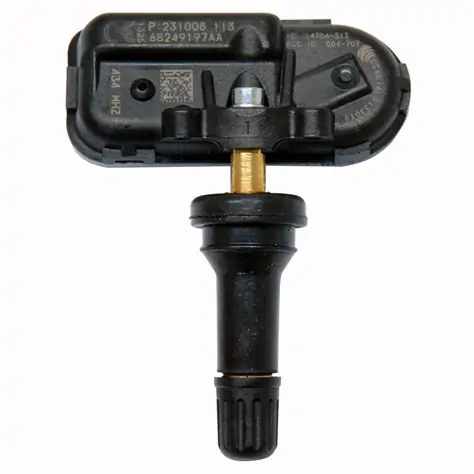
The Tire Pressure Monitoring System (TPMS) sensor is a critical component in modern vehicles, including the 2014 Ram 1500. This sensor is designed to monitor the air pressure within your tires continuously. When the pressure falls below a certain threshold, it alerts the driver to take necessary action, thereby enhancing safety and improving fuel efficiency.
In essence, the TPMS sensor consists of multiple parts, including:
- Sensor Module – Detects and measures tire pressure.
- Battery – Powers the sensor.
- Transmitter – Sends pressure readings to the vehicle’s onboard computer.
TPMS sensors can be categorized into two main types:
| Type | Description |
|---|---|
| Direct TPMS | Uses a sensor mounted inside the tire to measure pressure. |
| Indirect TPMS | Relies on ABS sensors to estimate tire pressure based on wheel speed. |
The 2014 Ram 1500 is equipped with a direct TPMS that provides accurate and real-time data about tire conditions. This feature is essential as it not only prevents potential tire blowouts but also contributes to overall vehicle performance.
By ensuring that your tires are properly inflated, TPMS sensors help in achieving better fuel economy and prolonging tire life, making them an indispensable part of vehicle safety and efficiency.
Importance of TPMS Sensors
The Tire Pressure Monitoring System (TPMS) is an essential safety feature in modern vehicles, including the 2014 Ram 1500. Understanding the importance of TPMS sensors can help you maintain optimal vehicle performance and ensure your safety on the road.
Enhanced Safety
One of the primary reasons why TPMS sensors are crucial is for enhanced safety. These sensors:
- Continuously monitor tire pressure.
- Alert the driver in real-time if any tire is under-inflated or over-inflated.
- Significantly reduce the risk of blowouts or loss of vehicle control.
Improved Fuel Efficiency
Maintaining proper tire pressure not only promotes safety but also contributes to fuel efficiency. Properly inflated tires:
- Provide better traction and handling.
- Reduce rolling resistance, which can lead to lower fuel consumption.
- Help keep your 2014 Ram 1500 operating at its best potential.
Prolongs Tire Life
Having functioning TPMS sensors can lead to:
- Avoiding uneven tire wear.
- Extending the lifespan of your tires.
- Reducing the frequency of tire replacements, saving you money in the long run.
Environmental Impact
Proper tire maintenance aided by TPMS sensors also has an environmental benefit. When tires are properly inflated, the vehicle:
- Consumes less fuel, leading to reduced greenhouse gas emissions.
- Contributes to less tire waste by prolonging tire life.
Legal Compliance
In many regions, having a functional TPMS is not just a recommendation but a legal requirement. Adhering to this regulation not only keeps you compliant but also promotes safe driving standards. Vehicles like the 2014 Ram 1500 equipped with TPMS help ensure you meet these important safety and regulatory standards.
Conclusion
In summary, the importance of TPMS sensors in your 2014 Ram 1500 cannot be overstated. From enhancing safety to improving fuel efficiency and prolonging tire life, these sensors play a vital role in modern automotive technology.
How TPMS Sensors Work
The Tire Pressure Monitoring System (TPMS) sensors are crucial components used in modern vehicles, including the 2014 Ram 1500, to ensure optimal tire pressure. Understanding how these sensors work can help you maintain your vehicle’s performance and safety.
Types of TPMS Sensors
There are two primary types of TPMS sensors:
- Direct TPMS: These sensors are mounted inside the tire and measure the air pressure directly.
- Indirect TPMS: These sensors do not measure tire pressure directly but instead rely on the vehicle’s wheel speed sensors to detect under-inflation based on how the tires rotate.
Functionality of TPMS
Here’s a breakdown of how the direct TPMS sensors operate:
- The sensor continuously measures the air pressure inside each tire.
- If the pressure drops below a predefined threshold, the sensor triggers a warning light on the dashboard.
- The sensor can also communicate with the vehicle’s onboard computer, sending real-time data about tire health.
Components of a TPMS Sensor
Each TPMS sensor consists of several components that enable its functionality:
| Component | Description |
|---|---|
| Pressure Transducer | Measures the air pressure inside the tire and sends this data wirelessly to the vehicle’s computer. |
| Battery | Powers the sensor. Most sensors use a lithium battery that typically lasts 5-10 years. |
| Microchip | Processes the information gathered by the pressure transducer and sends it to the vehicle’s ECU (Electronic Control Unit). |
| Antenna | Facilitates communication between the sensor and the ECU. |
Why Accurate TPMS Functionality is Important
Maintaining accurate tire pressure is vital for several reasons:
- Improved fuel efficiency by ensuring optimal tire performance.
- Enhancing vehicle stability and handling.
- Prolonging the lifespan of tires and preventing premature wear.
- Reducing the risk of blowouts, which can lead to accidents.
Understanding how TPMS sensors work is fundamental for vehicle owners, especially for those driving models like the 2014 Ram 1500. Regular checks and timely maintenance of your TPMS sensors can ensure a safer and more fuel-efficient driving experience.
Signs of TPMS Sensor Failure
The Tire Pressure Monitoring System (TPMS) is a vital component of modern vehicles, including the 2014 Ram 1500. It is designed to monitor the air pressure in your tires and alert you when the levels drop below the recommended threshold. However, like any electronic component, TPMS sensors can fail over time. Here are some common signs that indicate a potential failure of your TPMS sensor:
- Warning Light on Dashboard: The most obvious sign of a TPMS sensor failure is the illumination of the warning light on your dashboard. This light usually looks like a tire with an exclamation mark inside.
- Inconsistent Pressure Readings: If you notice that your tire pressure readings fluctuate wildly or display incorrect information, it may indicate a problem with the TPMS sensor.
- Flat Tire Indications: If you’re experiencing significantly low tire pressure without any noticeable puncture or leak, it could point to a malfunctioning TPMS sensor.
- Delayed Alerts: A TPMS sensor should alert you promptly when tire pressure is low. If you notice that the alerts are delayed or not functioning, this may indicate sensor failure.
- Physical Damage to Sensors: If the TPMS sensor is physically damaged, for instance during a tire change or due to road debris, it can lead to failure. Regular inspections can help identify any visible issues.
If you experience any of these symptoms, it is crucial to have your TPMS sensor checked and, if necessary, replaced. Timely action can ensure your vehicle remains safe and efficient on the road.
Replacing a TPMS Sensor
Replacing a TPMS sensor in your 2014 Ram 1500 is a crucial task that ensures your vehicle monitors tire pressure accurately. A malfunctioning TPMS sensor can lead to improper tire inflation, which may compromise safety and fuel efficiency. Here’s a step-by-step guide on how to replace a TPMS sensor:
- Gather Necessary Tools and Materials: You will need a new TPMS sensor, a torque wrench, a tire valve core tool, and possibly a tire pressure gauge. It’s recommended to review your vehicle’s manual for specific requirements.
- Remove the Tire: Begin by safely lifting your vehicle with a jack, and remove the wheel that has the malfunctioning TPMS sensor. Ensure you follow safety protocols while performing this task.
- Access the TPMS Sensor: Once the tire is removed, locate the valve stem where the TPMS sensor is attached. Use a tire valve core tool to remove the valve core, allowing air to release from the tire.
- Detach the Old TPMS Sensor: Carefully unscrew the old TPMS sensor from the valve stem. Be cautious to avoid damaging the valve stem itself.
- Install the New TPMS Sensor: Take your new TPMS sensor and screw it onto the valve stem. Make sure it’s secured properly, but do not overtighten as this can cause damage.
- Inflate the Tire: Once the new TPMS sensor is in place, inflate the tire to the recommended pressure level using a tire pressure gauge to ensure accuracy.
- Reinstall the Valve Core: After inflating the tire, reinstall the valve core using your tire valve core tool to seal the system.
- Reattach the Tire: Place the tire back onto your Ram 1500 and secure it with lug nuts. Make sure to tighten them in a crisscross pattern to ensure even pressure.
- Reset the TPMS System: After replacing the TPMS sensor, it’s essential to reset the TPMS light on your vehicle’s dashboard. This can typically be done using the vehicle’s onboard computer or by driving for a short period.
By following these steps, you can successfully replace a TPMS sensor in your 2014 Ram 1500. Always refer to your vehicle’s owner manual for specific guidance related to your model. Performing this maintenance not only keeps your vehicle’s tire pressure monitoring system working efficiently but also enhances your safety on the road.
Proper tire maintenance is essential for vehicle safety; TPMS sensors play a critical role in this process. – Automotive Expert
Frequently Asked Questions
What does TPMS stand for in the context of the 2014 Ram 1500?
TPMS stands for Tire Pressure Monitoring System, which is designed to monitor the air pressure in the tires and alert the driver when levels are too low.
How can I tell if the TPMS sensor in my 2014 Ram 1500 is malfunctioning?
A malfunctioning TPMS sensor is typically indicated by a warning light on the dashboard that looks like a flat tire icon. Additionally, if the system fails to alert you when tire pressure is low, it may indicate a problem.
Where can I find the TPMS reset button in a 2014 Ram 1500?
In the 2014 Ram 1500, the TPMS reset button is usually located beneath the steering wheel or in the glove compartment. Refer to your owner’s manual for the exact location.
What should I do if the TPMS light stays on after checking tire pressures?
If the TPMS light remains on after you’ve ensured that all tire pressures are correct, it could signify a malfunctioning sensor or the need for a system reset. Consider consulting a mechanic or the dealership for further diagnosis.
Can changing a tire affect the TPMS in my 2014 Ram 1500?
Yes, changing a tire can affect the TPMS, especially if the new tire does not have a functioning TPMS sensor or if the sensor is not properly reinstalled. Ensure that the new tire comes with a compatible sensor or have the existing one transferred.
How often should I have my TPMS checked in my 2014 Ram 1500?
It’s advisable to have your TPMS checked during regular vehicle maintenance or at least once a year to ensure all sensors are functioning properly and to prevent issues with tire pressure monitoring.
What are the benefits of having a working TPMS in my 2014 Ram 1500?
Having a working TPMS enhances safety by alerting you to low tire pressure, which can improve fuel efficiency, prolong tire life, and reduce the risk of tire blowouts, leading to a safer driving experience.