
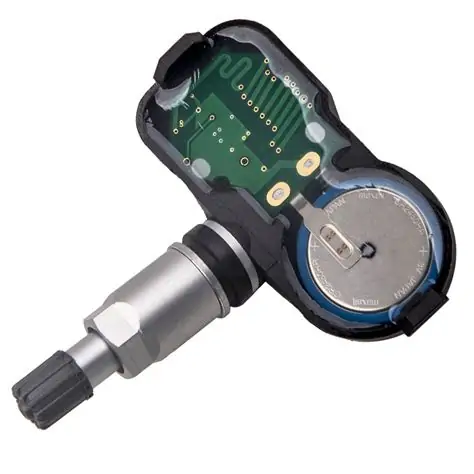
Learn about TPMS in Prius, signs of sensor malfunction, importance, replacement, and maintenance tips for optimal vehicle performance.In today’s world of automotive technology, understanding your vehicle’s tire pressure monitoring system (TPMS) is essential, especially for Prius owners. The TPMS plays a crucial role in ensuring your vehicle operates safely and efficiently by alerting you to any tire pressure irregularities. Unfortunately, like any electronic component, TPMS sensors can malfunction, potentially leading to unnecessary risks on the road. In this blog post, we will delve into the intricacies of the TPMS in Prius vehicles, from recognizing the signs of sensor failure to the importance it holds for overall vehicle performance. We’ll also provide guidance on replacing faulty sensors and valuable tips for maintaining them. Stay tuned as we help you keep your Prius performing at its best!
Understanding TPMS in Prius
The Tire Pressure Monitoring System (TPMS) in your Toyota Prius is a crucial component of your vehicle’s safety and efficiency. This system continuously monitors the air pressure in all four tires and alerts the driver when a tire’s pressure falls below the recommended level. Let’s explore how the TPMS works, its benefits, and why it’s essential for your Prius.
How Does TPMS Work?
The TPMS consists of sensors located in each tire and a central module that collects data. There are two types of TPMS:
- Direct TPMS: This type uses pressure sensors mounted inside the tire to directly measure air pressure and send real-time data to the vehicle’s computer.
- Indirect TPMS: This system relies on the vehicle’s ABS (anti-lock braking system) to detect changes in wheel speed, which can indicate a drop in tire pressure.
Benefits of TPMS in Prius
| Benefit | Description |
|---|---|
| Safety | Helps prevent tire blowouts and accidents due to under-inflated tires. |
| Fuel Efficiency | Properly inflated tires improve gas mileage, saving you money. |
| Environmental Impact | Maintaining optimal tire pressure reduces carbon emissions by improving fuel efficiency. |
Why TPMS is Essential for Your Prius
Having a functioning TPMS is vital for the overall performance of your Prius. Here are a few reasons why:
- Enhanced vehicle performance: Proper tire pressure contributes to balanced handling and even tire wear.
- Early detection: The system alerts you before small issues escalate into major problems.
- Compliance: Many regions have laws requiring functional TPMS systems in vehicles.
In conclusion, understanding your Prius TPMS is essential for ensuring your safety on the road and maximizing fuel efficiency. Stay informed about the health of your tire pressure monitoring system, and you will keep your Prius running smoothly.
Signs of TPMS Sensor Malfunction
The Tire Pressure Monitoring System (TPMS) in a Prius is an essential safety feature designed to alert you when tire pressure is either too high or too low. However, like any technology, TPMS sensors may experience malfunctions. Recognizing the signs of a TPMS sensor malfunction can prevent unsafe driving conditions and potential damage to your vehicle. Here are some common indicators:
- Warning Light Illuminated: If the TPMS warning light appears on your dashboard, it is often the first sign of a problem. This light can indicate that at least one tire is significantly under-inflated or that there is an issue with one of your TPMS sensors.
- Inaccurate Tire Pressure Readings: If you’re noticing that your tire pressure doesn’t seem right, or if you’re unable to get consistent readings from the system, it could mean your TPMS sensor is malfunctioning.
- Frequent False Alarms: If your TPMS repeatedly indicates low tire pressure when your tires are adequately inflated, this could be a clear sign of a faulty sensor.
- Slow Blinking Warning Light: A slow or intermittent blinking of the TPMS light may indicate that there is a specific problem with the TPMS sensor itself, rather than just low tire pressure.
- Lack of Response to Tire Pressure Changes: If the TPMS does not respond to a change in tire pressure (like when you inflate a tire), it suggests that the sensor may not be functioning correctly.
Understanding these indicators can help you address TPMS issues promptly, ensuring not only your safety but also the longevity of your Prius. If you notice any of these signs, it’s advisable to have your TPMS sensors inspected and serviced by a professional technician.
Importance of TPMS Sensor in Prius
The Tire Pressure Monitoring System (TPMS) is a crucial component in ensuring the safety and efficiency of your Prius. This system continually monitors the air pressure within your tires and alerts you if any of the tires are significantly under-inflated. Here are several key reasons why the TPMS sensor is particularly important for your Prius:
- Enhanced Safety: Proper tire pressure is critical for safe handling and braking. The TPMS helps prevent tire blowouts and accidents that can occur from under-inflated tires.
- Improved Fuel Efficiency: Maintaining the correct tire pressure can lead to better fuel economy. Under-inflated tires create more rolling resistance, which can result in increased fuel consumption. The TPMS sensor alerts the driver to low tire pressure, helping to maintain optimal efficiency.
- Extended Tire Life: Correct tire pressure reduces uneven tire wear. By using the TPMS, you can ensure that your tires last longer, saving you money in the long run.
- Environmental Benefits: By improving fuel efficiency and extending tire life, a functioning TPMS sensor contributes to lower carbon emissions, making your Prius a more environmentally friendly vehicle.
- Regulatory Compliance: Many regions have laws requiring vehicles to have a functioning TPMS. Keeping your sensors operational ensures compliance with these regulations.
In summary, the TPMS sensor in your Prius plays an essential role in promoting safety, enhancing fuel efficiency, prolonging tire life, and supporting environmental responsibility. Regular maintenance and prompt attention to TPMS alerts can keep your vehicle running smoothly and safely.
Replacing TPMS Sensors in Prius
The Tire Pressure Monitoring System (TPMS) is a vital component in ensuring the safety and efficiency of your Toyota Prius. Over time, these sensors may need to be replaced due to wear or malfunction. This guide will help you understand the process of replacing TPMS sensors in your Prius.
When to Replace TPMS Sensors
It’s essential to replace your TPMS sensors under the following circumstances:
- Malfunctioning Sensors: If your dashboard warning light indicates a problem.
- Battery Life: Most TPMS sensors have a battery life of 5-10 years.
- Damage: If the sensors have been damaged due to harsh driving conditions.
Steps to Replace TPMS Sensors
Here’s a step-by-step guide to replacing the TPMS sensors in your Prius:
- Gather the Necessary Tools: You will need a jack, jack stands, a tire iron, and a TPMS tool.
- Lift the Vehicle: Use the jack to lift your Prius and secure it with jack stands.
- Remove the Tires: Loosen the lug nuts with the tire iron and remove the tires.
- Access the TPMS Sensors: Each tire will have a TPMS sensor mounted inside. Carefully remove the sensor by following the specific instructions for your Prius model.
- Install New TPMS Sensors: Insert the new sensors into the valve stems of the tires. Ensure they are positioned correctly.
- Reinstall Tires: Place the tires back onto the vehicle and tighten the lug nuts securely.
- Reset the TPMS: Finally, use the TPMS tool to reset the system, allowing the vehicle to recognize the new sensors.
Tips for Successful Replacement
To ensure a smooth TPMS sensor replacement experience, keep these tips in mind:
- Always check the manufacturer specifications for your specific Prius model.
- Consider having your sensors replaced by a professional if you are unsure about the procedure.
- Regularly check your TPMS system to avoid issues from arising.
Replacing the TPMS sensors in your Prius may seem daunting, but with the right tools and knowledge, it can be accomplished with ease. Remember to monitor your tire pressure regularly and maintain your TPMS system to ensure optimal performance.
Tips for Maintaining TPMS Sensors in Prius
The Tire Pressure Monitoring System (TPMS) is an essential component of your Toyota Prius that ensures your tires are properly inflated, contributing to safety, fuel efficiency, and tire longevity. Maintaining your TPMS sensors is crucial for their optimal performance. Here are some tips to help you keep your TPMS sensors in top shape:
1. Regularly Check Tire Pressure
Make it a habit to check your tire pressure at least once a month. Use a reliable tire pressure gauge and compare it with the manufacturer’s recommended tire pressure, which can usually be found in the owner’s manual or on the driver’s side door jamb.
2. Monitor Warning Lights
If the TPMS warning light on your dashboard illuminates, do not ignore it. This warning indicates that at least one tire is significantly under-inflated or that there might be a malfunction within the TPMS. Address any warning signs promptly to avoid further issues.
3. Inspect Sensors During Tire Changes
Every time you change your tires, have the TPMS sensors inspected. This can help catch any damage or wear and tear early on, ensuring that your sensors are functioning correctly.
4. Keep Tires in Good Condition
Maintain proper tire alignment and rotation within the recommended intervals. Uneven tire wear can affect the performance of your TPMS, leading to inaccurate readings and unnecessary warning signals.
5. Check Battery Life of TPMS Sensors
Most TPMS sensors have a battery life of 5 to 10 years. If your Prius is older than this, consider having the sensor batteries checked to ensure they are still operational.
6. Avoid Rapid Temperature Changes
Extreme temperature changes can affect tire pressure and the accuracy of TPMS sensors. Whenever possible, try to park your Prius in a garage or shade to prevent rapid temperature fluctuations.
7. Use Factory Approved Sensors
If you need to replace any sensors, ensure you use factory-approved TPMS sensors. Aftermarket sensors may not communicate effectively with your vehicle, leading to malfunction and inaccurate tire pressure readings.
8. Regular Professional Check-ups
Schedule regular check-ups with a certified technician who understands the TPMS system. This ensures the overall health of your Prius’s tire monitoring system is maintained.
By following these tips, you can help keep your TPMS sensors functioning properly, ensuring your safety on the road and maintaining the fuel efficiency of your Toyota Prius.
Frequently Asked Questions
What is a TPMS sensor in the Prius?
The TPMS (Tire Pressure Monitoring System) sensor in a Prius is designed to monitor the air pressure in the tires and alert the driver if the pressure falls below a safe level.
How do I know if my Prius TPMS sensor is malfunctioning?
Signs of a malfunctioning TPMS sensor include the warning light illuminating on the dashboard, irregular tire pressure readings, or failure to turn off the warning light even after correcting tire pressures.
Can I reset the TPMS sensor on my Prius?
Yes, you can reset the TPMS sensor on your Prius by following the specific procedure outlined in the owner’s manual, which generally involves turning on the ignition and pressing the reset button.
What should I do if my TPMS warning light stays on?
If your TPMS warning light stays on even after checking and adjusting tire pressures, you should have the system inspected by a professional, as it may indicate a faulty sensor or system failure.
How often should I check my Prius tire pressure?
It is recommended to check your Prius tire pressure at least once a month and before long trips to ensure optimal driving performance and safety.
Are there different types of TPMS sensors for the Prius?
Yes, there are two types of TPMS sensors: direct and indirect. Most newer Prius models use direct TPMS, which measures the actual tire pressure using sensors mounted on the wheels.
How much does it cost to replace a Prius TPMS sensor?
The cost to replace a Prius TPMS sensor can vary but typically ranges between $50 and $150 per sensor, including parts and labor, depending on the service provider.