
Discover the essential role of Schrader TPMS sensors in vehicle safety, their working mechanism, benefits, and tips for choosing the right one.In today’s automotive landscape, safety and efficiency are paramount, making tire pressure monitoring systems (TPMS) an essential component of modern vehicles. Among the leading names in this technology is Schrader, a brand synonymous with innovation and reliability. This blog post delves into the world of Schrader TPMS sensors, exploring what they are, their critical importance in maintaining tire health, and how they function to keep drivers informed. We will also highlight the numerous benefits these sensors offer and provide guidance on selecting the right Schrader TPMS sensor for your vehicle. Whether you’re a car enthusiast, a casual driver, or someone looking to enhance vehicle safety, understanding Schrader TPMS sensors is crucial for optimal driving performance. Let’s dive into the details!
What are Schrader TPMS Sensors
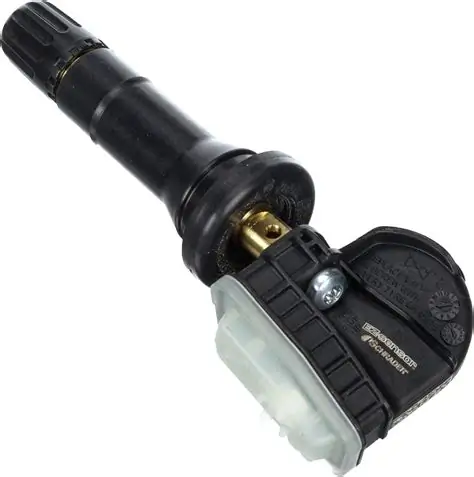
Schrader TPMS Sensors are vital components of the Tire Pressure Monitoring System (TPMS), a safety feature in modern vehicles designed to alert drivers about changes in tire pressure. These sensors play an essential role in ensuring optimal vehicle performance and safety by continuously monitoring tire pressure levels.
The Schrader brand is well-known in the automotive industry for its innovative products related to tire inflation and monitoring systems. In the context of TPMS, Schrader TPMS Sensors are engineered to provide accurate and reliable data regarding tire pressure, which in turn helps maintain the vehicle’s efficiency and safety standards.
Typically, Schrader TPMS Sensors are mounted inside the tire on the valve stem. They actively measure the air pressure in the tire and relay this information to the vehicle’s onboard computer system. If the pressure drops below a certain threshold, the system triggers a warning light on the dashboard, alerting the driver to check the tire.
Key Features of Schrader TPMS Sensors
- Real-time Monitoring: Provides continuous updates on tire pressure.
- Durable Design: Withstands harsh environmental conditions, ensuring longevity.
- Easy Integration: Compatible with various vehicle models, making installation straightforward.
In summary, Schrader TPMS Sensors are indispensable for maintaining tire health and enhancing driving safety. Their reliable performance and advanced technology make them a preferred choice among automotive manufacturers and consumers alike.
The Importance of TPMS Sensors
Tire Pressure Monitoring Systems (TPMS) are an essential component of modern vehicles, playing a crucial role in ensuring safety and efficiency on the road. Here, we explore several reasons why TPMS sensors, specifically Schrader TPMS sensors, are so important.
- Safety Enhancement: Proper tire pressure is vital for vehicle handling and braking. A correctly functioning TPMS alerts drivers when tire pressure is too low, reducing the risk of blowouts and accidents.
- Fuel Efficiency: Tires that are inflated to the correct pressure reduce rolling resistance, which can lead to improved fuel economy. A well-maintained TPMS can help drivers save on fuel costs.
- Tire Longevity: Maintaining the right tire pressure prolongs tire life. The Schrader TPMS sensors provide real-time data that helps in avoiding uneven tire wear, enhancing the lifespan of your tires.
- Environmental Impact: By ensuring tires are properly inflated, TPMS sensors contribute to decreased greenhouse gas emissions as vehicles operate more efficiently.
- Legal Compliance: Many regions have regulations that mandate the presence of tire pressure monitoring systems in vehicles. Using reliable Schrader TPMS sensors helps ensure compliance with these laws.
A well-functioning TPMS is not just a convenience; it is a necessity for every driver looking to maintain safety and efficiency on the road. – Tire Safety Advocate
Overall, the importance of Schrader TPMS sensors cannot be overstated. They serve as an integral part of vehicle safety, performance, and even environmental responsibility.
How Schrader TPMS Sensors Work
Schrader TPMS sensors are an essential component of the Tire Pressure Monitoring System (TPMS), designed to enhance vehicle safety and performance. Understanding how these sensors operate can help car owners appreciate their significance in everyday driving.
At a basic level, Schrader TPMS sensors help monitor tire pressure by detecting tire inflation levels. Here’s a breakdown of how they work:
| Process | Description |
|---|---|
| Pressure Measurement | The sensor continuously measures the pressure inside each tire using a diaphragm that responds to changes in pressure. |
| Data Transmission | Once a pressure measurement is taken, the sensor transmits this data wirelessly to the vehicle’s onboard computer using a radio frequency. |
| System Alert | If the tire pressure drops below a certain threshold, the system triggers a warning light on the dashboard to alert the driver. |
Furthermore, it’s important to note that Schrader TPMS sensors can be of two types: direct and indirect. The direct sensors measure the actual tire pressure, while the indirect sensors estimate pressure based on wheel speed and other parameters. Here’s how they differ:
- Direct TPMS Sensors: Installed inside the tire close to the valve stem, these sensors provide real-time readings of tire pressure and temperature.
- Indirect TPMS Sensors: These sensors don’t measure tire pressure directly. Instead, they rely on the Antilock Braking System (ABS) to calculate changes in tire circumference as pressure drops, triggering alerts based on the differences.
In summary, Schrader TPMS sensors play a critical role in ensuring that tires are properly inflated, which contributes to better fuel efficiency, improved vehicle handling, and enhanced safety on the road. Knowing how these sensors work can help vehicle owners maintain their TPMS, ensuring they reap the full benefits of this advanced technology.
Benefits of Schrader TPMS Sensors
When it comes to tire maintenance and safety, Schrader TPMS sensors (Tire Pressure Monitoring System sensors) play a crucial role. Here are some of the key benefits of using Schrader TPMS sensors:
- Enhanced Safety: Maintaining proper tire pressure is vital for safe driving. Schrader TPMS sensors monitor tire pressure in real-time, alerting drivers to under-inflated or over-inflated tires.
- Increased Fuel Efficiency: Properly inflated tires improve fuel efficiency. By using Schrader TPMS sensors, you can ensure your tires are at optimal pressure, potentially saving you money on fuel costs.
- Extended Tire Life: Consistent monitoring helps to prevent tire wear and prolong the life of your tires. Schrader TPMS sensors enable you to address issues before they lead to serious tire damage.
- Convenience: With Schrader TPMS sensors, you receive alerts directly on your dashboard, removing the need for manual checks and optimizing your driving experience.
- Compliance with Regulations: Many regions have regulations regarding tire pressure monitoring systems in vehicles. Using Schrader TPMS sensors ensures compliance, which can be particularly beneficial for fleet management.
- Improved Handling and Performance: Proper tire pressure directly affects vehicle handling. Schrader TPMS sensors help maintain the right pressure, enhancing overall vehicle performance.
- Reduced Risk of Blowouts: Under-inflated tires are more likely to experience blowouts. Schrader TPMS sensors continuously monitor tire pressure, providing early warnings to prevent such dangerous incidents.
In summary, incorporating Schrader TPMS sensors into your vehicle not only enhances safety but also improves efficiency and performance. Investing in these sensors can lead to a better driving experience and substantial long-term savings.
Choosing the Right Schrader TPMS Sensor
When it comes to maintaining the safety and performance of your vehicle, choosing the right Schrader TPMS sensor is crucial. With a plethora of options available in the market, it’s essential to consider several factors before making your selection. Below are some key aspects to help guide your decision:
1. Vehicle Compatibility
The first step is to ensure that the TPMS sensor you choose is compatible with your vehicle’s make and model. Each sensor is designed for specific vehicles, so always check the manufacturer’s specifications.
2. Sensor Type
Schrader provides two main types of TPMS sensors: direct and indirect.
- Direct TPMS Sensors: These sensors measure the tire pressure directly using pressure sensors placed within the tire.
- Indirect TPMS Sensors: These rely on the vehicle’s ABS system to monitor tire pressure based on wheel speed.
Choosing between these types largely depends on your vehicle and your personal preference.
3. Frequency & Programming
Each Schrader TPMS sensor operates at a specific frequency (commonly 315 MHz or 433 MHz). Additionally, some sensors require programming upon installation. Ensure you have the necessary tools or a professional who can reprogram the sensors to fit your vehicle.
4. Brand Reputation
Opting for a brand with a solid reputation, like Schrader, ensures that you are selecting a quality product. Research user reviews and industry ratings to ascertain the reliability and performance of the sensors.
5. Price vs. Quality
While it’s tempting to go for the cheapest option, remember that quality should never be compromised. Investing in a higher-priced Schrader TPMS sensor could save you from additional costs associated with frequent replacements or tire damage.
6. Warranty & Support
Look for a product that comes with a warranty. A solid warranty can provide peace of mind, indicating that the manufacturer stands behind their product. Additionally, good customer support is a vital factor to consider in case you encounter any issues.
By taking these factors into account, you can confidently choose the right Schrader TPMS sensor that not only meets your vehicle’s needs but also enhances your safety on the road.
Frequently Asked Questions
What is a Schrader TPMS sensor?
A Schrader TPMS sensor is a tire pressure monitoring system device designed to monitor the air pressure inside a vehicle’s tires and alert the driver if the pressure falls below the recommended level.
How does a Schrader TPMS sensor work?
The Schrader TPMS sensor uses pressure and temperature sensors to detect changes in tire pressure. If the pressure is too low, the system sends a signal to the vehicle’s dashboard display, alerting the driver to check the tire.
What are the benefits of using Schrader TPMS sensors?
Schrader TPMS sensors help improve vehicle safety by ensuring proper tire pressure, enhance fuel efficiency by reducing rolling resistance, and prolong tire life by preventing premature wear.
How can I tell if my Schrader TPMS sensor is malfunctioning?
Common signs of a malfunctioning Schrader TPMS sensor include a warning light on the dashboard, inaccurate pressure readings, or a complete failure to detect tire pressure changes.
Can I replace my Schrader TPMS sensors myself?
Yes, if you have the right tools and knowledge, you can replace Schrader TPMS sensors yourself. However, it might be advisable to get assistance from a professional to ensure proper installation and configuration.
What should I do if my TPMS warning light remains on after checking tire pressure?
If the TPMS warning light stays on after checking and correcting tire pressure, it may indicate a faulty sensor or other issues within the TPMS system. It’s best to consult a professional mechanic for further diagnosis.
Are Schrader TPMS sensors compatible with all vehicle models?
While many vehicles are compatible with Schrader TPMS sensors, it’s essential to check the vehicle specifications to ensure compatibility, as some models may require specific types of sensors.