
Discover the significance, functions, and maintenance tips for TPMS sensors in Honda Accord, along with common issues to enhance vehicle safety and performance.The Honda Accord has long been celebrated for its reliability and performance, but did you know that its safety features are just as vital? One key component in ensuring your driving experience remains smooth and secure is the Tire Pressure Monitoring System (TPMS) sensor. This small yet powerful device plays a crucial role in monitoring the pressure of your tires, allowing you to maintain optimal performance and fuel efficiency. In this blog post, we will delve into the world of TPMS sensors, exploring their significance in the Honda Accord, how they function, common issues you might encounter, and essential tips for keeping your TPMS sensor in top condition. Whether you’re a Honda enthusiast or a first-time owner, understanding the importance of TPMS can enhance your vehicle’s safety and longevity.
What is a TPMS sensor?
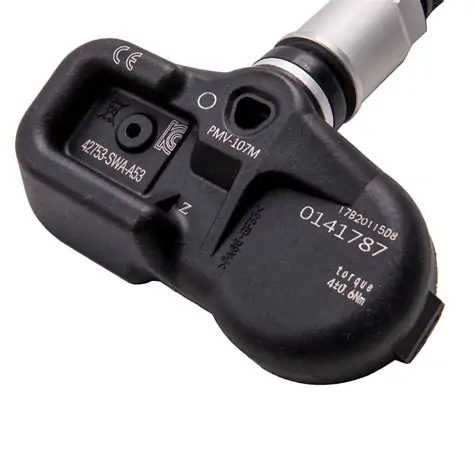
A TPMS sensor (Tire Pressure Monitoring System) is a crucial component in modern vehicles, including the Honda Accord. It is designed to monitor the air pressure in the tires and alert the driver when the pressure falls below the recommended level.
These sensors are typically located inside the tire, either mounted on the valve stem or integrated into the tire itself. There are two main types of TPMS sensors:
- Direct TPMS: This type uses pressure sensors inside each tire to measure the air pressure directly. If the pressure drops significantly, it sends a signal to the vehicle’s onboard computer, illuminating the warning light on the dashboard.
- Indirect TPMS: Instead of measuring tire pressure directly, this system uses the vehicle’s ABS (Anti-lock Brake System) to estimate tire pressure based on wheel speed. If a tire is under-inflated, it rotates at a different speed than the others, triggering a warning.
The TPMS sensor plays a vital role in ensuring safety on the road. Maintaining the correct tire pressure not only improves fuel efficiency but also enhances handling and braking performance. Therefore, having a functioning TPMS sensor is essential for any Honda Accord owner who values performance and safety.
“Proper tire pressure is crucial. A TPMS sensor helps ensure your tires are always at their best, which is not only good for your vehicle but for your safety.”
Importance of TPMS in Honda Accord
The Tire Pressure Monitoring System (TPMS) is an essential safety feature in modern vehicles, particularly in the Honda Accord. Understanding the importance of TPMS can significantly enhance your driving experience and ensure your vehicle’s performance.
Here are a few key reasons why TPMS is vital for your Honda Accord:
- Safety: Proper tire pressure is crucial for maintaining vehicle stability and handling. A malfunctioning tire can lead to hazardous situations, resulting in accidents. The TPMS alerts drivers when tire pressure falls below or exceeds optimal levels, ensuring safer commutes.
- Fuel Efficiency: Under-inflated tires can lower your vehicle’s fuel efficiency. By maintaining the recommended tire pressure, the Honda Accord operates more efficiently, ultimately saving you money on fuel.
- Tire Longevity: Correct tire pressure helps in even tire wear, prolonging the life of your tires. TPMS alerts allow drivers to take corrective action before excessive wear and tear occurs.
- Enhanced Performance: Maintaining accurate tire pressure ensures optimal handling and braking performance. This is particularly significant for a vehicle like the Honda Accord, which is known for its driving dynamics.
- Environmental Impact: By ensuring your tires are properly inflated, you contribute to lower emissions and reduced environmental impact, aligning with Honda’s commitment to sustainability.
In summary, the TPMS in your Honda Accord is not just a warning system; it’s a crucial component that enhances safety, efficiency, and performance. Regular checks and maintenance of your TPMS can lead to a more enjoyable and secure driving experience.
Functions of TPMS sensor in Honda Accord
The Tire Pressure Monitoring System (TPMS) is an essential component of the safety features in a Honda Accord. This system plays a crucial role in ensuring optimal performance and safety of the vehicle. Here are the key functions of the TPMS sensor in a Honda Accord:
- Monitoring Tire Pressure: The primary function of the TPMS sensor is to continuously monitor the air pressure in each tire. This helps to ensure that the tires are inflated to the manufacturer’s recommended levels, providing better fuel efficiency and reducing tire wear.
- Alerting Drivers: If any tire pressure drops below the optimal level, the TPMS sensor activates a warning light on the dashboard. This immediate alert allows the driver to take action before any potential tire failure occurs.
- Enhancing Safety: Proper tire pressure is critical for vehicle safety. The TPMS sensor helps maintain proper pressure, which in turn improves traction, handling, and braking. This significantly reduces the likelihood of accidents caused by tire blowouts or loss of control.
- Improving Fuel Efficiency: Under-inflated tires can lead to increased rolling resistance, causing the engine to work harder and consume more fuel. The TPMS helps ensure that tires are properly inflated, thus contributing to better fuel efficiency and savings at the pump.
- Reducing Environmental Impact: Keeping tires properly inflated not only benefits the vehicle but also the environment. A well-maintained tire contributes to lower emissions due to improved fuel efficiency.
- Informing on Seasonal Changes: The TPMS sensor can help drivers be aware of tire pressure changes that occur with seasonal temperature fluctuations. Cold weather can lead to a drop in tire pressure, and the TPMS can warn drivers to check their tires accordingly.
In summary, the TPMS sensor in a Honda Accord serves multiple vital functions that enhance safety, improve efficiency, and ultimately lead to a more enjoyable driving experience. Regular monitoring and attention to this system are essential for maintaining optimal vehicle performance.
Common TPMS sensor issues
The TPMS (Tire Pressure Monitoring System) sensor is an essential component of your Honda Accord, ensuring that your tire pressures are within the safe operating range. However, like any electronic component, it can experience problems over time. Below are some of the most common TPMS sensor issues you might encounter:
- Faulty Sensor: Sometimes, the TPMS sensor can become faulty due to wear and tear or exposure to extreme temperatures. A malfunctioning sensor will not transmit accurate tire pressure data.
- Battery Drain: Each TPMS sensor is equipped with a small battery that can eventually run out. If the battery dies, the sensor will become inactive, leading to warning lights on your dashboard.
- Faulty Valve Stems: The valve stems that hold the TPMS sensors in place can corrode or become damaged. This can cause air leaks, leading to inaccurate readings and potentially dangerous driving conditions.
- Temperature Fluctuations: Extreme temperature changes can affect tire pressure, but can also cause the TPMS system to trigger false warnings, confusing the driver.
- Software Issues: Occasionally, the onboard computer system can have glitches that prevent the TPMS from functioning correctly. A software update or reset may be necessary to address this issue.
- Wheel Replacement: If you change your wheels or tires, it’s crucial to ensure that the TPMS sensors are reprogrammed to the new setup. Failure to do so can lead to warning indicators being triggered.
- Interference: Certain electronic devices and signals can interfere with the TPMS, causing it to malfunction or display incorrect readings.
If you experience any of these issues, it’s advisable to consult with a professional mechanic or your Honda dealer. Addressing TPMS sensor issues promptly can help maintain the safety and efficiency of your Honda Accord.
Tips for maintaining TPMS sensor
The Tire Pressure Monitoring System (TPMS) sensor plays a crucial role in ensuring the safety and efficiency of your Honda Accord. Regular maintenance of these sensors is essential to ensure they function correctly. Here are some important tips for maintaining your TPMS sensor:
- Regular Tire Pressure Checks: Make it a habit to check your tire pressure regularly, ideally once a month and before long trips. Keeping your tires inflated to the recommended pressure level can help prevent unnecessary strain on the TPMS sensor.
- Be Cautious During Tire Changes: When changing your tires, ensure that the TPMS sensor is not damaged. It’s advisable to have a professional handle tire changes to avoid mishandling the sensors.
- Monitor Warning Lights: Keep an eye on your dashboard warning lights. If the TPMS light illuminates, it may indicate a malfunction or that your tires are under-inflated.
- Use Quality Tires: Always opt for high-quality tires that are compatible with TPMS. Poor-quality tires may not only affect the overall performance but can also damage the sensors.
- Check Sensor Batteries: TPMS sensors typically have a battery life of 5-10 years. Regularly check their performance and replace the sensors if the battery is depleted or if you experience frequent warning lights.
- Keep Rim Clean: Maintain cleanliness around the rims where the TPMS sensors are mounted. Dirt and grime can interfere with their functionality, leading to false readings.
- Calibration After Rotation: After rotating your tires, always recalibrate the TPMS. This ensures that the sensors correctly reflect the tire positions and maintain accurate pressure readings.
By following these tips, you can prolong the life of your Honda Accord’s TPMS sensor and enhance your vehicle’s safety. Regular care and attention to the TPMS will help you maintain optimal tire performance and fuel efficiency.
Frequently Asked Questions
What is a TPMS sensor in a Honda Accord?
A TPMS (Tire Pressure Monitoring System) sensor in a Honda Accord is a safety feature that monitors the air pressure in the tires and alerts the driver if any tire is significantly under-inflated.
How do I know if the TPMS sensor is malfunctioning in my Honda Accord?
Common signs of a malfunctioning TPMS sensor include the TPMS warning light illuminated on the dashboard, inaccurate pressure readings, or the light flickering intermittently.
What causes TPMS sensor issues in a Honda Accord?
TPMS sensor issues can be caused by a dead battery in the sensor, tire changes or rotations that are not reset correctly, or damage to the sensor itself due to road conditions.
Can I reset the TPMS sensor in my Honda Accord on my own?
Yes, you can often reset the TPMS sensor on your own by following specific steps in the owner’s manual, which typically involves turning the ignition on and pressing the TPMS reset button.
How often should I replace the TPMS sensor in my Honda Accord?
Generally, TPMS sensors should be replaced every 5 to 7 years or when the battery in the sensor fails, but it’s a good idea to check them during routine tire maintenance.
Are there any specific Honda Accord models known for TPMS issues?
While TPMS issues can occur in all Honda Accord models, older models from the early 2000s to mid-2010s may experience more frequent sensor failures due to aging technology.
What should I do if the TPMS light remains on after checking the tire pressures?
If the TPMS light remains on after verifying that all tire pressures are correct, you should consult your vehicle’s manual for troubleshooting steps or seek help from a professional mechanic.