
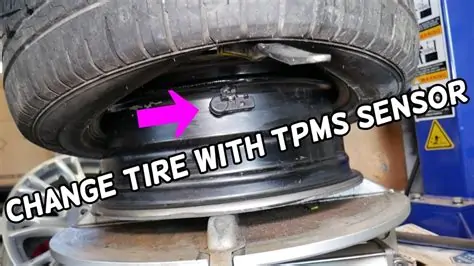
Explore the importance of TPMS sensors for spare tires, their benefits, and regulations to ensure safe driving and effective tire monitoring.When it comes to road safety, every driver knows that maintaining proper tire pressure is crucial. However, many may overlook the question: Does a spare tire have a TPMS (Tire Pressure Monitoring System) sensor? In this blog post, we’ll delve into the intricacies of TPMS sensors, exploring their vital role in vehicle safety and why monitoring your spare tire is just as important as the tires in regular use. We’ll discuss how incorporating TPMS in spare tires can enhance safety and performance, the benefits of having these sensors, and the regulations governing their use. Whether you’re an avid road-tripper or just someone who wants peace of mind while driving, understanding the role of TPMS in spare tires could be the key to a safer journey. Let’s embark on this informative journey together!
Understanding TPMS Sensor
The Tire Pressure Monitoring System (TPMS) is a crucial component in modern vehicles, designed to ensure safety and enhance performance by monitoring tire pressure in real-time. The TPMS uses sensors to alert drivers when tire pressure falls below a predefined threshold, which can help prevent tire blowouts and enhance fuel efficiency.
Understanding how TPMS works involves knowing the two main types of sensors:
- Direct TPMS: These sensors are installed within the tire itself and measure the tire’s pressure directly. The data is then transmitted to the vehicle’s onboard computer.
- Indirect TPMS: Instead of measuring tire pressure directly, this system uses the anti-lock brake system (ABS) to measure the rotational speed of the tires. When one tire is under-inflated, it will rotate at a different speed than the properly inflated ones, prompting a warning.
Each sensor is equipped with a battery and typically has a lifespan of 5 to 10 years, depending on use and environmental conditions. Regular maintenance and monitoring of these sensors are essential, as a malfunctioning TPMS can lead to unsafe driving conditions.
In addition to ensuring that tires are inflated to the correct pressure, TPMS plays a significant role in the following aspects:
- Safety: By alerting drivers about low tire pressure, TPMS helps to prevent accidents caused by tire blowouts.
- Fuel Efficiency: Proper tire inflation can improve fuel efficiency and reduce greenhouse gas emissions.
- Tire Longevity: Maintaining correct tire pressure extends the life of tires, saving costs on replacements.
Understanding the functionality and importance of the TPMS is crucial for vehicle owners who want to maintain optimal safety and performance while on the road.
Importance of Spare Tire Monitoring
When it comes to vehicle safety, monitoring your spare tire is often overlooked. However, having a reliable spare tire can be as crucial as the tires currently in use on your vehicle. Here are several reasons why monitoring your spare tire is important:
- Emergency Preparedness: A spare tire that is not properly monitored for pressure can lead to failure at critical moments. Ensuring it is inflated and in good condition helps you be prepared in case of a flat tire.
- Prevention of Damage: A flat or underinflated spare can cause damage to your vehicle and might also affect your ability to drive safely. Regular checks can prevent unnecessary wear and tear.
- Safety First: Driving on a spare tire without proper monitoring can pose safety risks, especially if you need to use it at high speeds or on highways. A system that continually checks tire pressure helps mitigate this risk.
- Cost Savings: Maintaining your spare tire properly can prevent you from facing costly repairs in the future. By incorporating regular tire checks, you’re not only ensuring safety but also saving money.
To help illustrate the significance of monitoring your spare tire, consider the following table:
| Aspect | Importance of Monitoring |
|---|---|
| Pressure Check | Ensures optimal pressure for use when needed. |
| Condition Check | Identifies any damage or wear that could impair functionality. |
| Regulatory Compliance | Meeting safety standards and regulations for road usage. |
| Readiness | Ready to be used immediately in case of an emergency situation. |
In conclusion, the importance of proper spare tire monitoring cannot be understated. Incorporating practices that regularly check the tire’s condition and pressure guarantees that, in the event of an emergency, your spare tire will be ready to perform its crucial role in your vehicle’s safety.
Incorporating TPMS in Spare Tires
The Tire Pressure Monitoring System (TPMS) is a crucial safety feature in modern vehicles, designed to alert drivers when tire pressure is too low. However, many vehicle owners overlook the importance of incorporating TPMS in spare tires. This blog post delves into why and how TPMS can be integrated into spare tires.
Why Incorporate TPMS in Spare Tires?
- Safety Assurance: A spare tire with a TPMS ensures that it is properly inflated before you need to use it, maximizing safety in emergency situations.
- Preventive Maintenance: Regular monitoring of your spare tire’s pressure can prevent issues that might arise from a flat or under-inflated tire when you need it most.
- Reduced Risk of Damage: A properly inflated spare tire reduces the risk of tire damage and improves the lifespan of the tire.
How to Incorporate TPMS in Spare Tires
Integrating a TPMS sensor into your spare tire can be a straightforward process. Here are a few steps to follow:
- Choose the Right Sensor: Select a TPMS sensor that is compatible with your vehicle and spare tire. Many aftermarket options are available.
- Install the Sensor: Follow the instructions provided with the sensor for proper installation. This may involve mounting the sensor on the valve stem of the spare tire.
- Calibration: After installation, calibrate the sensor to ensure it communicates correctly with your vehicle’s TPMS system.
- Regular Checks: Periodically check the functionality of your TPMS on the spare tire, ensuring it is operational and providing accurate readings.
Benefits of Incorporating TPMS in Spare Tires
Here are some notable benefits of having a TPMS sensor integrated into your spare tire:
| Benefit | Description |
|---|---|
| Convenience | Automatically monitors tire pressure and alerts you to any changes, ensuring your spare is always ready for use. |
| Peace of Mind | Knowing your spare tire is safe and functional provides significant reassurance, especially during long road trips. |
| Cost-Effective | Preventive measures save money in the long run by preventing unforeseen tire issues and maintaining the quality of your spare tire. |
Incorporating TPMS in spare tires is an essential step toward ensuring vehicle safety and functionality. By taking proactive measures to monitor spare tire pressure, drivers can enhance their overall driving experience and preparedness for emergencies.
Benefits of TPMS in Spare Tires
The Tire Pressure Monitoring System (TPMS) has become an essential component in modern vehicles, ensuring safe driving conditions by constantly monitoring tire pressure. While many might think of TPMS as applicable only to the main tires, incorporating TPMS in spare tires brings numerous benefits.
- Enhanced Safety: One of the primary advantages of having a TPMS in spare tires is the increased safety. If a driver encounters a flat tire and needs to use the spare, having a properly inflated tire is critical. The TPMS will alert the driver of any low pressure in the spare, minimizing the risk of driving on an unsafe tire.
- Improved Performance: A spare tire without monitoring might not perform optimally when called into action. A TPMS ensures that the spare tire is always in top condition, contributing to the overall performance of the vehicle.
- Convenience: Many drivers may not check their spare tire as often as the main tires. A TPMS can help remind drivers to regularly check and maintain their spare tires, thereby offering peace of mind and convenience whenever they might need the tire.
- Cost Efficiency: Maintaining proper tire pressure helps prevent unnecessary wear and tear on the tire. By using TPMS to monitor spare tire pressure, drivers can extend the life of their tires and save money on replacements in the long run.
- Compliance with Regulations: As regulations regarding vehicle safety evolve, having TPMS in spare tires ensures compliance with any local or national legal requirements, which may mandate tire pressure monitoring systems for all tires.
In summary, the integration of TPMS in spare tires delivers several significant advantages, enhancing safety, improving vehicle performance, offering convenience, reducing costs, and ensuring compliance with regulations. All these factors contribute to a safer and more efficient driving experience.
Regulations for TPMS in Spare Tires
The Regulations for TPMS (Tire Pressure Monitoring System) in spare tires are crucial for ensuring vehicle safety and efficiency. As manufacturers have advanced technologies to monitor tire pressure, it’s essential to understand how these regulations affect spare tires.
Key Regulations
- Federal Motor Vehicle Safety Standards (FMVSS) 138: This regulation mandates that all passenger cars, multipurpose vehicles, trucks, and buses must have a TPMS installed to alert drivers when tire pressure drops significantly.
- TPMS Activation: Under these regulations, the TPMS must be functional for all operational tires, but spare tires can be exempt unless they are equipped on the vehicle.
- Spare Tire Requirements: If a vehicle is equipped with a full-size spare tire and it includes a TPMS sensor, the sensor must comply with the existing regulations.
Importance of Compliance
Adhering to the regulations surrounding TPMS in spare tires is not merely about legality; it also pertains to road safety. A malfunctioning TPMS can lead to an unnoticed loss of tire pressure, which may result in accidents or vehicle damage.
Additional Considerations
Regulatory compliance in TPMS designs must evolve as vehicle technologies improve and demand for safety increases. – Automotive Safety Expert
Understanding these regulations allows consumers to make informed choices regarding their spare tire options, ensuring enhanced safety while driving. As technology advances, continuous updates to these regulations are expected, so remaining informed is essential.
Frequently Asked Questions
What is a TPMS sensor?
TPMS stands for Tire Pressure Monitoring System, which is a safety feature that monitors the air pressure in tires and alerts the driver if the pressure is too low.
Do all spare tires come with a TPMS sensor?
Not all spare tires are equipped with a TPMS sensor. Many traditional full-size spare tires do not have them, while some newer vehicles may include sensors in their compact or temporary spares.
How can I check if my spare tire has a TPMS sensor?
You can check if your spare tire has a TPMS sensor by inspecting the tire for a valve stem with a sensor attached, or by consulting your vehicle’s owner’s manual.
What happens if my spare tire has a TPMS sensor but is not registered?
If your spare tire has a TPMS sensor and is not registered with your vehicle’s TPMS, the system may show a warning light on the dashboard when the spare is in use.
Can I use a spare tire without a TPMS sensor?
Yes, you can use a spare tire without a TPMS sensor, but it is important to check the air pressure manually to ensure safe driving conditions.
How do I reset the TPMS after changing to a spare tire?
To reset the TPMS after changing to a spare tire, follow the vehicle manufacturer’s instructions which may involve pressing a reset button, turning the ignition on and off, or driving at a certain speed for a period of time.
Is it safe to drive on a spare tire without TPMS?
While it is safe to drive on a spare tire without TPMS, it is crucial to regularly check the tire pressure and ensure the spare is in good condition for safe driving.