
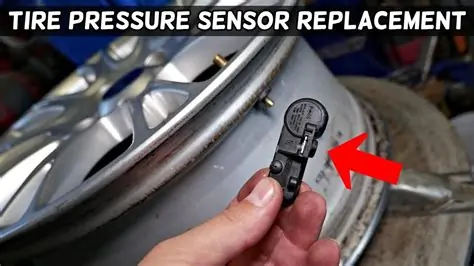
Discover the TPMS sensor’s role, common damage causes, signs of failure, effects on your vehicle, and guidance for replacement in this comprehensive guide.When it comes to vehicle safety and performance, every component plays a vital role—especially the Tire Pressure Monitoring System (TPMS) sensor. This unsung hero continuously monitors tire pressure and alerts drivers to any issues, ensuring optimal handling and fuel efficiency. However, like any component, TPMS sensors can fail or become damaged due to various factors. Understanding what a TPMS sensor is, knowing the common causes of its failure, and being able to identify the signs of a malfunction can save you from potential hazards on the road. Additionally, if you find yourself dealing with a broken TPMS sensor, knowing how it affects your vehicle and how to replace it can empower you to take action swiftly. In this blog post, we’ll dive deeper into these crucial aspects to keep you informed and prepared.
What is a TPMS sensor?
A Tire Pressure Monitoring System (TPMS) sensor is a vital component in modern vehicles, designed to monitor the air pressure within the tires. Ensuring optimal tire pressure is crucial for vehicle safety, fuel efficiency, and overall performance.
TPMS sensors are typically divided into two categories:
- Direct TPMS: This type includes sensors attached to each tire, monitoring the air pressure in real-time and sending data to the vehicle’s onboard computer.
- Indirect TPMS: Instead of measuring air pressure directly, this system relies on the vehicle’s wheel speed sensors to detect differences in tire pressure based on changes in tire rotation speed.
The primary function of a TPMS sensor is to warn the driver when tire pressure falls below or exceeds a recommended level, helping to prevent tire blowouts and improving fuel economy. The sensors communicate with the vehicle’s dashboard, typically illuminating a warning light when abnormalities are detected.
In essence, a functioning TPMS sensor is your first line of defense against unsafe driving conditions caused by improper tire pressure.
Common causes of sensor damage
A Tire Pressure Monitoring System (TPMS) sensor is crucial for maintaining the safety and efficiency of your vehicle. However, various factors can lead to sensor damage. Here are some of the most common causes:
- Physical Impact: Hitting potholes, curbs, or other obstructions can cause significant damage to the TPMS sensor. Such physical impacts may misalign or break the sensor altogether.
- Corrosion: Exposure to moisture, road salt, and other environmental factors can lead to corrosion of the sensor over time. This is particularly common in areas with harsh winter conditions.
- Battery Failure: Most TPMS sensors are equipped with a battery that can fail after a certain period. A dead battery can disable the sensor and prevent it from relaying tire pressure information.
- Heat Exposure: Excessive heat from sources such as the engine or brakes can cause the sensor to malfunction. Continuous exposure to high temperatures can deteriorate its components.
- Improper Installation: During tire changes or rotations, if a TPMS sensor is not installed correctly, it can sustain damage. Incorrect mounting can lead to sensor failure.
Understanding these common causes of TPMS sensor damage can help you take preventive measures and maintain the functionality of your vehicle’s tire pressure monitoring system.
Signs of a broken TPMS sensor
The Tire Pressure Monitoring System (TPMS) plays a crucial role in vehicle safety by monitoring the air pressure in your tires. A broken TPMS sensor can lead to serious driving hazards and reduce fuel efficiency. Here are some of the key signs of a broken TPMS sensor that every driver should be aware of:
- Dashboard Warning Light: One of the most obvious signs is the illumination of the TPMS warning light on your dashboard. If this light is on, it indicates a problem with the tire pressure or the TPMS sensor itself.
- Inconsistent Tire Pressure Readings: If you notice fluctuations in tire pressure readings that don’t correspond with actual tire inflation, your TPMS sensor may be damaged. For instance, if your tire pressure gauge shows an appropriate pressure, but the TPMS reads low, this inconsistency could signal a malfunction.
- Erratic Sensor Behavior: When the TPMS system behaves unpredictably, such as continuously flashing or resetting, it is a clear indicator of a broken sensor. This erratic behavior can often confuse drivers about their tire conditions.
- Temperature Changes: Sudden changes in temperature can affect tire pressure, leading to a possible malfunction in the TPMS. If your sensors aren’t responding appropriately to these changes, it might be an indication of a sensor issue.
- Loss of Sensors After Tire Service: If you recently had tire service, such as rotation or replacement, and you experience TPMS warnings afterward, it could mean the sensors weren’t properly reinstalled or calibrated.
- Increased Fuel Consumption: A broken TPMS can lead to incorrect tire pressure, which may cause increased rolling resistance and ultimately, lower fuel economy. If you notice a significant increase in fuel consumption, it could be a sign of an underlying TPMS issue.
Awareness of these signs can help in identifying a broken TPMS sensor early. If you suspect any of the above issues, it is advisable to consult a professional mechanic to assess the condition of your TPMS system.
Effect of a broken sensor on vehicle
A broken TPMS (Tire Pressure Monitoring System) sensor can have significant impacts on your vehicle’s performance and safety. Understanding these effects is crucial for maintaining your vehicle in optimal condition. Here are some of the primary consequences of having a broken TPMS sensor:
- Increased Risk of Tire Blowouts: Without a functioning TPMS sensor, drivers may not be aware of low tire pressure, which can lead to increased risk of tire blowouts. This situation can be dangerous, especially at high speeds.
- Reduced Fuel Efficiency: Proper tire pressure is essential for fuel efficiency. A broken sensor may prevent timely alerts about tire pressure issues, leading to under-inflated tires and reduced miles per gallon.
- Poor Handling and Performance: Tires that are not properly inflated can negatively affect vehicle handling. A broken TPMS sensor means you might not be aware of these issues, leading to poor vehicle performance and an uncomfortable driving experience.
- Increased Tire Wear: Low tire pressure caused by a malfunctioning TPMS can lead to uneven tire wear, which can necessitate premature tire replacement. This not only costs more money in the long run but can also impact safety.
- Potential Warning Light Ignorance: A broken TPMS sensor can cause the warning light to be constantly illuminated or, conversely, not function at all. This can lead to drivers ignoring other potential warning signals that indicate a need for vehicle maintenance.
In summary, a broken TPMS sensor does not merely symbolize a minor inconvenience; it can pose real risks to vehicle safety, efficiency, and overall performance. Regular maintenance and timely repairs are essential to ensure your TPMS is functioning correctly.
How to replace a TPMS sensor
The Tire Pressure Monitoring System (TPMS) is crucial for maintaining optimal tire pressure and ensuring vehicle safety. When a TPMS sensor is broken or damaged, replacing it becomes necessary to restore functionality. Here’s a step-by-step guide on how to replace a TPMS sensor effectively.
Tools and Materials Needed
- New TPMS sensor
- Tire pressure gauge
- Tire changing tools (jack, lug wrench)
- TPMS sensor activation tool
- Replacement valve stem (if necessary)
Step-by-Step Guide
- Preparation: Ensure that your vehicle is parked on a flat surface with the ignition off. Engage the parking brake for safety.
- Remove the Wheel: Use a jack to lift the vehicle and remove the lug nuts with a lug wrench. Take off the wheel carefully.
- Remove the Old TPMS Sensor: Locate the old TPMS sensor attached to the inside of the tire. If it’s secured with a valve stem, unscrew the stem to remove the sensor.
- Install the New TPMS Sensor: Insert the new sensor into the valve stem hole. Secure it properly to avoid any air leaks.
- Reattach the Wheel: Place the wheel back onto the hub and hand-tighten the lug nuts before lowering the vehicle and fully tightening them.
- Activate the New Sensor: Use a TPMS sensor activation tool to sync the new sensor with the vehicle’s onboard systems. Follow the specific instructions that come with your TPMS tool.
- Check Tire Pressure: Finally, use a tire pressure gauge to confirm that the tire is inflated to the recommended pressure level.
Additional Tips
- Always consult your vehicle’s manual for specific instructions related to your make and model.
- If you’re uncomfortable performing the replacement yourself, consider visiting a professional mechanic.
Replacing a TPMS sensor can seem daunting, but with the right tools and instructions, it becomes a manageable task. Ensuring your tire pressure monitoring system is functional is essential for vehicle safety and performance.
Frequently Asked Questions
What is a TPMS sensor?
A Tire Pressure Monitoring System (TPMS) sensor is a device that monitors the air pressure in tires and alerts the driver if any tire is under-inflated or over-inflated.
What are the common signs of a broken TPMS sensor?
Common signs include a warning light on the dashboard, inconsistent pressure readings, or the system failing to alert when tire pressure is low.
Can I drive my car with a broken TPMS sensor?
While it’s possible to drive with a broken TPMS sensor, it’s not recommended as you won’t receive alerts for tire pressure issues, which can compromise safety.
How do I know if my TPMS sensor needs replacement?
If the TPMS warning light remains illuminated even after checking the tire pressures, or if the readings are consistently inaccurate, it may be time for a replacement.
How much does it cost to replace a TPMS sensor?
The cost to replace a TPMS sensor can vary widely depending on the make and model of your vehicle, but it generally ranges from $40 to $150 per sensor.
Can I reset a broken TPMS sensor myself?
If the TPMS sensor is merely malfunctioning and not completely broken, you may be able to reset it using a TPMS reset tool or by following the vehicle’s manual instructions.
What causes a TPMS sensor to fail?
TPMS sensors can fail due to battery depletion, damage from road hazards, or issues with the vehicle’s electronic systems, among other reasons.