
Discover the benefits, installation tips, and cost comparison of aftermarket TPMS sensors versus OEM options. Explore popular brands and enhance your vehicle’s safety today!In today’s automotive landscape, maintaining optimal tire pressure is crucial for ensuring safety, fuel efficiency, and overall vehicle performance. This is where Tire Pressure Monitoring System (TPMS) sensors come into play, helping drivers monitor tire health in real time. While many vehicles come equipped with original equipment manufacturer (OEM) TPMS sensors, aftermarket options offer a compelling alternative for those seeking affordability and flexibility. This blog post delves into the world of aftermarket TPMS sensors, exploring what they are, their advantages over OEM choices, and some popular brands to consider. Additionally, we’ll guide you through the installation process and provide a cost comparison to help you make an informed decision. Whether you’re a seasoned car enthusiast or a casual driver, discovering the best aftermarket TPMS sensors can greatly enhance your driving experience.
What are aftermarket TPMS sensors?
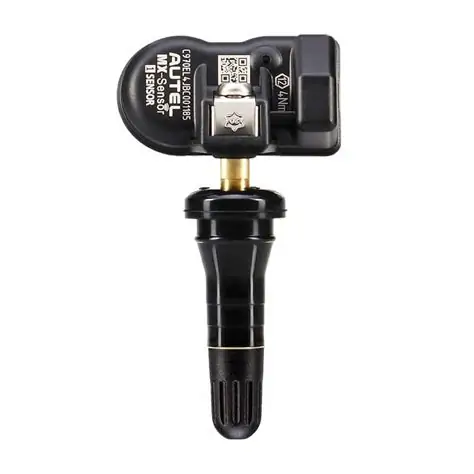
Aftermarket TPMS sensors are tire pressure monitoring system sensors that can be used as a replacement for the original equipment manufacturer (OEM) sensors that come with a vehicle. These sensors play a critical role in ensuring that the tires are properly inflated, which is essential for safe driving and optimizing fuel efficiency.
TPMS sensors are designed to monitor the air pressure in your vehicle’s tires and alert the driver if the pressure falls below a certain threshold. While OEM sensors are typically made by the vehicle manufacturer, aftermarket sensors are produced by third-party companies and can often be a more affordable option.
Aftermarket TPMS sensors generally offer a range of features, including:
- Compatibility: Many aftermarket sensors are designed to be compatible with a wide variety of vehicle makes and models.
- Cost-Effectiveness: They often come at a lower price compared to OEM sensors, making them a budget-friendly choice for vehicle owners.
- Variety: A broad selection of options is available, allowing drivers to choose based on their specific performance needs and preferences.
These sensors must be properly installed and calibrated to function efficiently. In some cases, they can communicate with the vehicle’s onboard computer system through different protocols, ensuring that drivers receive real-time data about tire pressure.
Overall, aftermarket TPMS sensors are an essential component for ensuring safe and efficient vehicle operation, providing similar functionalities to OEM sensors but often at a much lower cost.
Advantages of using aftermarket TPMS sensors
Aftermarket TPMS sensors (Tire Pressure Monitoring System) have gained significant popularity among automotive enthusiasts and everyday drivers alike. These sensors provide vital information about tire pressure and help maintain optimal vehicle safety and performance. Here are some notable advantages of using aftermarket TPMS sensors:
- Cost-Effective: Aftermarket TPMS sensors often come at a lower price compared to Original Equipment Manufacturer (OEM) options, providing significant savings for consumers without compromising quality.
- Wide Selection: The aftermarket offers a broad range of TPMS sensors compatible with various vehicle makes and models, allowing consumers to choose products that best suit their needs.
- Easy Availability: Aftermarket sensors are readily available through different retailers, both online and in-store. This ease of access means you can find suitable options quickly when it’s time for replacement.
- Innovative Features: Many aftermarket TPMS sensors come with advanced features, such as enhanced durability, better battery life, and improved accuracy in reading tire pressure, offering superior performance over OEM sensors.
- Customizability: Some aftermarket sensors allow for customization, which includes integration with various monitoring systems and the ability to program them for specific performance metrics.
Overall, choosing aftermarket TPMS sensors can bring a multitude of benefits, from cost savings to advanced features, making them an excellent choice for any vehicle owner.
Popular brands for aftermarket TPMS sensors
When it comes to choosing the best aftermarket TPMS sensors, there are several well-known brands that stand out in the market for their quality, reliability, and performance. Below, we explore some of the most popular brands renowned for manufacturing aftermarket TPMS sensors.
| Brand | Features | Price Range |
|---|---|---|
| Schrader | Original manufacturer, extensive compatibility, durable design. | $$ |
| Huf | Advanced sensor technology, robust performance, and OE-level accuracy. | $$$ |
| Alligator | Economical choice, good reliability, and ease of installation. | $ |
| VDO | High-quality sensors, precise readings, and competitive pricing. | $$ |
| Bartec | Transmitter for multiple applications, excellent diagnostics features. | $$$ |
1. Schrader
Schrader is a leading name in the industry, known for producing TPMS sensors that are both durable and highly compatible with a wide range of vehicles. Their sensors are often used as original equipment.
2. Huf
Huf is recognized for its advanced technology, offering reliable and high-performance aftermarket TPMS sensors. They are often praised for their accuracy and strong build quality.
3. Alligator
Alligator caters to budget-conscious consumers, providing reliable and easy-to-install aftermarket TPMS sensors. They are well-regarded for their cost-effectiveness without sacrificing quality.
4. VDO
VDO is known for its precision and competitive pricing. The brand is trusted for producing TPMS sensors that ensure accurate monitoring and enhance vehicle safety.
5. Bartec
Bartec is not only a manufacturer of TPMS sensors but also offers exceptional diagnostic tools. Their products are popular in automotive service shops due to their advanced technology and ease of use.
When considering which brand to choose, it’s essential to review product specifications and compatibility with your vehicle to ensure optimal performance. Always remember that the right choice can significantly enhance your driving experience and safety.
How to install aftermarket TPMS sensors
Installing aftermarket TPMS sensors can be a cost-effective alternative to original equipment manufacturer (OEM) sensors. Whether you’re a DIY enthusiast or just looking to save on installation costs, here’s a straightforward guide to help you install your new sensors.
What You’ll Need:
- Aftermarket TPMS sensors
- TPMS sensor activation tool
- Tire changing tools (jack, tire iron, etc.)
- Digital tire pressure gauge
- Thread sealant (optional)
Step-by-Step Installation Guide:
- Prepare the Vehicle: Safely lift the vehicle using a jack and remove the tires where you will install the sensors.
- Remove Old Sensors: If you’re replacing existing sensors, carefully unscrew them from the valve stems. Be cautious not to damage the valve stems in the process.
- Install Aftermarket TPMS Sensors:
- Use thread sealant, if desired, to prevent air leaks.
- Thread the new sensor onto the valve stem and tighten it securely, but avoid overtightening which could damage the sensor.
- Reinstall the Tires: Once the sensors are installed, place the tires back onto the vehicle and securely fasten them.
- Activate the Sensors: Use a TPMS sensor activation tool to communicate with each of the installed sensors. This step ensures that your vehicle’s onboard computer recognizes them.
- Check Tire Pressure: After activating the sensors, use a digital tire pressure gauge to ensure each tire is inflated to the recommended pressure.
Tips for Successful Installation:
- Consult your vehicle’s manual for specific installation instructions regarding your model.
- If possible, have a professional inspect your work or assist you, especially if you’re new to tire installations.
- Recheck the tire pressure after a short drive to ensure that the sensors are functioning properly.
The installation of aftermarket TPMS sensors not only saves you money but also allows for greater customization and options for vehicle maintenance.
With this guide, installing aftermarket TPMS sensors should be a straightforward task. Make sure to follow each step carefully, and enjoy the benefits of accurate tire pressure monitoring on your vehicle.
Cost comparison: OEM vs aftermarket TPMS sensors
When it comes to purchasing TPMS sensors (Tire Pressure Monitoring System sensors), vehicle owners often face a choice between Original Equipment Manufacturer (OEM) sensors and aftermarket options. Understanding the cost differences between these two categories is essential for making an informed decision. Below, we explore the various factors that influence the pricing of OEM and aftermarket TPMS sensors.
Price Range
The price for OEM TPMS sensors typically ranges from $50 to $150 per sensor, depending on the make and model of the vehicle. Conversely, aftermarket TPMS sensors usually fall within a range of $20 to $70 per sensor, making them a more affordable option for many car owners.
Factors Affecting Costs
- Quality and Performance: OEM sensors are designed by the vehicle manufacturer to meet specific standards, ensuring reliability and accuracy. Aftermarket sensors vary in quality, and while many reputable brands produce reliable products, some may not perform as well as OEM.
- Warranty: OEM sensors often come with a longer warranty period, which can be an important factor when considering the overall cost. Aftermarket sensors may offer shorter warranties or fewer guarantees.
- Installation Costs: Depending on where you purchase and install these sensors, labor costs may vary. Generally, installation costs will be similar whether you choose OEM or aftermarket options, but ensure to factor this into the total cost.
Long-term Considerations
While aftermarket TPMS sensors may save you money upfront, it’s essential to consider potential long-term implications. If they fail prematurely, you may need to replace them sooner than you would an OEM sensor, leading to additional costs that can negate the savings.
Overall Cost Effectiveness
Ultimately, when comparing the costs of OEM vs aftermarket TPMS sensors, it’s vital to weigh not only the initial purchase price but also the long-term performance and dependability. A cheaper initial cost can be tempting, but investing in OEM may provide better value in terms of reliability over time.
In summary, the decision between OEM and aftermarket TPMS sensors involves careful consideration of both the upfront costs and long-term value, ensuring that you choose the best option for your vehicle’s needs.
Frequently Asked Questions
What are aftermarket TPMS sensors?
Aftermarket TPMS sensors are tire pressure monitoring system sensors that are manufactured by companies other than the original equipment manufacturer (OEM). They are designed to provide comparable performance and reliability at potentially lower costs.
Why should I consider using aftermarket TPMS sensors?
Aftermarket TPMS sensors can be an affordable alternative to OEM sensors, offering similar functionality while often providing better value. They are also widely available and compatible with many vehicle makes and models.
How do I choose the best aftermarket TPMS sensor for my vehicle?
To choose the best aftermarket TPMS sensor, consider factors such as compatibility with your vehicle model, battery life, ease of installation, read range, and warranty offered by the manufacturer.
Are aftermarket TPMS sensors easy to install?
Yes, most aftermarket TPMS sensors are designed for easy installation, often requiring just the removal of the tire and following the manufacturer’s instructions for mounting. However, some may require a professional installation for best results.
How do aftermarket TPMS sensors compare to OEM in terms of performance?
While OEM sensors are designed specifically for particular vehicles, many aftermarket sensors match or even exceed OEM performance standards, offering accurate tire pressure readings and similar durability, though quality can vary by brand.
Do aftermarket TPMS sensors require reprogramming?
Yes, aftermarket TPMS sensors typically need to be programmed to your vehicle’s system, either through a TPMS tool or a diagnostic scanner, to ensure proper communication and functionality.
What are the signs that my TPMS sensors need replacement?
Signs of failing TPMS sensors may include persistent warning lights on the dashboard, inaccurate tire pressure readings, or a drop in tire pressure that isn’t due to punctures or air leaks.