
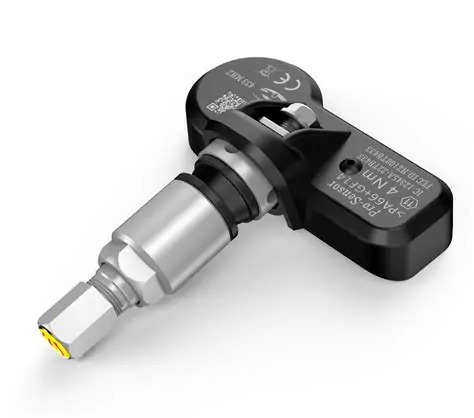
Explore TPMS sensors: understand types, challenges, and benefits of universal sensors, and learn how to choose the right one for your vehicle.When it comes to maintaining your vehicle’s safety and performance, Tire Pressure Monitoring System (TPMS) sensors play a crucial role. These small yet vital devices alert drivers to changes in tire pressure, helping to prevent accidents and extend tire life. But are TPMS sensors universal? As technology and automotive standards evolve, understanding the types of TPMS sensors available and their compatibility across different makes and models is essential for both car owners and mechanics. This blog post will delve into the different types of TPMS sensors, explore the challenges and benefits of using universal sensors, and offer guidance on choosing the right TPMS sensor for your vehicle. Whether you’re a seasoned mechanic or a novice car owner, our insights will help clarify the intricacies of TPMS sensors and ensure you make informed decisions for your vehicle’s safety.
Understanding TPMS Sensors
A Tire Pressure Monitoring System (TPMS) is an essential safety feature in modern vehicles, designed to monitor the air pressure in your tires. The system alerts drivers when tire pressure is too low or too high, which can help prevent accidents and improve fuel efficiency.
There are two main types of TPMS sensors: Direct TPMS and Indirect TPMS.
| Type | Description |
|---|---|
| Direct TPMS | This type uses sensors mounted on the valve stems of each tire to measure the actual tire pressure. The data is sent to the vehicle’s computer system, providing real-time information. |
| Indirect TPMS | Instead of using separate sensors, this type estimates tire pressure through the vehicle’s ABS (anti-lock braking system). It relies on the rotation speed of each wheel to detect significant changes in pressure. |
Understanding how TPMS sensors work can enhance your vehicle maintenance habits and ultimately keep you safe on the road. Here are a few essential points to consider:
- Real-Time Monitoring: Direct TPMS allows drivers to receive real-time information about their tire pressure, which can prompt immediate action.
- Maintenance Awareness: Awareness of tire pressures can also lead to regular maintenance, helping to extend the lifespan of your tires.
- Safety Benefits: Properly inflated tires improve vehicle handling and reduce the risk of blowouts.
In summary, TPMS sensors play a significant role in road safety and vehicle performance. By keeping track of your tire pressure, you not only ensure your car runs efficiently but also significantly enhance your safety and that of others on the road.
Types of TPMS Sensors
Tire Pressure Monitoring Systems (TPMS) play a crucial role in enhancing vehicle safety and efficiency by monitoring tire pressure in real-time. There are two primary types of TPMS sensors: Direct TPMS and Indirect TPMS, each with its unique characteristics and functionality.
1. Direct TPMS
Direct TPMS measures the actual tire pressure using sensors mounted on each tire. These sensors transmit real-time data to the vehicle’s onboard system. Key features of Direct TPMS include:
- Real-Time Monitoring: Provides accurate tire pressure readings instantly.
- Warning System: Alerts drivers immediately if tire pressure falls below a defined threshold.
- Advanced Technology: Typically features more sophisticated sensors integrated into the valve stems.
2. Indirect TPMS
Indirect TPMS does not use pressure sensors. Instead, it relies on the vehicle’s ABS (Anti-lock Braking System) wheel speed sensors to detect tire pressure issues. This type of system uses the following methods:
- Speed Comparison: Monitors wheel speed to infer tire pressure; a flat tire rotates at a different speed compared to properly inflated tires.
- Calibration Requirement: This system often requires recalibration after tire rotations or replacements.
- Cost-Effectiveness: Indirect systems are generally less expensive due to fewer components involved.
Both Direct and Indirect TPMS have their advantages and challenges. Understanding these types of TPMS sensors is essential for vehicle owners looking to maintain optimal tire health.
Table of Comparison
| Feature | Direct TPMS | Indirect TPMS |
|---|---|---|
| Measurement Method | Actual tire pressure | Wheel speed comparison |
| Real-Time Alerts | Yes | No |
| Calibration Needed | No | Yes |
| Ease of Installation | More complex | Less complex |
| Cost | Higher | Lower |
Choosing the appropriate type of TPMS sensor is critical for effective tire management and safety on the road.
Challenges with Universal Sensors
When it comes to TPMS sensors (Tire Pressure Monitoring System), universal options might seem like a convenient solution for consumers. However, navigating the complexities of these sensors can present several challenges. Here, we explore the main hurdles associated with using universal TPMS sensors.
1. Compatibility Issues
One of the most significant challenges with universal sensors is compatibility. Not all vehicles are designed to work seamlessly with universal TPMS sensors. These sensors may not be fully compatible with the vehicle’s onboard computer, leading to issues with accurate readings.
2. Installation Complexity
While some may think that installing universal TPMS sensors is straightforward, the reality is often more complicated. Universal sensors can require specialized tools or knowledge for installation, potentially leading to additional labor costs.
3. Calibration Difficulties
After installation, calibration may be needed to ensure that the sensors are providing accurate readings. This process can be challenging, especially if the universal sensors do not perfectly match the specifications of the vehicle’s original sensors.
4. Performance Variability
The performance of universal sensors can be inconsistent when compared to OEM (Original Equipment Manufacturer) sensors. Factors such as signal strength and battery life may vary, resulting in reliability concerns.
5. Regulatory Compliance
Some vehicles may have specific regulatory requirements regarding safety features, including TPMS. Using universal sensors that do not meet these regulations can result in legal complications and violate warranty agreements.
6. Limited Features
Universal TPMS sensors often lack certain advanced features found in OEM sensors, such as temperature monitoring and enhanced diagnostic capabilities. This limitation might prevent drivers from receiving complete information about their tire health.
Even though universal TPMS sensors can provide a cost-effective option, it is essential to weigh these challenges against potential benefits. Understanding these hurdles can help consumers make informed decisions regarding their tire pressure monitoring needs.
Benefits of Universal TPMS Sensors
In recent years, the advancements in automotive technology have led to the widespread adoption of Tire Pressure Monitoring Systems (TPMS). As a crucial component of modern vehicles, these systems help ensure safety and efficiency on the road. One notable innovation in the TPMS field is the development of universal TPMS sensors. Below, we explore the benefits these sensors bring to both consumers and automotive professionals.
1. Cost-Effectiveness
One of the primary advantages of universal TPMS sensors is their cost-effectiveness. Unlike specific sensors that are made for individual vehicle brands and models, universal sensors can fit a wide range of vehicles. This compatibility reduces the need for carrying multiple sensor types, significantly lowering inventory costs for auto shops.
2. Simplified Installation Process
Installing universal TPMS sensors is often simpler and faster than installing standard sensors. Technicians can easily program these sensors to the vehicle’s onboard system, which saves valuable time during the installation process. This is especially beneficial for workshops that handle a variety of vehicles.
3. Enhanced Availability
Due to their universal nature, these sensors are widely available. This means that mechanics and retailers can find and source them easily, reducing downtime for vehicle repairs. The consistent availability helps in quick service deliveries, improving overall customer satisfaction.
4. Minimal Maintenance
Another benefit is that universal TPMS sensors generally require minimal maintenance. Their design enables them to work efficiently across various tire models and brands, providing reliable performance without the frequent need for adjustments or replacements.
5. Improved Safety
By using universal TPMS sensors, drivers can ensure that their vehicle maintains proper tire pressure levels. This contributes to safer driving conditions by reducing the risk of tire blowouts and ensuring optimal fuel efficiency. Proper tire maintenance can also enhance the vehicle’s overall performance and lifespan.
6. Eco-Friendly Option
Utilizing universal TPMS sensors can also have environmental benefits. Proper tire inflation reduces fuel consumption and greenhouse gas emissions, which contributes to a smaller carbon footprint. This aligns with the growing demand for sustainable solutions in the automotive industry.
In summary, universal TPMS sensors offer a range of benefits that enhance their attractiveness to both consumers and automotive service providers. With their cost-effectiveness, ease of installation, and safety improvements, it’s clear that they play an essential role in modern vehicle maintenance.
Choosing the Right TPMS Sensor
Choosing the right TPMS sensor is crucial for maintaining your vehicle’s safety and performance. With various options available on the market, it can be overwhelming to determine the best fit for your needs. Below, we explore key factors to consider, types of sensors, and the importance of compatibility.
1. Types of TPMS Sensors
Before selecting a TPMS sensor, it’s essential to understand the different types:
- Direct TPMS Sensors: These sensors monitor the actual tire pressure using pressure sensors inside the tire. They provide real-time data and are more accurate.
- Indirect TPMS Sensors: These utilize the vehicle’s ABS system to estimate tire pressure based on the rotational speed of the tires. While less accurate, they are usually simpler and less expensive.
2. Compatibility with Your Vehicle
Ensure that the TPMS sensor you choose is compatible with your vehicle’s make and model. Different manufacturers may use proprietary systems that require specific sensors. Check your vehicle’s manual or consult with a professional to confirm compatibility.
3. Brand Reputation
Choosing a well-regarded brand can make a significant difference in reliability. Look for TPMS sensors from reputable manufacturers who offer warranties and customer support. Read reviews and ratings to gauge performance and satisfaction.
4. Installation Requirements
Some TPMS sensors may require professional installation, while others can be set up easily at home. If you opt for a direct system, consider whether you have the tools and knowledge for installation or if you need assistance from a mechanic.
5. Cost Considerations
Prices for TPMS sensors can vary widely. While some features might seem appealing, it’s essential to balance cost with functionality. Consider your budget and the long-term benefits of more expensive options, such as enhanced accuracy and durability.
6. Future Needs
Think ahead. Will you be changing tires frequently or switching to different vehicles? Choosing a versatile or universal TPMS sensor can save you time and money down the line. Universal sensors may offer a broader range of compatibility.
In summary, selecting the right TPMS sensor involves evaluating the type, compatibility, brand reputation, installation requirements, cost, and future needs. By considering these factors, you can ensure optimal performance and safety for your vehicle.
Frequently Asked Questions
What does TPMS stand for?
TPMS stands for Tire Pressure Monitoring System, which is a technology that monitors the air pressure inside the tires.
Are all TPMS sensors interchangeable between different vehicle makes and models?
No, not all TPMS sensors are interchangeable. Each vehicle may require a specific TPMS sensor type depending on its make, model, and year.
What types of TPMS sensors exist?
There are two main types of TPMS sensors: direct TPMS, which uses pressure sensors inside the tire, and indirect TPMS, which uses the vehicle’s ABS system to monitor tire pressure indirectly.
How can I determine which TPMS sensor my vehicle needs?
You can determine the required TPMS sensor by checking your vehicle’s owner’s manual, consulting with a dealership, or using a TPMS sensor compatibility tool online.
Can I replace a TPMS sensor myself?
Yes, you can replace a TPMS sensor yourself if you have the right tools and knowledge, but it is often recommended to have it done by a professional to ensure proper reprogramming and installation.
What happens if a TPMS sensor fails?
If a TPMS sensor fails, it may not accurately detect tire pressure, leading to potential safety issues such as underinflated tires, which can affect handling and fuel efficiency.
Is reprogramming necessary after replacing a TPMS sensor?
Yes, reprogramming is often necessary after replacing a TPMS sensor to ensure that the vehicle’s system recognizes the new sensor and accurately monitors tire pressure.