
Explore TPMS sensors: their types, performance variations, quality factors, and tips for choosing the right sensor for your vehicle. Stay safe on the road!When it comes to vehicle safety and performance, Tire Pressure Monitoring Systems (TPMS) have become a vital component, alerting drivers to tire pressure issues before they escalate. However, not all TPMS sensors are created equal, and understanding the nuances between them is crucial for every driver. In this blog post, we will delve into the fundamentals of TPMS sensors, exploring the different types available and the performance variations that can impact your vehicle’s functionality. Additionally, we’ll discuss the factors influencing sensor quality and provide insights on how to choose the right TPMS sensor tailored to your vehicle’s needs. Whether you’re a car enthusiast or simply looking to enhance your driving experience, this guide will help you navigate the world of TPMS sensors with confidence.
Understanding TPMS sensors
Tire Pressure Monitoring System (TPMS) sensors play a crucial role in vehicle safety and performance. They are designed to monitor the air pressure inside the tires and alert the driver when the pressure drops below a certain threshold. Understanding these sensors is essential for vehicle maintenance and ensuring optimal performance on the road.
There are primarily two types of TPMS sensors:
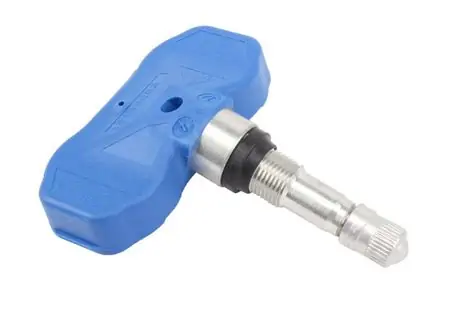
- Direct TPMS: These sensors are mounted directly on the tires and measure the actual air pressure. They transmit real-time data to the vehicle’s onboard computer, allowing for accurate monitoring.
- Indirect TPMS: Instead of using physical sensors in the tires, indirect systems estimate tire pressure based on ABS (Anti-lock Braking System) data, such as wheel rotation speed. If a tire is under-inflated, it will rotate faster than properly inflated tires.
TPMS sensors have specific performance characteristics that might differ based on their manufacturer or type. This variation can impact functionality, such as the accuracy of the pressure readings and the speed of the alerts. Therefore, it’s important to choose high-quality sensors to ensure reliable operation.
Several factors can affect the performance and quality of TPMS sensors, including:
| Factor | Impact on Sensor Quality |
|---|---|
| Environmental conditions | Extreme temperatures can affect sensor accuracy and longevity. |
| Battery life | A weak battery can lead to delayed alerts or complete sensor failure. |
| Installation quality | Poor installation can cause sensors to malfunction or provide inaccurate readings. |
Understanding the nuances of TPMS sensors ensures that drivers can maintain their vehicles more effectively. Regular checks and proper maintenance can help prevent issues related to tire pressure, ultimately enhancing road safety.
Different types of TPMS sensors
The Tire Pressure Monitoring System (TPMS) is a crucial safety feature found in modern vehicles, designed to monitor the air pressure in tires and ensure optimal performance and safety. While all TPMS sensors serve the same fundamental purpose, they come in different types, each with unique characteristics and functionalities. Below, we explore the different types of TPMS sensors, shedding light on their distinctions and applications:
| Type of TPMS Sensor | Description | Benefits |
|---|---|---|
| Direct TPMS | Direct TPMS sensors are mounted inside each tire. They measure the actual tire pressure and send real-time data to the vehicle’s onboard computer. |
|
| Indirect TPMS | Indirect TPMS relies on the vehicle’s ABS (Anti-lock Braking System) wheel speed sensors to detect variations in tire pressure by monitoring the rotational speed of each tire. |
|
| Combination Systems | Some vehicles utilize both direct and indirect systems to enhance overall tire pressure monitoring, providing a comprehensive view of tire conditions. |
|
Understanding the different types of TPMS sensors can help vehicle owners make informed decisions about their tire maintenance and safety. Choosing the right type of sensor for your vehicle is crucial for maintaining optimal tire performance and ensuring road safety.
Performance variations in TPMS sensors
When it comes to Tire Pressure Monitoring System (TPMS) sensors, one key aspect that often goes overlooked is the performance variations among different types of sensors. Understanding these variations is crucial for vehicle owners and enthusiasts alike, especially when it comes to ensuring safety and optimal vehicle performance.
Types of TPMS Sensors
TPMS sensors can be categorized into two primary types: Direct TPMS and Indirect TPMS. Each type has its own performance characteristics:
| Sensor Type | Description | Performance Characteristics |
|---|---|---|
| Direct TPMS | Measures tire pressure directly using pressure sensors inside the tires. | More accurate readings; provides real-time data on tire pressure. |
| Indirect TPMS | Estimates tire pressure based on wheel rotation and speed sensors. | Less accurate; relies on comparisons to determine pressure variations. |
Factors Influencing Performance
Several factors can influence the performance of TPMS sensors, including:
- Calibration: Proper calibration is essential for accurate readings. Poorly calibrated sensors may lead to false alerts or missed detections.
- Temperature Sensitivity: Different sensors respond variably to temperature changes, impacting pressure readings and triggering alerts.
- Battery Life: The lifespan of a TPMS sensor battery varies, affecting how long the sensor can operate effectively.
- Material Quality: The quality of the materials used in TPMS sensors can affect their resilience to environmental factors, such as moisture or corrosion.
Impact of Performance Variations
The performance variations in TPMS sensors can have significant implications for vehicle safety and maintenance:
Choosing the right TPMS sensor can enhance not only the accuracy of tire pressure readings but also the overall driving experience. – Automotive Expert
A well-performing TPMS sensor can lead to better fuel efficiency, enhanced handling, and improved tire longevity. In contrast, malfunctioning or low-quality sensors can result in safety hazards, such as blowouts or decreased traction.
In summary, awareness of the performance variations in TPMS sensors—and the factors that influence these variations—can aid vehicle owners in making informed decisions regarding tire maintenance and safety.
Factors affecting TPMS sensor quality
The quality of TPMS (Tire Pressure Monitoring System) sensors is crucial for maintaining optimal vehicle safety and performance. Several factors can significantly affect the quality and reliability of these sensors. Here, we break down the primary considerations:
- Material Quality: The materials used in manufacturing TPMS sensors can vary greatly. High-quality materials are more resistant to environmental factors such as moisture, corrosion, and temperature fluctuations, ensuring longer sensor lifespan.
- Manufacturing Standards: Companies that adhere to strict manufacturing guidelines and standards are more likely to produce reliable TPMS sensors. Certification from recognized organizations can be an indicator of quality.
- Battery Life: Many TPMS sensors come with built-in batteries. The quality and longevity of these batteries impact how often a sensor needs replacing. A higher quality battery can significantly extend the overall lifespan of the TPMS sensor.
- Technology Used: The type of technology (direct vs. indirect TPMS) and the precision of pressure readings can also affect the sensor’s performance. Direct TPMS sensors tend to provide more accurate readings and may come equipped with improved technology for better reliability.
- Environmental Conditions: TPMS sensors are often exposed to harsh conditions such as extreme temperatures, road debris, and moisture. Quality sensors are designed to withstand these elements, thus maintaining their performance over time.
Choosing a TPMS sensor based on these factors can lead to improved monitoring accuracy and safety while driving. It’s important to consider these elements not only for the initial installation bu
Choosing the right TPMS sensor for your vehicle
When it comes to tire pressure monitoring systems (TPMS), not all sensors are created equal. Choosing the right TPMS sensor for your vehicle can significantly impact performance, safety, and overall driving experience. Here’s what you need to consider when making this important decision:
Types of TPMS Sensors
There are primarily two types of TPMS sensors:
- Direct TPMS sensors: These are installed inside the tire and measure the actual tire pressure. They provide real-time data and are more accurate.
- Indirect TPMS sensors: These sensors do not measure pressure directly. Instead, they use the vehicle’s ABS system to gauge tire performance and identify under-inflation through wheel speed variations.
Compatibility with Your Vehicle
Before selecting a TPMS sensor, ensure that it is compatible with your vehicle’s make and model. Some vehicles require specific sensors that communicate with the car’s computer system effectively. Always refer to the owner’s manual or consult with a professional to confirm compatibility.
Quality and Brand Reputation
Choosing a high-quality TPMS sensor can lead to better performance and reliability. It’s advisable to opt for reputable brands that offer warranties and positive customer reviews. Here are a few well-regarded brands:
| Brand | Features |
|---|---|
| Schrader | Direct fit, durable and accurate |
| Valve-T | Innovative designs, user-friendly |
| Dill | Industry standard quality, various sensors available |
Battery Life
Another crucial factor in selecting a TPMS sensor is the battery life. These sensors typically have a lifespan of 5 to 10 years depending on usage and environmental conditions. Always check the expected battery life and consider replacing the sensors when needed to maintain effective monitoring.
Installation and Calibration
Some TPMS sensors are easier to install than others. If you plan to DIY, look for sensors with straightforward installation instructions. Also, consider whether the sensors require calibration after installation, as improper calibration can lead to inaccurate readings.
In summary, selecting the right TPMS sensor involves understanding the type needed, ensuring compatibility, considering quality and battery life, and being aware of installation requirements. By carefully evaluating these factors, you can enhance your vehicle’s performance and ensure safe driving conditions.
Frequently Asked Questions
What does TPMS stand for?
TPMS stands for Tire Pressure Monitoring System, which is designed to monitor the air pressure in tires.
Are all TPMS sensors interchangeable?
No, TPMS sensors are not interchangeable; they vary by make, model, and year of the vehicle.
What are the two types of TPMS sensors?
The two types of TPMS sensors are direct TPMS, which measures air pressure directly from each tire, and indirect TPMS, which estimates tire pressure based on wheel rotation and ABS data.
How do I know if my vehicle uses direct or indirect TPMS?
You can find out if your vehicle uses direct or indirect TPMS by checking the owner’s manual or consulting with your vehicle’s manufacturer.
Can I replace just one TPMS sensor?
Yes, you can replace just one TPMS sensor, but it is often recommended to replace all sensors at the same time for consistent performance.
What might happen if my TPMS sensor is faulty?
If a TPMS sensor is faulty, it may fail to alert you when tire pressure is low, which can lead to poor handling, reduced fuel efficiency, and increased tire wear.
How do I maintain my TPMS sensors?
To maintain TPMS sensors, ensure regular tire pressure checks, replace batteries as needed, and have the sensors inspected during tire changes or rotations.