
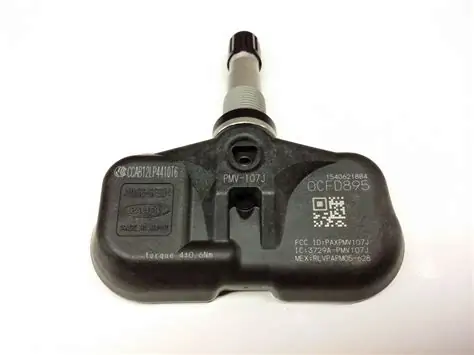
Discover the role and significance of TPMS sensors, common issues, diagnostic tips, and how to replace them in Toyota vehicles.When it comes to vehicle safety and maintenance, understanding the role of the Tire Pressure Monitoring System (TPMS) sensor in your Toyota is crucial. This small yet powerful device continuously monitors tire pressure, alerting you to any potential issues before they escalate into dangerous situations. As we dive deeper into the world of TPMS sensors, we’ll explore their significance, common problems that can arise, and how to diagnose any issues effectively. Additionally, if you find yourself needing a replacement, we’ll guide you through the process specific to Toyota models. Stay informed and ensure your ride remains safe and efficient with our comprehensive look at TPMS sensors.
What is a TPMS sensor?
A Tire Pressure Monitoring System (TPMS) sensor is an essential device found in modern vehicles designed to monitor the air pressure in each of the vehicle’s tires. The primary function of the TPMS is to provide real-time information about tire pressure levels, alerting the driver when tire pressure is either too low or too high. This monitoring helps to ensure optimal performance and safety while driving.
There are two types of TPMS systems: direct and indirect. Here’s a brief overview of each:
| Type | Description |
|---|---|
| Direct TPMS | Uses pressure sensors located inside the tire to measure the tire’s air pressure directly. When the pressure drops below a certain threshold, the system triggers a warning light on the dashboard. |
| Indirect TPMS | Does not use pressure sensors but instead relies on wheel speed sensors to compare the speed of the tires. If one tire has less air, it will rotate at a different speed than the others, prompting a warning. |
Importance of TPMS cannot be overstated. Maintaining correct tire pressure is crucial not only for vehicle efficiency but also for safety on the road. Under-inflated tires can lead to increased tire wear and decreased fuel economy, while over-inflated tires pose a risk of blowouts. The TPMS ensures that drivers are always aware of their tire pressures, minimizing these risks.
By keeping an eye on tire pressure, the TPMS contributes to safer driving experiences and can even improve fuel economy.
Importance of TPMS sensor
The Tire Pressure Monitoring System (TPMS) sensor plays a critical role in vehicle safety and performance. It is designed to monitor the air pressure in your tires and alert the driver when the pressure drops below a certain threshold. Understanding the importance of the TPMS sensor can help drivers maintain their vehicles properly and enhance safety on the road.
Key Functions of the TPMS Sensor
- Safety Enhancement: One of the primary functions of the TPMS sensor is to prevent tire blowouts, which can cause serious accidents. By warning drivers of low tire pressure, the system helps ensure safer driving conditions.
- Fuel Efficiency: Properly inflated tires contribute to better fuel efficiency. The TPMS sensor alerts you when tire pressure is low, leading to improved mileage and savings on fuel costs.
- Extended Tire Life: Maintaining the correct tire pressure helps to minimize wear and tear on tires, resulting in a longer lifespan. The TPMS sensor helps you keep tires in optimal condition.
- Environmental Benefits: With improved fuel efficiency and reduced tire waste, using a TPMS sensor contributes to a lower carbon footprint, benefiting the environment.
Regulatory Importance
Many regions have regulations mandating the installation of a TPMS in vehicles. This has made it a standard feature in most modern vehicles, including Toyota models. Compliance with these regulations ensures that manufacturers meet safety standards, thus protecting consumers.
Cost-Effectiveness
Investing in a vehicle equipped with a TPMS sensor can be cost-effective over time. The savings from fuel efficiency and reduced tire replacement costs can outweigh the initial expense of the system.
Conclusion
In summary, the TPMS sensor is vital for enhancing safety, increasing fuel efficiency, prolonging tire life, and complying with regulations. For Toyota owners and drivers of all vehicles, staying informed about tire pressure is crucial for a safe and economical driving experience.
Common TPMS sensor issues
The Tire Pressure Monitoring System (TPMS) is essential for ensuring your vehicle maintains the proper tire pressure, which is crucial for safety and efficiency. However, like any vehicle component, TPMS sensors can encounter issues. Here are some common problems associated with TPMS sensors:
- Faulty Sensor: A TPMS sensor can fail due to wear and tear, leading to inaccurate pressure readings.
- Dead Battery: Many TPMS sensors are powered by batteries that can die over time, causing the system to fail.
- Signal Interference: External electronic devices can sometimes interfere with the signal transmission from the TPMS sensor to the vehicle’s onboard computer.
- Improper Installation: If a TPMS sensor is not installed correctly, it can cause the system to malfunction or not read tire pressure accurately.
Symptoms of TPMS Issues
Identifying the signs of TPMS sensor issues is crucial for prompt maintenance. Common symptoms include:
- Warning Light: The TPMS warning light illuminates on your dashboard.
- Inconsistent Readings: Pressure readings that fluctuate or are inconsistent.
- Tire Pressure Loss: Rapid loss of tire pressure that doesn’t correlate with a leak.
Regular maintenance of your TPMS can help you avoid these problems. If you experience any of these issues, it’s advisable to consult a professional for diagnosis and repair.
How to diagnose TPMS sensor problems
Diagnosing issues with a TPMS sensor can be crucial for maintaining safe driving conditions. A malfunctioning TPMS (Tire Pressure Monitoring System) can lead to tire underinflation, resulting in reduced fuel efficiency and increased tire wear. Below are steps and tips on how to thoroughly diagnose TPMS sensor problems:
Step 1: Check the Dashboard Indicator
The first sign of a TPMS sensor problem is usually the warning light on your dashboard. If the light is on or blinking, it indicates something is wrong:
- Solid Light: This typically means one or more tires are under-inflated.
- Blinking Light: This could signal a malfunctioning TPMS sensor.
Step 2: Inspect Tire Pressure
Before diving deeper into diagnostics, check the tire pressures using a reliable gauge:
| Tire Pressure (Cold) | If Below Recommended Pressure |
|---|---|
| 32 PSI | Add air to reach the correct level. |
| 29 PSI | Add air to reach the correct level. |
| 35 PSI | No action needed. |
Step 3: Visual Inspection
Perform a visual inspection of each tire and sensor:
- Check for any visible damage on the tires.
- Look for cracks or corrosion around the TPMS sensor valve.
- Ensure that the TPMS sensor is properly mounted and not loose.
Step 4: Use a TPMS Tool
If the problem persists, you may need a TPMS reset tool or a diagnostic tool that can communicate directly with the TPMS. Follow these steps:
- Connect the tool to your vehicle’s OBD-II port.
- Follow the tool instructions to check for any stored error codes.
- Reset the system if necessary, according to the manufacturer guidelines.
Step 5: Replace Faulty Sensors
If diagnostics reveal that certain TPMS sensors are malfunctioning, it may be time for replacement. Ensure you use compatible replacements for your Toyota. Always consult your vehicle’s manual for details on the exact specifications.
Final Steps
After making any repairs or replacements, ensure that you:
- Recheck tire pressures.
- Perform a reset of the TPMS if required.
- Test drive to confirm that the warning light has turned off.
By following these steps, you can effectively diagnose and address any TPMS sensor problems, ensuring safer driving conditions.
Replacing TPMS sensor on Toyota
The Tire Pressure Monitoring System (TPMS) sensor plays a crucial role in ensuring your vehicle’s safety and performance. When it comes to Toyota vehicles, understanding how to replace the TPMS sensor can save you time and money. Here’s a comprehensive guide on how to replace the TPMS sensor on your Toyota.
Tools Needed:
- Jack and Jack Stands
- Tire Iron
- TPMS Sensor Tool
- Replacement TPMS Sensor
- Wrench Set
- Torque Wrench
Step-by-Step Guide to Replace TPMS Sensor on Toyota:
- Preparation: Start by gathering all the necessary tools. Ensure your vehicle is parked on a flat surface and engaged in park mode.
- Lift the Vehicle: Use the jack to raise the vehicle and secure it with jack stands.
- Remove the Tire: Using the tire iron, loosen the lug nuts and remove the tire to access the TPMS sensor located inside the wheel.
- Locate the TPMS Sensor: The sensor is usually mounted on the inside of the wheel, attached to the valve stem.
- Disconnect the Sensor: Carefully disconnect the sensor by removing the nuts using a wrench. Take care not to damage the valve stem.
- Install the New Sensor: Take your new TPMS sensor and attach it in place. Ensure it is secured properly according to your Toyota’s specifications.
- Reattach the Tire: Once the new sensor is in place, carefully reattach the tire and tighten the lug nuts. Make sure to follow the correct torque specifications for your vehicle.
- Lower the Vehicle: Remove the jack stands and lower the vehicle with the jack.
- Reset the TPMS Light: After replacing the sensor, you may need to reset the TPMS warning light. This can typically be done using the vehicle’s onboard computer or OBD-II scanner.
“Regular maintenance of your TPMS sensors ensures optimal vehicle safety and efficiency.”
Following these steps will help you successfully replace your TPMS sensor on your Toyota. If you encounter any issues, or if your TPMS light remains illuminated after a replacement, it is advisable to consult a professional technician.
Frequently Asked Questions
What is a TPMS sensor in a Toyota vehicle?
A TPMS (Tire Pressure Monitoring System) sensor is a device that monitors the air pressure within the tires of a Toyota vehicle and alerts the driver when a tire is under-inflated.
How do I know if my TPMS sensor is malfunctioning?
If the TPMS warning light on your dashboard is illuminated or blinking, it could indicate a malfunction with the TPMS sensor, low tire pressure, or a problem with the system itself.
Can I drive my Toyota with a faulty TPMS sensor?
While you can technically drive with a faulty TPMS sensor, it is not recommended as it may lead to undetected low tire pressure, which can affect vehicle safety and fuel efficiency.
What should I do if my TPMS light comes on?
If the TPMS light comes on, first check the tire pressure of all tires, including the spare. If the pressure is fine, consult your vehicle’s manual or take it to a certified technician for further diagnosis.
How often should I check my TPMS sensors?
It is recommended to check your TPMS sensors weekly, especially before long trips, or whenever you check your tire pressure or perform routine vehicle maintenance.
How much does it cost to replace a TPMS sensor in a Toyota?
The cost to replace a TPMS sensor in a Toyota can vary, but it typically ranges from $50 to $150 per sensor, including parts and labor.
Can I reset my TPMS sensor myself?
Yes, many Toyota models allow you to reset the TPMS sensor manually using a reset button located under the steering wheel or by following the reset procedure in your owner’s manual.