
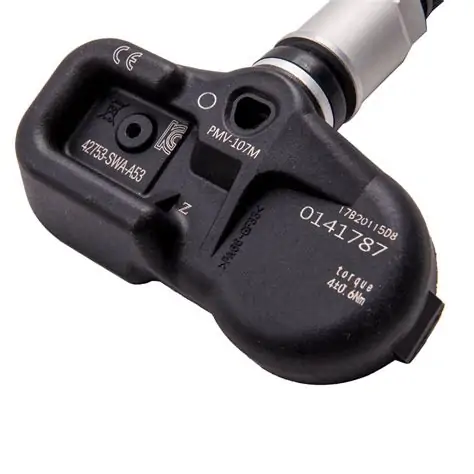
Discover the role, benefits, and functioning of TPMS sensors, especially their importance for Honda Accord vehicles. Learn how they enhance safety and performance.In today’s automotive landscape, safety and efficiency are paramount, and one crucial component contributing to both is the Tire Pressure Monitoring System (TPMS) sensor. Specifically tailored for models like the Honda Accord, these sensors play a vital role in ensuring optimal tire performance and longevity. This blog post delves into the essentials of TPMS sensors—explaining what they are, their purpose, and how they function. We’ll also explore the numerous benefits they provide to your vehicle, particularly focusing on why they are indispensable for the Honda Accord. Whether you’re a seasoned driver or a new Honda owner, understanding TPMS sensors can enhance your driving experience and safety on the road. Let’s dive in and uncover the significance of this often-overlooked technological marvel!
What is a TPMS sensor?
A Tire Pressure Monitoring System (TPMS) sensor is a crucial component in modern vehicles, designed to monitor the air pressure within the tires. This innovative technology plays a vital role in ensuring optimal tire performance and safety. Typically found in most cars, including models like the Honda Accord, these sensors provide real-time data to the driver, alerting them to any issues that may arise.
There are primarily two types of TPMS sensors:
- Direct TPMS: This type uses sensors mounted on each tire to measure the tire pressure directly. The information is sent to the vehicle’s onboard computer, providing accurate and immediate readings.
- Indirect TPMS: This system does not use sensors but rather estimates tire pressure based on the rotation speed of the wheels. If a tire is underinflated, it will rotate faster than properly inflated tires, triggering a warning light.
Regardless of the type, the primary function of a TPMS sensor is to alert the driver when tire pressure falls below the manufacturer-recommended level, which can enhance safety and efficiency.
In summary, a TPMS sensor is an essential safety feature in vehicles that directly contributes to better handling, improved fuel efficiency, and longer tire life by ensuring that tires maintain their optimal pressure at all times.
Purpose of TPMS sensors
The Tire Pressure Monitoring System (TPMS) sensors are critical components in modern vehicles, serving several essential purposes related to vehicle safety and performance. Here, we will explore the primary roles these sensors play in maintaining your vehicle, particularly for models like the Honda Accord.
- Safety Enhancement: One of the main purposes of TPMS sensors is to enhance road safety. By continuously monitoring tire pressure, these sensors alert drivers to any significant pressure drops that could lead to tire blowouts or loss of control.
- Fuel Efficiency: Proper tire pressure is crucial for optimal fuel efficiency. With the help of TPMS sensors, drivers can keep their tires inflated to the correct levels, aiding in better fuel consumption and reducing the frequency of refueling.
- Extended Tire Life: TPMS sensors play a role in extending the lifespan of tires. By preventing under-inflation and over-inflation, they help reduce uneven tire wear, which can lead to premature tire replacement.
- Convenience for Drivers: For vehicle owners, particularly those of the Honda Accord, TPMS sensors provide a level of convenience and peace of mind. Drivers receive visual or audible alerts on the dashboard, indicating when tire pressure needs attention, which minimizes the need for manual pressure checks.
The integration of TPMS sensors in vehicles significantly contributes to overall driving experience and vehicle management. In today’s fast-paced world, ensuring the safety and efficiency of your vehicle, including your Honda Accord, is more important than ever.
Benefits of TPMS sensors
Tire Pressure Monitoring Systems, commonly known as TPMS sensors, play a crucial role in enhancing vehicle safety and performance. Understanding the benefits of these sensors can help you appreciate their importance in your Honda Accord or any other vehicle.
- Enhanced Safety: One of the primary benefits of TPMS sensors is the significant enhancement in vehicle safety. By continuously monitoring tire pressure, they alert drivers to any deviations from optimal settings, reducing the risk of blowouts and accidents.
- Increased Fuel Efficiency: Maintaining proper tire pressure is vital for fuel efficiency. TPMS sensors ensure that your tires are inflated according to the manufacturer’s specifications, which can lead to better gas mileage.
- Extended Tire Life: Consistently monitoring tire pressure can help extend the lifespan of your tires. TPMS sensors help prevent uneven wear caused by underinflation or overinflation, saving you money in the long run.
- Convenience: With TPMS sensors, you no longer have to manually check your tire pressure. These sensors provide real-time data, allowing for easy maintenance and peace of mind during your drives.
- Environmental Impact: Proper tire inflation not only benefits your vehicle but also the environment. By improving fuel efficiency, TPMS sensors contribute to reduced emissions, helping to create a cleaner atmosphere.
In summary, the benefits of TPMS sensors are abundant. They enhance safety, increase fuel efficiency, extend tire life, provide convenience, and have a positive environmental impact. Therefore, integrating TPMS sensors into your Honda Accord can lead to a significantly improved driving experience.
How TPMS sensors work
The Tire Pressure Monitoring System (TPMS) is an essential component in modern vehicles, including the Honda Accord. This system plays a critical role in ensuring safe driving by significantly enhancing tire safety and performance.
Types of TPMS
There are two main types of TPMS:
- Direct TPMS: This system uses sensors located inside each tire to measure the tire pressure directly. These sensors send real-time data to the vehicle’s onboard computer, which then displays the information to the driver, usually on the dashboard.
- Indirect TPMS: Instead of using dedicated pressure sensors, this system relies on the vehicle’s anti-lock braking system (ABS) to measure tire pressure through wheel speed. If a tire is under-inflated, it will rotate at a different speed than the others, and the system will alert the driver.
How Direct TPMS Works
The operation of a Direct TPMS involves several key components:
- Pressure Sensors: These tiny devices are mounted inside each tire on the valve stem. They capture the tire’s pressure and temperature and transmit this data wirelessly to the vehicle’s central computer.
- Receiver: The information sent from the pressure sensors is received by a dedicated receiver in the vehicle. This receiver processes the data to monitor the tire conditions continually.
- Dashboard Warning Light: If the pressure in any tire falls below a preset threshold, the TPMS activates a warning light on the dashboard, alerting the driver to check the tire pressure.
How Indirect TPMS Works
The functionality of an Indirect TPMS is slightly different:
- The system relies on the vehicle’s wheel speed sensors to detect differences in rotation speed between tires.
- If one tire is under-inflated, it will rotate faster than a properly inflated tire, prompting the system to signal that attention is needed.
Conclusion
Regardless of the type, TPMS sensors, especially in vehicles like the Honda Accord, enhance safety by ensuring that tire pressure is continually monitored. This not only aids in prolonging tire life but also plays a vital part in maintaining optimal vehicle performance, leading to safer driving conditions.
Importance of TPMS sensor for Honda Accord
A Tire Pressure Monitoring System (TPMS) sensor plays a crucial role in ensuring the safety, efficiency, and longevity of your Honda Accord. This integrated system monitors the air pressure in your vehicle’s tires and alerts you when the pressure falls below a certain threshold. Understanding the importance of the TPMS sensor is essential for every Honda Accord owner, as it directly impacts your driving experience.
1. Safety First
The primary function of the TPMS sensor is to enhance safety on the road. Under-inflated tires can lead to:
- Reduced traction, which affects control and stability.
- Longer stopping distances, increasing the risk of accidents.
- Tire blowouts, which can cause loss of control.
By providing real-time alerts about tire pressure, the TPMS sensor helps drivers maintain optimal tire conditions, thus promoting safety.
2. Improved Fuel Efficiency
Properly inflated tires contribute to better fuel economy. When tire pressure is low, the engine has to work harder, leading to increased fuel consumption. According to the U.S. Department of Energy, keeping tires properly inflated can improve your fuel efficiency by up to 3.3%. The TPMS sensor ensures your tires remain at their ideal pressure, ultimately saving you money at the pump.
3. Enhanced Tire Longevity
Maintaining the correct tire pressure prolongs the lifespan of your tires. Under-inflation leads to uneven tire wear, necessitating premature replacements. With the TPMS sensor, you receive timely warnings about low tire pressure, allowing you to take corrective actions before any significant damage occurs. This not only saves money but also contributes to sustainable vehicle ownership.
4. Comfort in Driving
Driving with properly inflated tires ensures better ride quality and comfort. The TPMS sensor aids in preventing issues such as excessive vibrations and noise, making your journey in the Honda Accord more pleasant. An optimal tire condition enhances overall driving dynamics, leading to a more enjoyable experience.
5. Compliance with Regulations
In many regions, vehicles are required to have a functioning TPMS to comply with safety regulations. Having a TPMS sensor in your Honda Accord ensures that you are adhering to these rules, reducing the risk of fines and ensuring peace of mind when on the road.
In summary, the importance of the TPMS sensor for Honda Accord owners cannot be overstated. From enhancing safety and improving fuel efficiency to prolonging tire lifespan and ensuring comfort, the benefits of having a functional TPMS sensor are multifaceted. As a responsible driver, you should regularly check the status of your TPMS to ensure your vehicle’s optimal performance.
Frequently Asked Questions
What is a TPMS sensor?
A Tire Pressure Monitoring System (TPMS) sensor is a device that monitors the air pressure within tires and alerts the driver if the pressure falls below a certain threshold.
How does the TPMS sensor in a Honda Accord work?
In a Honda Accord, the TPMS sensor uses either a direct or indirect method to monitor tire pressure. Direct TPMS uses sensors inside each tire to measure pressure, while indirect TPMS estimates pressure based on wheel speed and known tire characteristics.
What are the symptoms of a failing TPMS sensor in a Honda Accord?
Symptoms of a failing TPMS sensor may include a constant warning light on the dashboard, inaccurate tire pressure readings, or the inability to reset the TPMS system after a tire change or rotation.
Can I drive my Honda Accord with a TPMS malfunction?
While it’s possible to drive with a TPMS malfunction, it is not recommended. Driving without proper tire pressure can lead to poor handling, decreased fuel efficiency, and increased tire wear.
How do I reset the TPMS light on my Honda Accord?
To reset the TPMS light on a Honda Accord, you typically need to turn on the ignition without starting the engine, then press and hold the TPMS reset button until the light blinks three times, after which it should turn off.
How often should I replace the TPMS sensors on my Honda Accord?
TPMS sensors can last anywhere from 5 to 10 years, but it’s a good idea to check them during regular tire rotations or when replacing tires. If you notice any issues, it’s best to replace them sooner.
What should I do if my TPMS sensor is damaged?
If your TPMS sensor is damaged, you should have it inspected and replaced by a professional mechanic to ensure your tire pressure is monitored accurately and to maintain safe driving conditions.