
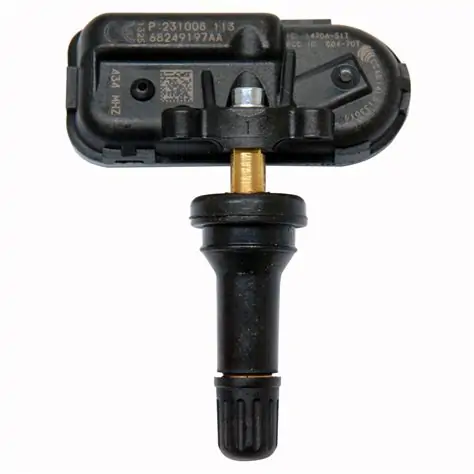
Discover essential insights on TPMS sensors, their importance, signs of issues, replacement tips, and benefits of upgrading for safer driving experiences.The Ram 1500 is a powerhouse on the road, but like any vehicle, it relies on a complex network of sensors to ensure optimal performance and safety. One crucial component in this network is the Tire Pressure Monitoring System (TPMS) sensor. Designed to keep you informed about your tire pressure, the TPMS sensor plays a vital role in maintaining not just your vehicle’s efficiency but also your safety on the road. In this blog post, we’ll dive into what a TPMS sensor is, the signs that indicate it may be malfunctioning, its importance, the process of replacing it, and the benefits of upgrading to a more advanced TPMS sensor. Whether you’re a seasoned Ram 1500 owner or a newcomer, understanding this sensor will empower you to keep your ride running smoothly and safely.
What is a TPMS Sensor?
A Tire Pressure Monitoring System (TPMS) sensor is an invaluable component in modern vehicles, including the Ram 1500. This small but powerful device is dedicated to monitoring the air pressure inside your tires. By providing real-time data, the TPMS sensor ensures that your tires are properly inflated, contributing to both safety and fuel efficiency.
The primary function of a TPMS sensor is to alert the driver when tire pressure falls critically below the recommended level. This is crucial because under-inflated or over-inflated tires can lead to various issues, including:
- Increased tire wear
- Reduced fuel efficiency
- Decreased handling and braking performance
- Increased risk of tire blowouts
Typically, there are two types of TPMS sensors:
| Type | Description |
|---|---|
| Direct TPMS | Measures the actual tire pressure using pressure sensors mounted inside the tire, providing accurate readings for each tire. |
| Indirect TPMS | Uses the vehicle’s ABS sensors to estimate tire pressure based on the rotation of the tires, without measuring the air pressure directly. |
In summary, the TPMS sensor in your Ram 1500 plays a critical role in maintaining tire health, enhancing safety, and improving vehicle performance. Understanding its function can help you appreciate its significance in your driving experience.
Signs of TPMS Sensor Issues
The Tire Pressure Monitoring System (TPMS) sensor plays a crucial role in your vehicle’s safety by monitoring tire pressure and alerting the driver to any issues. However, like any component, TPMS sensors can experience problems. Here are some common signs of TPMS sensor issues to watch for:
- Dashboard Warning Light: The most obvious sign is the illumination of the TPMS warning light on the dashboard. If this light stays on, it’s an indication that there may be a problem with one or more of your tire sensors.
- Inconsistent Tire Pressure Readings: If the readings from the TPMS seem inconsistent or incorrect, your sensors might be malfunctioning. Regularly check tire pressure manually to confirm.
- Frequent Deactivation: If the TPMS warning light frequently turns off and on without an apparent reason, it could be a sign of a failing sensor.
- One or More Tires Not Reporting: If the TPMS system fails to report the pressure of one or more tires, it’s possible that those specific sensors are defective.
- Low Battery Warning: Some TPMS sensors run on batteries that can deplete over time. If you receive a low battery warning, it may be time to replace the sensor.
It’s essential to address these signs promptly to maintain optimal vehicle safety. Ignoring potential TPMS sensor issues can lead to poor tire performance and increased risk of accidents.
Importance of TPMS Sensor
The Tire Pressure Monitoring System (TPMS) sensor plays a crucial role in maintaining the safety and efficiency of your vehicle, particularly for models like the Ram 1500. Understanding the importance of this sensor can significantly enhance your driving experience and prolong the life of your tires. Here are some key points to consider:
- Enhanced Safety: TPMS sensors alert drivers when tire pressure is too low, reducing the risk of blowouts and improving handling.
- Fuel Efficiency: Properly inflated tires contribute to better fuel efficiency. A TPMS can help in maintaining optimal tire pressure, saving you money at the pump.
- Tire Longevity: Keeping tires at the correct pressure extends their lifespan. A TPMS helps to prevent uneven wear, ensuring your tires last longer and perform better.
- Regulatory Compliance: Many regions have regulations requiring TPMS in vehicles. Ensuring your Ram 1500 has a functioning TPMS sensor keeps you compliant with local laws.
- Real-Time Monitoring: Advances in technology allow TPMS sensors to provide real-time pressure readings, allowing drivers to make quick adjustments as needed.
Not only does the TPMS sensor contribute to the safety and maintenance of your vehicle, but it also plays a significant role in promoting environmental sustainability by improving fuel efficiency and reducing waste from premature tire replacements.
Investing in a good functioning TPMS system is investing in your safety and the performance of your vehicle.
In summary, the importance of the TPMS sensor in your Ram 1500 cannot be overstated. It is an essential component for safe and economical driving.
How to Replace TPMS Sensor
When it comes to maintaining your Ram 1500, replacing a faulty TPMS sensor is an essential task to ensure the safety and performance of your vehicle. Below is a step-by-step guide on how to replace a TPMS sensor effectively.
Tools and Materials Needed
- New TPMS Sensor
- TPMS Tool (for programming)
- Tire Pressure Gauge
- Jack and Jack Stands
- Lug Wrench
- Valve Stem Tool
Step-by-Step Replacement Process
- Preparation: Park your Ram 1500 on a flat surface and engage the parking brake. Gather all necessary tools and materials.
- Remove the Tire: Using the lug wrench, loosen the lug nuts and then lift the vehicle with a jack. Remove the lug nuts completely and take off the tire.
- Accessing the TPMS Sensor: Locate the TPMS sensor which is typically attached to the valve stem. Depending on the model, you may need to remove the tire bead to reach the sensor.
- Remove the Old Sensor: Using a valve stem tool, unscrew the old TPMS sensor from the valve stem and carefully take it out. Make sure to handle it gently to avoid damage to other components.
- Install the New Sensor: Place the new TPMS sensor in the correct position and securely attach it to the valve stem. Ensure that it is tightened correctly but avoid overtightening.
- Reinstall the Tire: Replace the tire onto the wheel hub. Hand tighten the lug nuts and then lower the vehicle back to the ground. Use the lug wrench to tighten the lug nuts securely in a criss-cross pattern.
- Program the New Sensor: Use a TPMS tool to program the new sensor to the vehicle’s system. Follow the instructions of your TPMS tool for successful programming.
- Check Tire Pressure: Finally, use a tire pressure gauge to ensure that the tire is inflated to the recommended pressure. Adjust if necessary.
Important Tips
Always consult your vehicle’s manual for specific instructions related to your Ram 1500. If you’re unsure or uncomfortable performing this replacement, it’s best to leave it to a professional mechanic.
Replacing the TPMS sensor may seem daunting, but with the right tools and guidance, you can enhance the safety and performance of your Ram 1500.
Benefits of Upgrading TPMS Sensor
Upgrading the Tire Pressure Monitoring System (TPMS) sensor in your Ram 1500 can yield several advantages that enhance vehicle safety, performance, and efficiency. Here are some of the key benefits to consider:
- Improved Accuracy: Newer TPMS sensors offer enhanced precision in monitoring tire pressure. This ensures you get accurate readings, helping to maintain optimal tire health.
- Enhanced Safety: Upgrading your TPMS sensor significantly reduces the risk of tire blowouts by providing timely alerts when tire pressure drops below the recommended level.
- Extended Tire Life: Properly inflated tires can extend their lifespan. With an upgraded sensor, maintaining the right pressure becomes easier, which ultimately saves you money on tire replacements.
- Fuel Efficiency: Tires that are properly inflated improve vehicle fuel efficiency. An upgraded TPMS sensor ensures that you’re alerted to any issues before they affect your gas mileage.
- Compatibility with New Technology: As vehicle technology evolves, so does TPMS functionality. New sensors often come equipped with advanced features that older models may lack, such as better wireless communication with your vehicle’s onboard computer.
- Better Integration: An upgraded TPMS sensor can seamlessly integrate with the existing systems of your Ram 1500, ensuring that all components work harmoniously for optimal performance.
In summary, upgrading your TPMS sensor offers numerous benefits that contribute not only to the safety and performance of your Ram 1500 but also to overall cost savings in the long run. Consider making this important upgrade for a better driving experience.
Frequently Asked Questions
What is a TPMS sensor in the Ram 1500?
The TPMS (Tire Pressure Monitoring System) sensor in the Ram 1500 monitors the air pressure in the tires and alerts the driver if the pressure falls below a safe level.
How do I know if my Ram 1500 TPMS sensor is malfunctioning?
Signs of a malfunctioning TPMS sensor include a warning light on the dashboard, inaccurate tire pressure readings, or inconsistent alerts about tire pressure.
Can I reset the TPMS sensor on a Ram 1500 myself?
Yes, you can reset the TPMS sensor on a Ram 1500 by following the specific reset procedure found in the owner’s manual, which typically involves turning the ignition on and off while following prompt steps.
What should I do if my Ram 1500 TPMS light stays on?
If the TPMS light stays on, check the tire pressures and inflate them to the recommended levels. If the light remains on after correcting the pressure, consult a mechanic to check the sensors.
How often should I check the TPMS sensors in my Ram 1500?
It’s recommended to check the TPMS sensors and tire pressure at least once a month and before long road trips to ensure optimal performance and safety.
What is the cost of replacing a TPMS sensor in a Ram 1500?
The cost of replacing a TPMS sensor in a Ram 1500 typically ranges from $50 to $150 per sensor, not including installation fees, which can vary based on the service provider.
Can winter tires affect the TPMS sensor on my Ram 1500?
Yes, winter tires can affect the TPMS sensor, particularly if the new tires do not come with sensors installed or if the existing sensors are not compatible or properly calibrated for the new tires.