
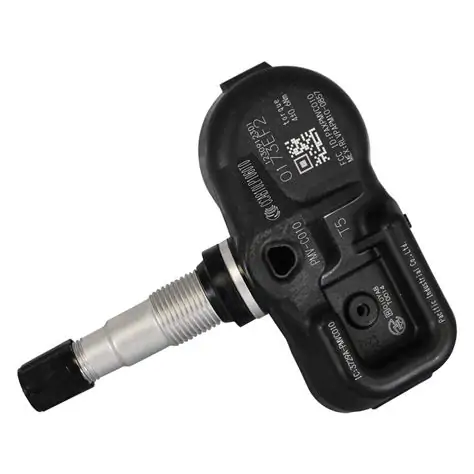
Discover the importance of TPMS sensors, how to identify faults, replacement steps, and cost details for maintaining tire safety.When it comes to maintaining the safety and performance of your 2007 Toyota Camry, understanding the Tire Pressure Monitoring System (TPMS) is essential. The TPMS sensor plays a crucial role in alerting you to changes in tire pressure, helping to prevent potentially dangerous situations on the road. This blog post delves into the specifics of TPMS sensors—starting with what they are and their significance in vehicle safety. You’ll learn to recognize the signs of a faulty sensor, the steps involved in replacing it, and the associated costs. Whether you’re a seasoned car enthusiast or a first-time Toyota owner, understanding your Camry’s TPMS will not only enhance your driving experience but also ensure your tires are always in optimal condition. Let’s explore everything you need to know about TPMS sensors in your 2007 Toyota Camry.
What is a TPMS sensor?
A TPMS sensor, or Tire Pressure Monitoring System sensor, is a vital component in modern vehicles, including the 2007 Toyota Camry. Its primary function is to monitor the air pressure within each tire and ensure that they are inflated to the manufacturer’s recommended levels.
These sensors can detect when the tire pressure is too low, which can lead to increased tire wear, reduced fuel efficiency, and potential safety hazards due to blowouts. The TPMS system alerts the driver through a warning light on the dashboard when tire pressure falls below a specified threshold.
There are two main types of TPMS sensors:
- Direct TPMS: These sensors are mounted inside the tire and measure the actual tire pressure. They transmit this information to the vehicle’s onboard computer.
- Indirect TPMS: Instead of measuring tire pressure directly, these systems use the vehicle’s ABS system to monitor tire rotation speeds. A significant difference in tire rotation speed may indicate low pressure.
In the 2007 Toyota Camry, the majority of TPMS systems utilized are of the direct type, providing accurate readings and alerts for tire conditions. Proper functioning of these sensors is essential for maintaining optimum vehicle performance, safety, and fuel efficiency.
Importance of TPMS sensors
The Tire Pressure Monitoring System (TPMS) is a critical component in modern vehicles, including the 2007 Toyota Camry. Understanding the importance of TPMS sensors can help ensure your vehicle operates safely and efficiently.
- Safety: Proper tire pressure is essential for vehicle stability and handling. TPMS sensors alert drivers when tire pressure is too low, reducing the risk of tire blowouts and accidents.
- Fuel Efficiency: Maintaining the correct tire pressure can improve your vehicle’s fuel efficiency. Under-inflated tires can increase rolling resistance, leading to higher fuel consumption.
- Tire Longevity: Consistent tire pressure helps extend tire life. TPMS sensors play a vital role in ensuring that tires wear evenly and last longer, saving you money in the long run.
- Environmental Impact: By ensuring optimal tire pressure through the use of TPMS, you can reduce your carbon footprint. Efficient fuel use means fewer emissions, contributing to a cleaner environment.
In summary, the significance of TPMS sensors lies not only in enhancing road safety but also in promoting fuel efficiency, extending tire lifespan, and benefiting the environment. For the 2007 Toyota Camry and other vehicles, ensuring that the TPMS system is functioning correctly is essential for an optimal driving experience.
Signs of a faulty TPMS sensor
The Tire Pressure Monitoring System (TPMS) is a crucial component for maintaining vehicle safety, especially in your 2007 Toyota Camry. A malfunctioning TPMS sensor can lead to various issues, impacting performance and safety. Here are some common signs of a faulty TPMS sensor:
- Warning Light Activation: The most noticeable sign is the illumination of the TPMS warning light on your dashboard. This could indicate low tire pressure or a malfunctioning sensor.
- Inconsistent Tire Pressure Readings: If your TPMS is showing inconsistent or erroneous tire pressure readings, it can signify a problem with the sensors.
- Frequent Flat Tires: A faulty TPMS may fail to alert you about low tire pressure, potentially leading to frequent flat tires.
- Early Warning Signals: If the system provides early warnings that your tire pressure is low when it is not, this indicates a malfunction.
- Intermittent Warning Light: If the warning light turns on and off unexpectedly, it may point to a failing TPMS sensor.
Here is a summary of the main signs:
| Sign | Description |
|---|---|
| Warning Light Activation | Illumination of the TPMS warning light indicates potential issues. |
| Inconsistent Readings | Erroneous pressure readings signal sensor malfunctions. |
| Frequent Flat Tires | Inability to alert you of low pressure can lead to flats. |
| Early Warning Signals | False low-pressure alerts indicate sensor issues. |
| Intermittent Light | Fluctuating warning lights point to sensor failure. |
Being aware of these signs can help you maintain your TPMS efficiently, ensuring your 2007 Toyota Camry remains safe and reliable on the road.
How to replace TPMS sensors
Replacing TPMS (Tire Pressure Monitoring System) sensors can be a straightforward process if you have the right tools and follow the correct procedures. Below are detailed steps to guide you through the replacement of TPMS sensors for your 2007 Toyota Camry.
Tools Required:
- TPMS sensor tool
- Tire pressure gauge
- Jack and jack stands
- Socket set
- Wrench set
Steps to Replace TPMS Sensors:
- Ensure Safety: Begin by parking the vehicle on a flat surface, engaging the parking brake, and turning off the ignition.
- Remove the Tires: Use a jack to lift the vehicle and place it securely on jack stands. Then, remove the lug nuts with a socket wrench to take off the tires.
- Locate the TPMS Sensor: The TPMS sensor is typically mounted on the valve stem of the tire. Inspect the valve stem to locate the sensor.
- Detach the Old Sensor: Remove the valve cap and use a TPMS sensor tool to rotate the sensor counterclockwise. Detach it from the valve stem gently.
- Install the New Sensor: Take your new TPMS sensor and align it with the valve stem. Rotate it clockwise until it’s secure.
- Reassemble the Tire: Put the tire back on the wheel hub, and hand-tighten the lug nuts first before using a wrench to tighten them fully in a crisscross pattern for even pressure.
- Inflate the Tire: Make sure to inflate the tire to the manufacturer’s recommended pressure level, which can usually be found in the owner’s manual or on a sticker inside the driver’s door.
- Reset the TPMS Light: Turn on the ignition without starting the engine, and press the TPMS reset button, usually located under the steering column. After a few seconds, the light should blink and turn off.
- Check the System: After a short drive, confirm that the TPMS warning light has turned off and that the tires are holding their pressure.
Final Tips:
Always refer to the vehicle’s owner manual for specific instructions regarding the TPMS sensor replacement.
By following these steps, you can successfully replace the TPMS sensors in your 2007 Toyota Camry and ensure optimal tire performance.
Cost of TPMS sensor replacement
When it comes to maintaining your 2007 Toyota Camry, one vital component that you should keep an eye on is the Tire Pressure Monitoring System (TPMS) sensor. Understanding the cost of replacing TPMS sensors can help you budget for this essential maintenance step. Here’s a breakdown of what you should expect.
Average Costs
The cost of TPMS sensor replacement can vary based on several factors. Here’s a general overview of what you might encounter:
| Type of Cost | Range (USD) |
|---|---|
| Sensor Price | $30 – $100 |
| Labor Charges | $50 – $100 |
| Total Estimated Cost | $80 – $200 |
Factors Affecting Cost
- Type of Vehicle: Different vehicles may require different types of sensors, impacting the price.
- OEM vs. Aftermarket: Original Equipment Manufacturer (OEM) sensors tend to be more expensive than aftermarket options.
- Location: Labor costs can vary based on your geographical location and the mechanic’s shop rate.
- Quantity: If multiple sensors need replacement, you may find discounts for bulk purchases.
Additional Costs to Consider
When planning for the replacement of a TPMS sensor, keep in mind that there might be additional costs, such as:
- Reprogramming: New sensors may need to be programmed to your vehicle, which can incur extra charges.
- Tire Removal and Reinstallation: Depending on the sensor’s location, removing and reinstalling tires can add to the overall cost.
Tips for Reducing Replacement Costs
Here are some tips to help you save money on your TPMS sensor replacement:
- Consider replacing all sensors at once to avoid future costs and ensure uniform performance.
- Shop around for the best prices on both parts and labor.
- Consult your owner’s manual or a trusted mechanic to ensure you select the appropriate sensors for your 2007 Toyota Camry.
In summary, being informed about the cost of TPMS sensor replacement can help you plan and maintain your vehicle effectively, ensuring safety and optimal performance on the road.
Frequently Asked Questions
What is a TPMS sensor in a 2007 Toyota Camry?
The TPMS (Tire Pressure Monitoring System) sensor in a 2007 Toyota Camry is designed to monitor the air pressure in the tires and alert the driver if the pressure falls below a certain threshold.
How many TPMS sensors does a 2007 Toyota Camry have?
A 2007 Toyota Camry typically has one TPMS sensor in each tire, making a total of four sensors.
How do I know if my TPMS sensor is malfunctioning?
If the TPMS warning light on your dashboard remains illuminated, blinks, or turns on intermittently, it may indicate a malfunction in the TPMS sensor.
Can I drive my 2007 Toyota Camry with a faulty TPMS sensor?
While you can technically drive with a faulty TPMS sensor, it is unsafe as you may not receive timely warnings about low tire pressure, which could lead to tire failure.
How do I reset the TPMS light on my 2007 Toyota Camry?
To reset the TPMS light, locate the reset button under the steering wheel, press and hold it until the TPMS light flashes three times, then release it. Drive the vehicle for a few minutes for the light to turn off.
What should I do if the TPMS warning light stays on after a reset?
If the TPMS warning light remains on after resetting, have your tires checked for proper pressure and inspect or replace the TPMS sensors as needed.
Where can I purchase a replacement TPMS sensor for a 2007 Toyota Camry?
Replacement TPMS sensors for a 2007 Toyota Camry can be purchased at automotive parts stores, online retailers, or through a Toyota dealership.