
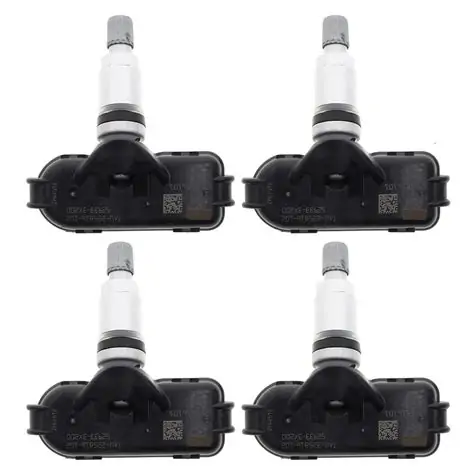
Discover what TPMS sensors are, their importance, common issues, and replacement tips, plus find the best TPMS sensors for your Hyundai Elantra.If you’re a Hyundai Elantra owner, understanding the role of the Tire Pressure Monitoring System (TPMS) sensor is essential for both safety and performance. This invaluable component continually monitors your tire pressure, alerting you to any inconsistencies that could lead to performance issues or safety hazards. In this blog post, we will explore the importance of TPMS sensors, delve into common problems that may arise, and provide guidance on how to replace them effectively. Additionally, we’ll highlight some of the best TPMS sensors specifically designed for the Hyundai Elantra. Whether you’re troubleshooting an issue or looking to upgrade, this guide will equip you with the knowledge you need to keep your vehicle running smoothly and safely.
What is a TPMS sensor?
A Tire Pressure Monitoring System (TPMS) sensor is a safety feature designed to monitor the air pressure within your vehicle’s tires. It serves a critical role in ensuring both your safety and the efficiency of your vehicle. By providing real-time data on tire pressure, the TPMS sensor helps prevent tire blowouts, improves fuel efficiency, and enhances overall vehicle performance.
Each TPMS sensor is typically mounted inside the tire, attached to the valve stem, and communicates wirelessly with the vehicle’s onboard computer system. When tire pressure falls below a certain threshold, the TPMS alerts the driver through a warning light on the dashboard.
Types of TPMS Sensors
- Direct TPMS: Utilizes individual sensors in each tire to measure tire pressure precisely and directly.
- Indirect TPMS: Uses the vehicle’s speed sensors to estimate tire pressure based on how fast the tires are rotating, detecting under-inflation indirectly.
Understanding the fundamentals of TPMS sensors is essential for any vehicle owner, especially those with vehicles like the Hyundai Elantra, which are equipped with such technology. Ensuring that these sensors are functioning properly can greatly enhance safety on the road.
Importance of TPMS sensors
The Tire Pressure Monitoring System (TPMS) is an essential component in modern vehicles, including the Hyundai Elantra. Understanding the importance of TPMS sensors can enhance your driving experience and ensure safety on the road. In this section, we will explore the critical roles these sensors play.
- Safety: TPMS sensors monitor tire pressure in real-time, alerting drivers when tire pressure falls below recommended levels. This warning system helps prevent blowouts and loss of vehicle control, significantly increasing safety for the driver and passengers.
- Fuel Efficiency: Properly inflated tires contribute to better fuel efficiency. A drop in tire pressure can lead to increased rolling resistance, causing your vehicle to consume more fuel. By maintaining the correct tire pressure through TPMS alerts, you can improve your vehicle’s fuel economy.
- Tire Longevity: Keeping tires inflated to their ideal pressure extends their lifespan. TPMS sensors help ensure consistent tire pressure, reducing uneven wear and tear and one of the best practices for maintaining tires.
- Environmental Impact: Maintaining optimal tire pressure means better fuel efficiency, which reduces harmful emissions. Using TPMS can contribute to a more eco-friendly driving experience as fewer resources are consumed in fuel production.
- Legal Requirements: In many regions, vehicles are required by law to have functional TPMS. Ensuring that your Hyundai Elantra is equipped with functional sensors helps you comply with regulations and avoid potential fines.
In summary, the importance of TPMS sensors cannot be overstated. They are crucial for ensuring safety, enhancing fuel efficiency, prolonging tire life, and reducing environmental impact. Keeping your TPMS in good working condition is an integral part of regular vehicle maintenance.
Common TPMS sensor issues
The Tire Pressure Monitoring System (TPMS) is crucial for maintaining tire health and overall vehicle safety. However, like any technology, TPMS sensors can encounter various issues. Below are some common problems that owners of vehicles, including the Hyundai Elantra, may experience with their TPMS sensors:
| Issue | Description | Possible Solutions |
|---|---|---|
| Warning Light Activation | The TPMS warning light illuminates on the dashboard. |
|
| False Readings | The sensors provide inaccurate tire pressure readings. |
|
| Sensor Battery Failure | TPMS sensors rely on batteries which can end up dead. |
|
| Temperature Effects | Changes in temperature can affect pressure readings. |
|
Being aware of these common TPMS sensor issues can help you maintain your tires effectively and ensure a smoother driving experience. If you encounter any of these problems, addressing them promptly will not only help improve the vehicle’s performance but also contribute to your safety on the road.
How to replace TPMS sensors
Replacing the TPMS sensors in your Hyundai Elantra is essential for ensuring optimal tire pressure monitoring. Here’s a step-by-step guide to help you through the process.
What You’ll Need
- Replacement TPMS sensors
- Tire pressure gauge
- Tire changing tools (jack, lug wrench, etc.)
- OBD-II scanner (for programming)
- Torque wrench
Steps to Replace TPMS Sensors
- Prepare Your Vehicle: Park your Hyundai Elantra on a flat surface, engage the parking brake, and turn off the ignition.
- Jack Up the Car: Use a car jack to lift the vehicle, then secure it with jack stands for safety.
- Remove the Tires: Use a lug wrench to loosen and remove the lug nuts, taking off the tires to access the TPMS sensors.
- Identify the TPMS Sensor: The TPMS sensor is typically located on the inner side of the tire rim, attached to the valve stem.
- Detach the Old Sensor: Carefully unscrew the old sensor from the valve stem and remove it. Take care not to damage the valve stem during this process.
- Install the New Sensor: Attach the new TPMS sensor to the valve stem and tighten it to the manufacturer’s recommended torque specifications to avoid leaks.
- Reinstall the Tires: Place the tire back on the wheel hub, and hand-tighten the lug nuts before lowering the vehicle. Once on the ground, use a torque wrench to apply the correct torque to the lug nuts.
- Programming the TPMS Sensors: If your Hyundai Elantra requires it, use an OBD-II scanner to program the new sensors. Follow the device instructions carefully to ensure proper programming.
- Check Tire Pressure: After installation, check the tire pressure using your gauge and inflate as necessary to ensure all tires have the proper pressure.
- Test Drive: Finally, take your vehicle for a test drive to ensure that the TPMS system recognizes the new sensors and functions correctly.
Tips for Success
Always double-check compatibility of the replacement TPMS sensors before purchasing, as not all sensors work with all vehicles.
By following these steps, you can replace the TPMS sensors in your Hyundai Elantra efficiently and safely.
Best TPMS sensors for Hyundai Elantra
The Tire Pressure Monitoring System (TPMS) is crucial for the safety and performance of your vehicle, especially for the Hyundai Elantra. A properly functioning TPMS helps maintain optimal tire pressure, ensuring even tire wear and improving fuel efficiency. Selecting the right TPMS sensors can make a significant difference. Here are some of the best options available for your Hyundai Elantra:
| TPMS Sensor | Compatibility | Price Range |
|---|---|---|
| Hyundai Genuine TPMS Sensor | Hyundai Elantra 2011-2022 | $50 – $100 |
| Schrader 33500 | Universal (some Hyundai models) | $30 – $60 |
| ACDelco 13510407 | Hyundai Elantra 2010-2021 | $25 – $55 |
| Denso 550-0121 | Various Hyundai models | $40 – $70 |
| VDO SE10006 | Hyundai Elantra 2015-2020 | $30 – $65 |
Key Features to Look For
- Compatibility: Ensure the sensor is compatible with your specific Hyundai Elantra model.
- Durability: Look for sensors designed to withstand various weather conditions.
- Easy Installation: Consider sensors that come with straightforward installation guidelines or seek professional installation options.
- Warranty: A good warranty can provide peace of mind regarding the product’s longevity.
Maintaining proper tire pressure is essential for your vehicle’s performance and safety. Investing in quality TPMS sensors can help ensure that. – Automotive Expert
Choosing the right TPMS sensor for your Hyundai Elantra requires careful consideration. Look for sensors that not only fit your model but also offer reliability and ease of use. The above-listed options are some of the best available in the market today, ensuring that your driving experience remains safe and enjoyable.
Frequently Asked Questions
What is a TPMS sensor?
A Tire Pressure Monitoring System (TPMS) sensor is a device that monitors the air pressure in the tires of a vehicle, alerting the driver when the pressure falls below a certain threshold.
How does the TPMS work in a Hyundai Elantra?
In a Hyundai Elantra, the TPMS uses pressure sensors located in each tire to send data to the vehicle’s onboard computer. If tire pressure is too low, a warning light appears on the dashboard.
How can I tell if my TPMS sensor is malfunctioning?
Signs of a malfunctioning TPMS sensor include the warning light on the dashboard staying illuminated, incorrect pressure readings, or a lack of alerts when tire pressure is low.
What should I do if my TPMS warning light comes on?
If the TPMS warning light comes on, first check the tire pressures using a gauge. Inflate the tires to the recommended pressure if needed. If the light remains on, consult a qualified mechanic.
Can I reset the TPMS on my Hyundai Elantra myself?
Yes, you can reset the TPMS yourself in a Hyundai Elantra by following specific steps in the owner’s manual, which usually involve turning the ignition on and pressing a reset button.
Are there any maintenance tips for TPMS sensors?
Regularly check tire pressure, ensure proper tire rotations, and have the TPMS sensors inspected during routine maintenance to ensure they are functioning correctly.
What are the possible costs associated with replacing a TPMS sensor?
The cost of replacing a TPMS sensor can vary widely, typically ranging from $50 to $200 per sensor, plus labor costs, depending on the mechanic and model year of the Hyundai Elantra.