
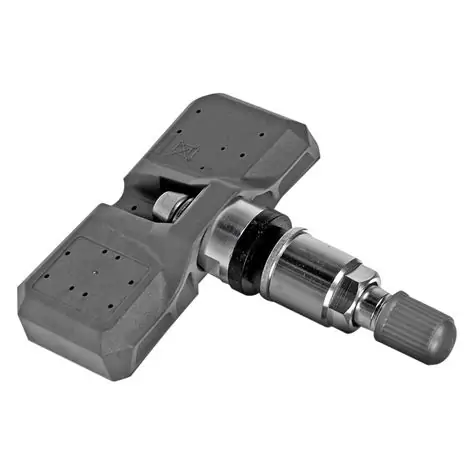
Learn about TPMS sensors in Honda Pilot, their importance, signs of malfunction, maintenance tips, and replacement procedures for optimal vehicle safety.When it comes to ensuring the safety and performance of your Honda Pilot, understanding the role of the Tire Pressure Monitoring System (TPMS) sensor is essential. This small yet crucial device monitors tire pressure, alerting drivers to any discrepancies that could compromise their vehicle’s efficiency and safety. In this blog post, we will delve into what a TPMS sensor is, explore its importance specifically for the Honda Pilot, and outline the signs that indicate a malfunctioning sensor. Additionally, we will provide valuable insights on how to maintain these sensors and the necessary steps for replacing them should the need arise. Join us as we navigate the intricacies of TPMS sensors to help you keep your Honda Pilot running smoothly and safely on the road.
What is a TPMS sensor?
A TPMS (Tire Pressure Monitoring System) sensor is a vital component in modern vehicles that helps monitor the air pressure in your tires. This system contributes significantly to automotive safety and efficiency. In essence, a TPMS sensor is designed to detect and transmit tire pressure information to the vehicle’s onboard computer system.
There are two types of TPMS sensors:
- Direct TPMS: These sensors are mounted directly on each tire and measure actual tire pressure. They transmit real-time data to the vehicle’s dashboard.
- Indirect TPMS: Instead of measuring tire pressure directly, these systems use the vehicle’s ABS (Anti-lock Braking System) sensors to monitor the rotational speed of the tires. A significant difference in rotation speed indicates a possible underinflation issue.
Key Functions of a TPMS Sensor:
- Alerts drivers when tire pressure is too low, enhancing safety.
- Improves fuel efficiency by ensuring tires are inflated properly.
- Extends tire life by preventing irregular tire wear.
- Reduces the risk of blowouts and accidents caused by underinflated tires.
Overall, the TPMS sensor plays a crucial role in the safe operation of vehicles like the Honda Pilot, ensuring that tires maintain optimal pressure for performance and safety.
Importance of TPMS in Honda Pilot
The Tire Pressure Monitoring System (TPMS) plays a critical role in the overall safety and efficiency of your Honda Pilot. Understanding its importance can save you from potential hazards and expenses. Below are some key reasons why the TPMS is essential for your vehicle:
- Safety First: Properly inflated tires improve handling and braking performance. The TPMS alerts you when tire pressure is too low, reducing the risk of blowouts and accidents.
- Increased Fuel Efficiency: Under-inflated tires cause increased rolling resistance, which can lead to higher fuel consumption. The TPMS helps maintain optimal tire pressure, leading to better gas mileage.
- Extended Tire Life: Keeping tires at the recommended pressure helps prevent uneven wear and tear. A functioning TPMS allows you to monitor tire health, which can extend the lifespan of your tires.
- Environmental Impact: Efficient tire usage not only saves you money but also reduces your carbon footprint. By ensuring your tires are at the proper pressure, you contribute to a greener environment.
In summary, the TPMS in your Honda Pilot is not just a small feature; it’s a vital component for safety, efficiency, and environmental responsibility. Regularly checking the functioning of your TPMS can help you enjoy these benefits to the fullest.
Signs of a malfunctioning TPMS sensor
The Tire Pressure Monitoring System (TPMS) is a critical component of vehicle safety, especially in modern vehicles like the Honda Pilot. When the TPMS sensors start to malfunction, it can lead to serious issues with tire safety and vehicle performance. Here are some common signs that your TPMS sensor might be failing:
- TPMS Warning Light: The most obvious sign is the illumination of the TPMS warning light on your dashboard. If this light is lit, it indicates that the system has detected an issue.
- Inconsistent Tire Pressure Readings: If you notice that the tire pressure readings on your dashboard display fluctuate erratically, it could mean that the TPMS sensors are malfunctioning.
- Frequent False Alerts: If the system repeatedly alerts you about low tire pressure when all tires are fine, that’s another sign of a faulty sensor.
- Delayed Pressure Readings: If your TPMS takes longer than usual to show tire pressure readings after starting the vehicle, it might indicate a problem.
- Physical Damage to Sensors: Inspect the tires and the sensor area for any visible cracks, corrosion, or physical damage, as this may lead to sensor failure.
Addressing any of these signs as soon as they appear is crucial for maintaining the integrity of your Honda Pilot and ensuring safe driving conditions. Regular checks and maintenance of the TPMS sensors can help you avoid the complications associated with tire pressure issues.
How to maintain TPMS sensors
Tire Pressure Monitoring System (TPMS) sensors are critical for ensuring the safety and efficiency of your Honda Pilot. Keeping these sensors in good shape is essential for accurate tire pressure readings and for promoting overall tire longevity. Here are some tips and best practices for maintaining TPMS sensors:
1. Regular Visual Inspections
- Check the tires frequently for any visible damage such as cuts, bulges, or punctures.
- Inspect the TPMS sensor valve stem for signs of wear or corrosion.
2. Monitor Tire Pressure Regularly
It’s advisable to check your tire pressure at least once a month. Use a reliable tire pressure gauge to ensure that the pressure is within the manufacturer’s recommended range. The Honda Pilot typically has a recommended pressure range of 32-35 psi.
3. Rotate Tires
Rotating your tires every 5,000 to 7,500 miles helps in promoting even wear, which is beneficial for both the tires and the TPMS sensors.
4. Replace Faulty Sensors
If you notice that your TPMS warning light is illuminated or if it regularly sends inaccurate tire pressure readings, it may be time to replace the TPMS sensors. Consult your mechanic or a tire professional for replacement solutions suitable for your Honda Pilot.
5. Avoid Physical Damage
- Avoid hitting curbs and potholes, as these actions can damage the TPMS sensor or the tires themselves.
- Be cautious during tire mounting and dismounting processes to prevent damaging the sensors.
6. Battery Maintenance
Some TPMS sensors are equipped with batteries that have a finite lifespan. Typically, these batteries last between 5 to 10 years. Check with your dealer for battery life expectancy and replace the sensor if needed.
7. Professional Evaluations
Schedule regular check-ups with a certified mechanic who can properly evaluate the condition of your TPMS sensors and perform necessary maintenance.
By following these maintenance tips, you will ensure that the TPMS sensors in your Honda Pilot not only function effectively but also contribute to overall vehicle safety and performance.
Replacing TPMS sensors in Honda Pilot
The TPMS (Tire Pressure Monitoring System) sensors play a critical role in ensuring the optimal performance and safety of your Honda Pilot. When these sensors become faulty or damaged, replacing them becomes essential. Here’s a detailed overview of the process involved in replacing TPMS sensors in your Honda Pilot.
Why Replace TPMS Sensors?
Over time, TPMS sensors can fail due to factors like battery depletion, physical damage, or exposure to extreme temperatures. Regularly checking and replacing these sensors not only keeps your vehicle’s tire pressure monitoring system accurate but also contributes to overall driving safety.
Steps to Replace TPMS Sensors in Honda Pilot
- Gather the Necessary Tools: Before starting, ensure you have the following tools at hand:
- Tire pressure gauge
- Jack and jack stands
- Tire removal tools
- New TPMS sensors
- TPMS reset tool (if necessary)
- Lift the Vehicle: Use a jack to securely lift the Honda Pilot and place it on jack stands. Always ensure safety first when working underneath a vehicle.
- Remove the Tires: Take off the tires to access the TPMS sensors. This typically involves loosening the lug nuts and using a tire removal tool.
- Locate the TPMS Sensors: Once the tire is off, the TPMS sensor is usually mounted on the inner side of the wheel near the valve stem.
- Remove the Old Sensor: Carefully unscrew and detach the old TPMS sensor from its housing.
- Install the New TPMS Sensor: Take your new TPMS sensor and securely fasten it in place. Make sure it aligns properly with the valve stem.
- Reattach the Tires: Put the tires back on the rims and tighten the lug nuts. Ensure they are secured to the manufacturer’s specifications.
- Reset the TPMS System: If your Honda Pilot requires a reset after sensor replacement, use a TPMS reset tool to synchronize the new sensors with the vehicle’s system.
- Lower the Vehicle: Safely remove the jack stands and lower the vehicle back to the ground.
- Check Tire Pressure: Finally, use a tire pressure gauge to check that all tires are inflated to the recommended levels.
Final Notes
Replacing TPMS sensors in your Honda Pilot can seem complex, but with proper tools and instructions, it can be managed effectively. Always refer to the vehicle’s manual for specific details regarding your model.
If you feel uncomfortable performing this replacement yourself, it’s advisable to seek the help of a professional mechanic.
Frequently Asked Questions
What is a TPMS sensor in the Honda Pilot?
A TPMS (Tire Pressure Monitoring System) sensor in the Honda Pilot monitors the air pressure in the vehicle’s tires and alerts the driver if the pressure drops below a specific threshold.
How does the TPMS work in the Honda Pilot?
The TPMS in the Honda Pilot uses sensors located in each tire to measure tire pressure. If a tire’s pressure falls below the recommended level, the system activates a warning light on the dashboard.
Why is it important to maintain the TPMS sensors?
Maintaining the TPMS sensors is crucial for vehicle safety. Proper tire pressure ensures better handling, prolongs tire lifespan, and improves fuel efficiency.
What are common signs of a failing TPMS sensor in a Honda Pilot?
Common signs of a failing TPMS sensor include the warning light staying illuminated, erratic tire pressure readings, or alerts about low pressure even when tires are properly inflated.
How can I reset the TPMS light on my Honda Pilot?
To reset the TPMS light on your Honda Pilot, ensure all tires are properly inflated, then turn the ignition to the ‘On’ position without starting the engine. Press and hold the TPMS button until the light blinks and turns off.
How much does it cost to replace a TPMS sensor in a Honda Pilot?
The cost to replace a TPMS sensor in a Honda Pilot typically ranges from $50 to $150 per sensor, depending on the make and model, plus labor costs if you take it to a mechanic.
Can I drive my Honda Pilot with a faulty TPMS sensor?
While you can technically drive with a faulty TPMS sensor, it is not recommended as it can lead to under-inflated tires, which increases the risk of tire blowouts and reduces vehicle handling and safety.